THE ADVENTURE COLLECTIVE® · Independent discovery and booking for outdoor travel

Catch the sunrise and move ahead of daytime crowds on a half-day speedboat circuit around the Phi Phi islands. Visit Maya Bay, Pileh Lagoon, Loh Samah Bay, Viking Cave and Monkey Beach with guided snorkeling and national park access.
Catch the sunrise and move ahead of daytime crowds on a half-day speedboat circuit around the Phi Phi islands. Visit Maya Bay, Pileh Lagoon, Loh Samah Bay, Viking Cave and Monkey Beach with guided snorkeling and national park access.
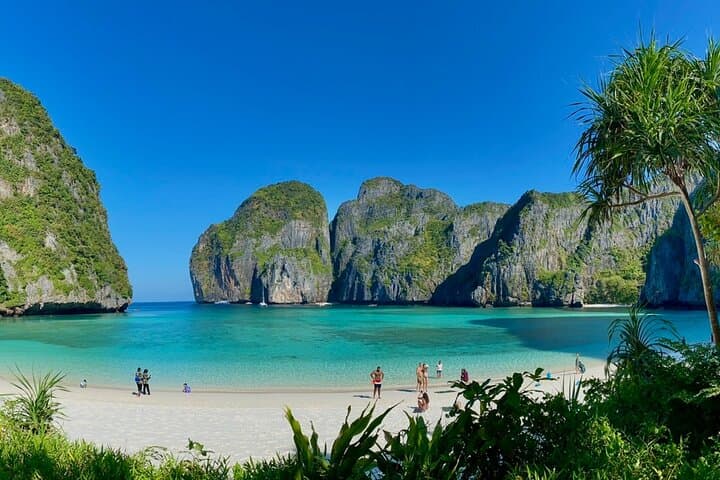
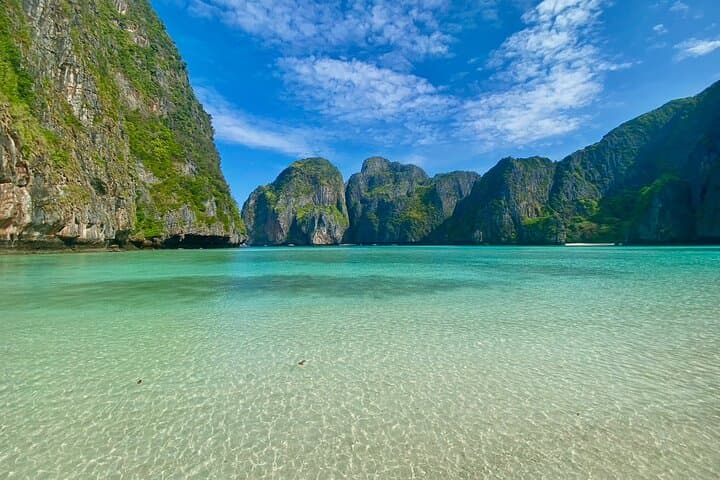
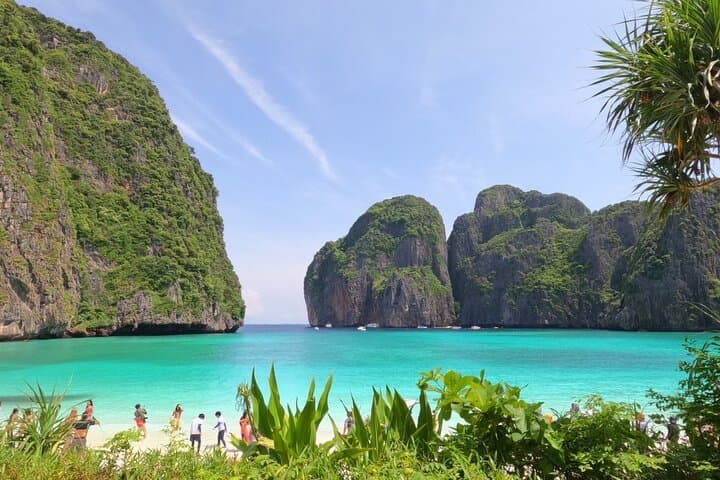
Before dawn the speedboat's bow cuts a black mirror of Andaman Sea, and the limestone cliffs of Phi Phi Leh peek like sentries against a rising saffron horizon. Travelers meet at Tonsai Pier at 6:00 a.m., scramble aboard, and thread between karst towers while the air still smells of salt and diesel. The tour presses first to Maya Bay, where soft sand and sheer cliffs create the cinematic frame made famous by film — early light and fewer boats make it easier to appreciate the geology and fragile ecosystems.
Verified experiences and guided adventures in the surrounding area.
Operated by Phi Phi Local Tour · Ko Phi Phi Don, Krabi Province
Before dawn the speedboat's bow cuts a black mirror of Andaman Sea, and the limestone cliffs of Phi Phi Leh peek like sentries against a rising saffron horizon. Travelers meet at Tonsai Pier at 6:00 a.m., scramble aboard, and thread between karst towers while the air still smells of salt and diesel. The tour presses first to Maya Bay, where soft sand and sheer cliffs create the cinematic frame made famous by film — early light and fewer boats make it easier to appreciate the geology and fragile ecosystems.
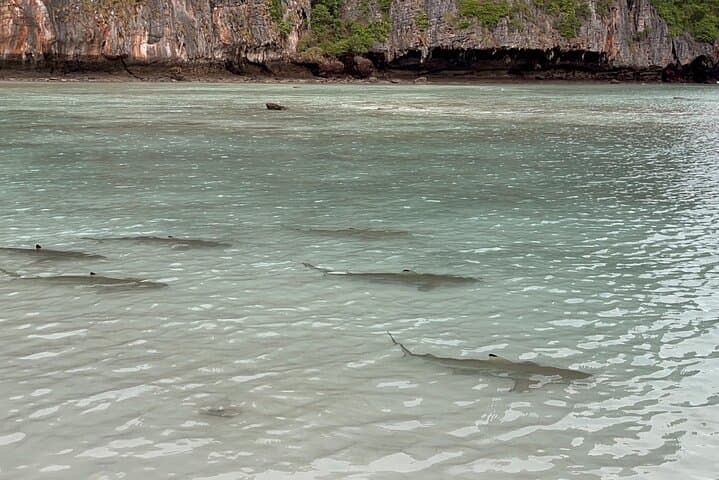
These islands are young in geological terms: uplifted limestone shaped by rain, waves and time into jagged cliffs and sheltered lagoons like Pileh (Phileh) Lagoon and Loh Samah Bay. Viking Cave holds traces of human use — edible-nest harvesting historically — while Monkey Beach warns of clever macaques that have learned to inspect visitors. The islands sit inside Hat Noppharat Thara–Mu Ko Phi Phi National Park, a protected zone with strict rules: national park fees, seasonal closures (Maya Bay has been periodically closed for recovery), and bans on drones and, at times, swimming in fragile areas.
Practically, expect 4–4.5 hours on the water with guided snorkeling stops, life vests and masks provided. Bring reef-safe sunscreen, a light waterproof layer for early morning spray, and a small dry bag for valuables. If your lodging isn’t on Ton Sai Beach, arrange a longtail boat to reach the pier before 6:00 a.m. Moderate fitness is required: short swims and some ladder climbs on the boat are typical. For photographers and early risers, this itinerary delivers both softer light and smaller crowds — but remember to respect marked no-swim zones and local conservation rules.
moderate.
4–4.5 hours.
Moderate fitness required: short swims, getting on/off the boat, and brief snorkeling sessions.
Meet at 6:00 a.m. in front of McDonald's, next to Tonsai Pier on Phi Phi Don; allow time for an early longtail if your accommodation isn’t on Ton Sai Beach.
Maya Bay has strict national park rules—swimming is sometimes prohibited and drones require permission; follow guide instructions and posted signs.
Snorkel masks, tubes and life vests are provided; basic swimming ability and comfort in open water are recommended.
Not suitable for pregnant travelers, those with serious heart or back problems, children under 4, or people over 70 per operator policy; moderate fitness is required.
Phi Phi’s islands have long been used by local fishers and, at sites like Viking Cave, for edible-nest harvesting; tourism surged after the 2000s, prompting national park protections.
Hat Noppharat Thara–Mu Ko Phi Phi is a protected national park with seasonal closures and strict rules to allow coral and beach recovery; visitors should avoid touching coral and use reef-safe products.
Phi Phi Local Tour operates guided outdoor trips and adventures with an emphasis on safety, stewardship, and memorable experiences.
Before dawn the speedboat's bow cuts a black mirror of Andaman Sea, and the limestone cliffs of Phi Phi Leh peek like sentries against a rising saffron horizon. Travelers meet at Tonsai Pier at 6:00 a.m., scramble aboard, and thread between karst towers while the air still smells of salt and diesel. The tour presses first to Maya Bay, where soft sand and sheer cliffs create the cinematic frame made famous by film — early light and fewer boats make it easier to appreciate the geology and fragile ecosystems.
Before dawn the speedboat's bow cuts a black mirror of Andaman Sea, and the limestone cliffs of Phi Phi Leh peek like sentries against a rising saffron horizon. Travelers meet at Tonsai Pier at 6:00 a.m., scramble aboard, and thread between karst towers while the air still smells of salt and diesel. The tour presses first to Maya Bay, where soft sand and sheer cliffs create the cinematic frame made famous by film — early light and fewer boats make it easier to appreciate the geology and fragile ecosystems.
These islands are young in geological terms: uplifted limestone shaped by rain, waves and time into jagged cliffs and sheltered lagoons like Pileh (Phileh) Lagoon and Loh Samah Bay. Viking Cave holds traces of human use — edible-nest harvesting historically — while Monkey Beach warns of clever macaques that have learned to inspect visitors. The islands sit inside Hat Noppharat Thara–Mu Ko Phi Phi National Park, a protected zone with strict rules: national park fees, seasonal closures (Maya Bay has been periodically closed for recovery), and bans on drones and, at times, swimming in fragile areas.
Practically, expect 4–4.5 hours on the water with guided snorkeling stops, life vests and masks provided. Bring reef-safe sunscreen, a light waterproof layer for early morning spray, and a small dry bag for valuables. If your lodging isn’t on Ton Sai Beach, arrange a longtail boat to reach the pier before 6:00 a.m. Moderate fitness is required: short swims and some ladder climbs on the boat are typical. For photographers and early risers, this itinerary delivers both softer light and smaller crowds — but remember to respect marked no-swim zones and local conservation rules.