THE ADVENTURE COLLECTIVE® · Independent discovery and booking for outdoor travel

Spend a full day exploring the Phi Phi Islands from Krabi—snorkel coral gardens, photograph film-famous beaches, and swim in emerald lagoons. This guide explains what to expect, and how to prepare for an active, sea-focused day.
Spend a full day exploring the Phi Phi Islands from Krabi—snorkel coral gardens, photograph film-famous beaches, and swim in emerald lagoons. This guide explains what to expect, and how to prepare for an active, sea-focused day.
The boat slips away from Krabi's limestone-edged shoreline and the Andaman Sea opens like a bright, moving map. Salt air stings your lips; nearby karst towers fold into the horizon while the longtail eases into turquoise pockets—Maya Bay, Pileh Cove, Bamboo Island—each scene a different shade of blue and rock.
Verified experiences and guided adventures in the surrounding area.
Operated by Oh-Hoo · Krabi, Krabi Province
The boat slips away from Krabi's limestone-edged shoreline and the Andaman Sea opens like a bright, moving map. Salt air stings your lips; nearby karst towers fold into the horizon while the longtail eases into turquoise pockets—Maya Bay, Pileh Cove, Bamboo Island—each scene a different shade of blue and rock.
These islands are painfully young in geological terms: raised coral and fractured limestone sculpted by tectonics and waves into vertical cliffs and hidden lagoons. Human history here is coastal and maritime—fisher folk, bird’s-nest collectors in Viking Cave, and more recently, international visitors after The Beach put Maya Bay on the map. The islands also carry a modern cautionary chapter: closures and replanted coral follow years of overtourism and the 2004 tsunami, so stewardship is part of any visit now.
Expect a day paced around short swims, guided snorkeling at shallow reefs, photo stops at film-famous beaches, and a buffet lunch on Phi Phi Don. Water conditions vary; the operator provides life jackets and snorkeling masks, but currents and crowding can change where you can swim.
Practical guidance: bring reef-safe sunscreen, a quick-dry towel, and a dry bag; wear reef-safe swimwear and water shoes for rocky landings. Start early to avoid the heat and larger crowds, keep a loose watch on sea conditions, and follow guides’ instructions when entering water or approaching cliffs. This trip is accessible to most people with basic swimming ability and offers concentrated exposure to classic Andaman topography and marine life.
easy.
7–8 hours.
Suitable for people in light to moderate shape; you should be able to board a boat and swim short distances.
No formal skills required—basic swimming and comfort in shallow water are enough; guides supply masks and life jackets and will brief you before entering the water.
The tour runs about 7–8 hours and typically includes hotel pickup (Krabi/Ao Nang), lunch, snorkeling equipment, life jackets, local guide, and basic accident insurance.
Operators will postpone or cancel tours for unsafe sea conditions; you’re usually offered an alternative date or full refund under their policy.
Yes—popular spots can be crowded midday; itineraries often stagger stops and offer early departures to reduce time in peak crowds.
The Phi Phi archipelago is uplifted limestone and coral that has long supported fishing and bird’s-nest collection; Maya Bay rose to global fame after appearing in a 2000 film and has since been managed for recovery.
Maya Bay and nearby sites have seen temporary closures and coral restoration efforts; visitors are encouraged to use reef‑safe products, avoid touching coral, and follow guide instructions to minimize impact.
Oh-Hoo operates guided outdoor trips and adventures with an emphasis on safety, stewardship, and memorable experiences.
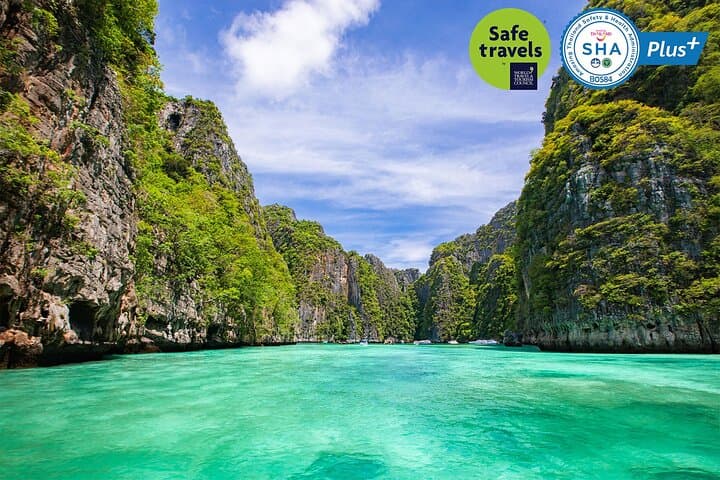
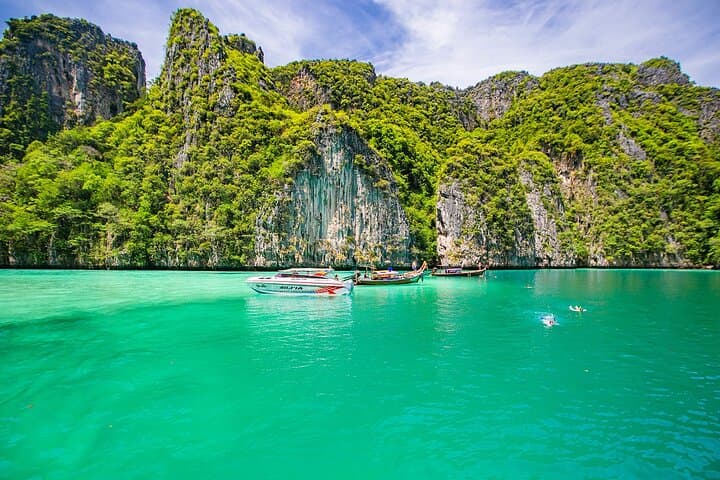
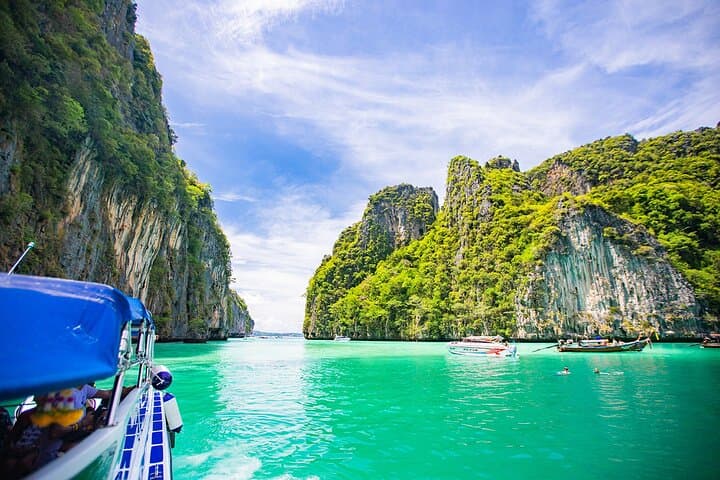
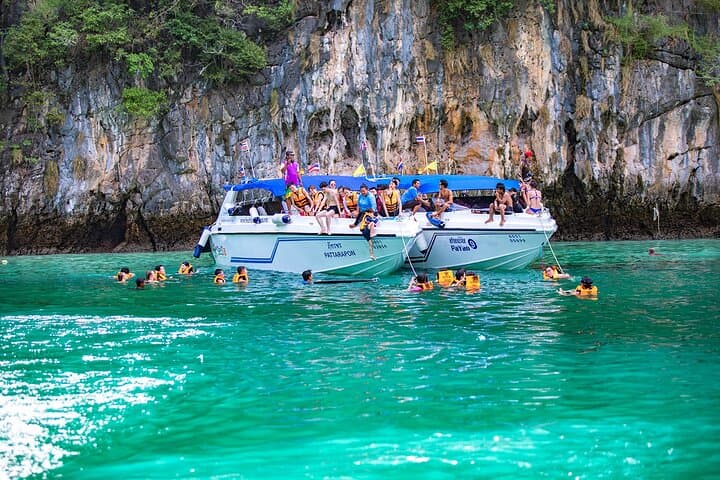
The boat slips away from Krabi's limestone-edged shoreline and the Andaman Sea opens like a bright, moving map. Salt air stings your lips; nearby karst towers fold into the horizon while the longtail eases into turquoise pockets—Maya Bay, Pileh Cove, Bamboo Island—each scene a different shade of blue and rock.
The boat slips away from Krabi's limestone-edged shoreline and the Andaman Sea opens like a bright, moving map. Salt air stings your lips; nearby karst towers fold into the horizon while the longtail eases into turquoise pockets—Maya Bay, Pileh Cove, Bamboo Island—each scene a different shade of blue and rock.
These islands are painfully young in geological terms: raised coral and fractured limestone sculpted by tectonics and waves into vertical cliffs and hidden lagoons. Human history here is coastal and maritime—fisher folk, bird’s-nest collectors in Viking Cave, and more recently, international visitors after The Beach put Maya Bay on the map. The islands also carry a modern cautionary chapter: closures and replanted coral follow years of overtourism and the 2004 tsunami, so stewardship is part of any visit now.
Expect a day paced around short swims, guided snorkeling at shallow reefs, photo stops at film-famous beaches, and a buffet lunch on Phi Phi Don. Water conditions vary; the operator provides life jackets and snorkeling masks, but currents and crowding can change where you can swim.
Practical guidance: bring reef-safe sunscreen, a quick-dry towel, and a dry bag; wear reef-safe swimwear and water shoes for rocky landings. Start early to avoid the heat and larger crowds, keep a loose watch on sea conditions, and follow guides’ instructions when entering water or approaching cliffs. This trip is accessible to most people with basic swimming ability and offers concentrated exposure to classic Andaman topography and marine life.