THE ADVENTURE COLLECTIVE® · Independent discovery and booking for outdoor travel

Board a big boat at Rassada Pier for a full-day cruise to the Phi Phi Islands—swim Long Beach, snorkel coral gardens, and pass towering limestone cliffs. This practical guide covers what to expect, how to prepare, and local rules to know before you go.
Board a big boat at Rassada Pier for a full-day cruise to the Phi Phi Islands—swim Long Beach, snorkel coral gardens, and pass towering limestone cliffs. This practical guide covers what to expect, how to prepare, and local rules to know before you go.
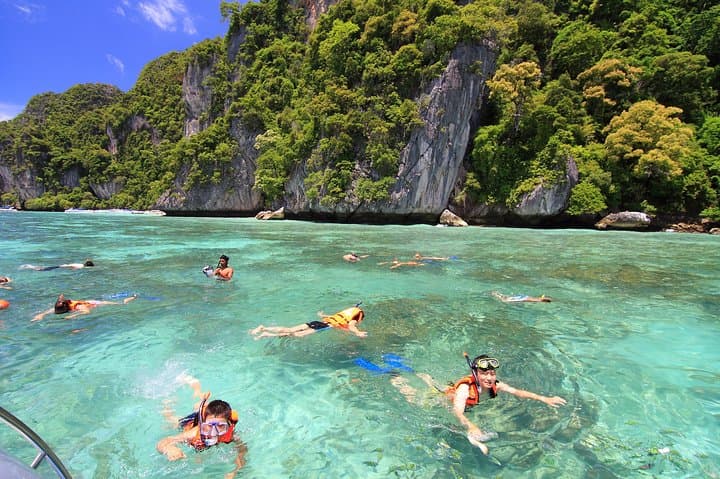
Morning light slices across the Andaman; the big boat slips out of Rassada Pier and the sea immediately takes on a deeper teal, daring you to jump in. Passengers punctuate the deck with cameras and slow, easy conversations as limestone cliffs peel into the sky and the first reef patches appear like scattered coins beneath the surface.
Verified experiences and guided adventures in the surrounding area.
Operated by Sunleisure World · Phuket, Phuket
Morning light slices across the Andaman; the big boat slips out of Rassada Pier and the sea immediately takes on a deeper teal, daring you to jump in. Passengers punctuate the deck with cameras and slow, easy conversations as limestone cliffs peel into the sky and the first reef patches appear like scattered coins beneath the surface.
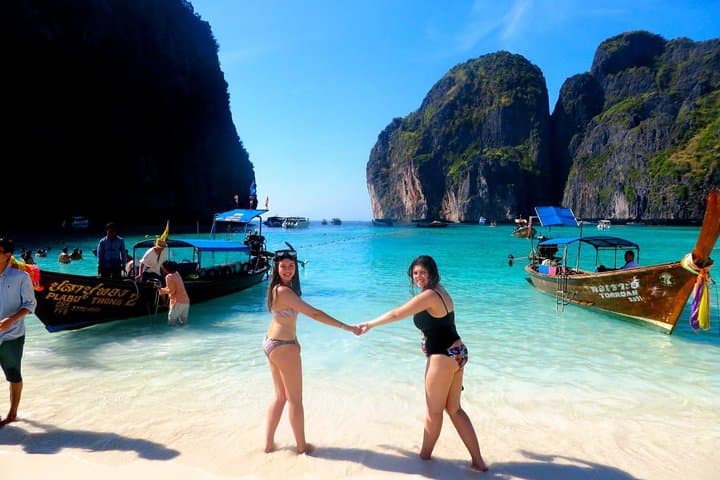
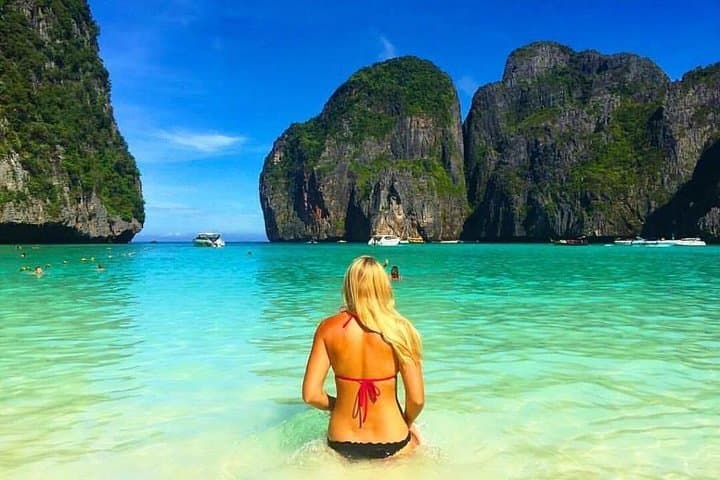
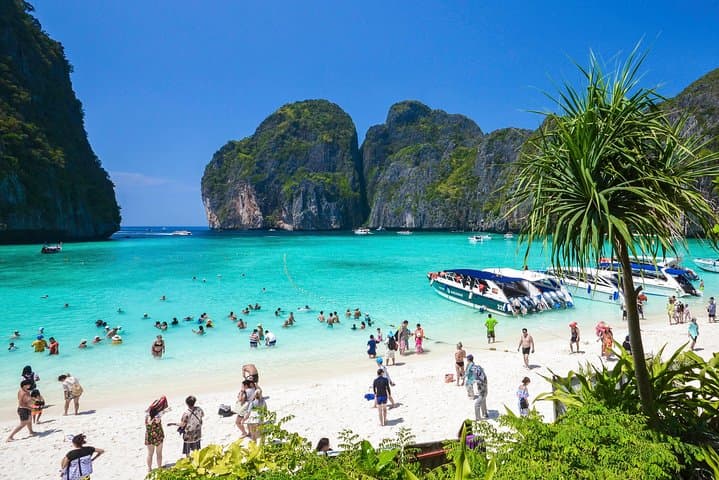
Phi Phi’s geology is dramatic—steep karst towers carved from fossilized coral and uplifted limestone. The islands sit within Hat Noppharat Thara–Mu Ko Phi Phi National Park, an area that gained global attention after the film era around Maya Bay and now balances tourism with conservation rules and a modest park fee.
Culturally, the islands have been fishing and sea-gypsy grounds for generations; today day-trippers mix with local restaurateurs serving curry and fresh fruit on the sand. Expect long beaches edged by clear water, snorkeling over colorful coral gardens, and boat-based sightseeing past Viking Cave and Pi Leh Cove.
Practically: this is a full-day outing (about 10 hours door-to-door including pickup). Bring reef-safe sunscreen, a light wind layer for the crossing, and a waterproof bag. If prone to seasickness, take medication before boarding; mornings tend to be calmer. National park fees apply on arrival—carry Thai baht. Snorkel gear and life jackets are usually provided, but well-fitting fins make exploring easier.
Timing tip: aim for high season crossings (November–April) for the clearest water. Move deliberately between beach time and boat viewing to see both sheltered bays and the dramatic cliffs that give Phi Phi its character.
easy.
10 hours.
Suitable for most fitness levels; able to board boats, walk short sandy stretches and swim/snorkel for short periods.
The national park fee (around 400 THB) is usually paid on arrival at the island and is not always included in tour price—bring cash.
Yes; shallow reef areas and life jackets are provided, making it suitable for first-time snorkelers, though basic swimming ability is recommended.
Hotel pickup commonly begins around 7:00 AM from Patong/Kata/Karon areas; confirm your pickup point and allow flexibility for traffic.
A buffet-style Thai lunch and seasonal fruit/soft drinks are usually included; bring snacks if you have dietary restrictions and check ahead for options.
Phi Phi sits within a national park established to protect its marine and island ecosystems; the area saw an influx of tourists after Maya Bay appeared in popular media.
Visitors are encouraged to use reef-safe products, avoid touching coral or feeding wildlife, and follow park rules to limit impact on fragile reefs.
Sunleisure World operates guided outdoor trips and adventures with an emphasis on safety, stewardship, and memorable experiences.
Morning light slices across the Andaman; the big boat slips out of Rassada Pier and the sea immediately takes on a deeper teal, daring you to jump in. Passengers punctuate the deck with cameras and slow, easy conversations as limestone cliffs peel into the sky and the first reef patches appear like scattered coins beneath the surface.
Morning light slices across the Andaman; the big boat slips out of Rassada Pier and the sea immediately takes on a deeper teal, daring you to jump in. Passengers punctuate the deck with cameras and slow, easy conversations as limestone cliffs peel into the sky and the first reef patches appear like scattered coins beneath the surface.
Phi Phi’s geology is dramatic—steep karst towers carved from fossilized coral and uplifted limestone. The islands sit within Hat Noppharat Thara–Mu Ko Phi Phi National Park, an area that gained global attention after the film era around Maya Bay and now balances tourism with conservation rules and a modest park fee.
Culturally, the islands have been fishing and sea-gypsy grounds for generations; today day-trippers mix with local restaurateurs serving curry and fresh fruit on the sand. Expect long beaches edged by clear water, snorkeling over colorful coral gardens, and boat-based sightseeing past Viking Cave and Pi Leh Cove.
Practically: this is a full-day outing (about 10 hours door-to-door including pickup). Bring reef-safe sunscreen, a light wind layer for the crossing, and a waterproof bag. If prone to seasickness, take medication before boarding; mornings tend to be calmer. National park fees apply on arrival—carry Thai baht. Snorkel gear and life jackets are usually provided, but well-fitting fins make exploring easier.
Timing tip: aim for high season crossings (November–April) for the clearest water. Move deliberately between beach time and boat viewing to see both sheltered bays and the dramatic cliffs that give Phi Phi its character.