THE ADVENTURE COLLECTIVE® · Independent discovery and booking for outdoor travel

Spend a full day from Phuket exploring Phi Phi’s limestone cliffs, snorkeling crystal reefs, and relaxing on white sands. This 10‑hour boat tour includes lunch, snorkel gear, and hotel transfers from major Phuket beaches.
Spend a full day from Phuket exploring Phi Phi’s limestone cliffs, snorkeling crystal reefs, and relaxing on white sands. This 10‑hour boat tour includes lunch, snorkel gear, and hotel transfers from major Phuket beaches.
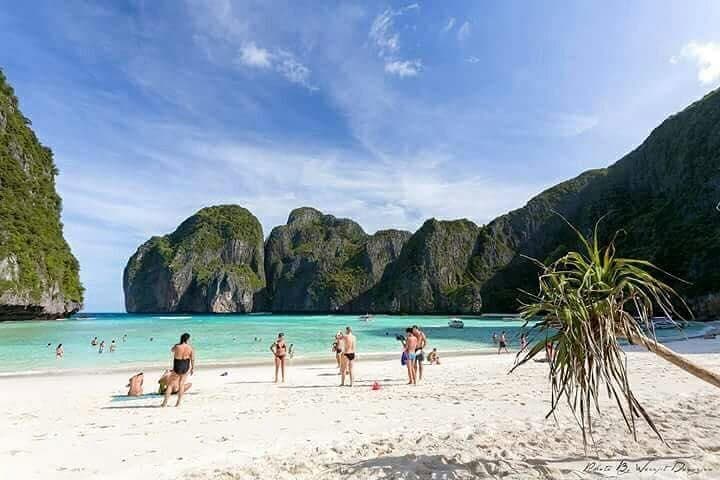
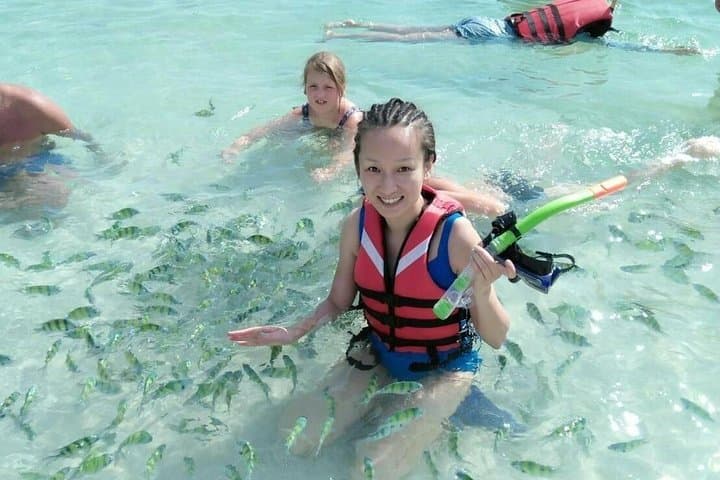
A swell of blue opens as the speedboat slips from Phuket's harbor and the Andaman Sea begins to stretch like an invitation. Salt air pushes at your face; limestone cliffs of Phi Phi loom ahead, a sudden vertical script against the horizon. On a typical 10‑hour day trip, guides move with practiced calm—navigating narrow channels, pointing out caves, and nudging boats toward clear snorkeling pockets where fish thread the coral.
Verified experiences and guided adventures in the surrounding area.
Operated by Qbic Travel · Phi Phi Don, Phuket Province
A swell of blue opens as the speedboat slips from Phuket's harbor and the Andaman Sea begins to stretch like an invitation. Salt air pushes at your face; limestone cliffs of Phi Phi loom ahead, a sudden vertical script against the horizon. On a typical 10‑hour day trip, guides move with practiced calm—navigating narrow channels, pointing out caves, and nudging boats toward clear snorkeling pockets where fish thread the coral.
Phi Phi’s story is both geological and human: towering karst formed from uplifted coral and limestone, eroded over millennia into dramatic cliffs; a handful of small fishing communities that turned toward tourism in the late 20th century. The 2004 tsunami altered the islands and their infrastructure, and conservation measures—temporary closures, boat restrictions—have reshaped how visitors experience places like Maya Bay.
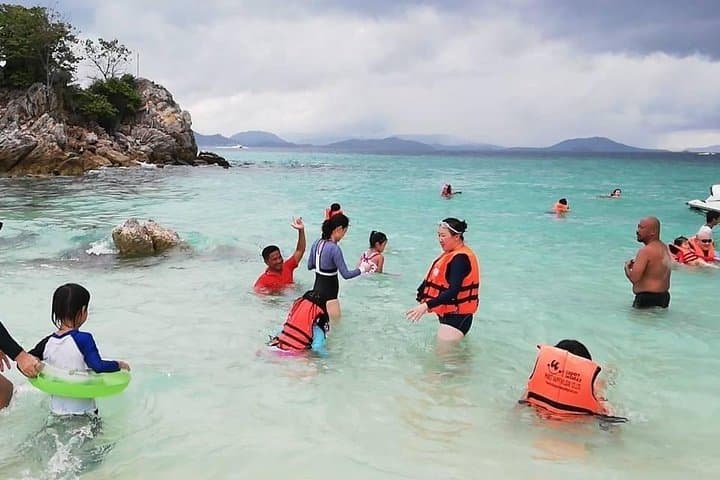
Expect varied stops: snorkeling at reefs, a buffet lunch on Phi Phi Don or Khai Island, and free time on powdery beaches. Terrain is boat decks, sandy shorelines, and short uneven paths if you climb a viewpoint. Water can be glassy or choppy; currents sometimes pull at swimmers’ legs and the sun grows fierce by midday.
Practical guidance: bring reef‑safe sunscreen, a light waterproof layer, and a dry bag for electronics. If you snorkel, basic swimming skills are highly recommended. Plan for early pick‑ups from Patong, Kata, Karon or Phuket Town, and carry cash for small purchases. With some planning, a day here balances spectacle and logistics—clear water, limestone drama, and enough downtime to let the sea reset your pace.
easy.
10 hours.
Light activity: standing on boats, short swims and walking on sand; basic mobility recommended.
The tour runs about 10 hours and typically includes round‑trip transfers from major Phuket beaches, lunch, snorkel equipment, water, and a guided itinerary visiting islands like Phi Phi Don, Maya Bay (subject to local rules), and Khai or Rang islands.
Yes—shallow, protected reef areas are suitable for beginners, but you should be comfortable in the water; life vests and basic instruction are usually provided.
Operators monitor conditions and may alter or cancel trips for safety; bring sun protection, stay hydrated, and follow guides’ instructions for swimming and boarding.
Most tours offer free transfers from Patong, Kata, Karon and Phuket Town; pickups from other areas may incur a small charge—confirm at booking.
Phi Phi’s dramatic cliffs are uplifted limestone; small fishing villages transitioned to tourism in recent decades and the islands were significantly impacted and later rehabilitated after the 2004 tsunami.
Local authorities periodically restrict access to sensitive sites (e.g., Maya Bay) to allow reef recovery—use reef‑safe products and avoid touching coral to reduce impact.
Qbic Travel operates guided outdoor trips and adventures with an emphasis on safety, stewardship, and memorable experiences.

A swell of blue opens as the speedboat slips from Phuket's harbor and the Andaman Sea begins to stretch like an invitation. Salt air pushes at your face; limestone cliffs of Phi Phi loom ahead, a sudden vertical script against the horizon. On a typical 10‑hour day trip, guides move with practiced calm—navigating narrow channels, pointing out caves, and nudging boats toward clear snorkeling pockets where fish thread the coral.
A swell of blue opens as the speedboat slips from Phuket's harbor and the Andaman Sea begins to stretch like an invitation. Salt air pushes at your face; limestone cliffs of Phi Phi loom ahead, a sudden vertical script against the horizon. On a typical 10‑hour day trip, guides move with practiced calm—navigating narrow channels, pointing out caves, and nudging boats toward clear snorkeling pockets where fish thread the coral.
Phi Phi’s story is both geological and human: towering karst formed from uplifted coral and limestone, eroded over millennia into dramatic cliffs; a handful of small fishing communities that turned toward tourism in the late 20th century. The 2004 tsunami altered the islands and their infrastructure, and conservation measures—temporary closures, boat restrictions—have reshaped how visitors experience places like Maya Bay.
Expect varied stops: snorkeling at reefs, a buffet lunch on Phi Phi Don or Khai Island, and free time on powdery beaches. Terrain is boat decks, sandy shorelines, and short uneven paths if you climb a viewpoint. Water can be glassy or choppy; currents sometimes pull at swimmers’ legs and the sun grows fierce by midday.
Practical guidance: bring reef‑safe sunscreen, a light waterproof layer, and a dry bag for electronics. If you snorkel, basic swimming skills are highly recommended. Plan for early pick‑ups from Patong, Kata, Karon or Phuket Town, and carry cash for small purchases. With some planning, a day here balances spectacle and logistics—clear water, limestone drama, and enough downtime to let the sea reset your pace.