THE ADVENTURE COLLECTIVE® · Independent discovery and booking for outdoor travel

Spend a half day by speedboat exploring Phi Phi’s dramatic karst cliffs, snorkeling in clear bays and relaxing on soft sand at Khai Nai. This practical guide covers what to expect, how to prepare, and where the best shallow reefs sit for easy snorkeling.
Spend a half day by speedboat exploring Phi Phi’s dramatic karst cliffs, snorkeling in clear bays and relaxing on soft sand at Khai Nai. This practical guide covers what to expect, how to prepare, and where the best shallow reefs sit for easy snorkeling.
A warm wind lifts spray off the Andaman as a premium speedboat slips from Phuket’s pier toward the limestone teeth of the Phi Phi islands. You feel the engine’s pulse and the sea’s pull as the craft cuts through glassy channels toward Maya Bay and Monkey Beach — two places where cliffs drop nearly vertically into blue water that dares you to dive in.
Verified experiences and guided adventures in the surrounding area.
Operated by Phuketalltours · Phuket, Phuket
A warm wind lifts spray off the Andaman as a premium speedboat slips from Phuket’s pier toward the limestone teeth of the Phi Phi islands. You feel the engine’s pulse and the sea’s pull as the craft cuts through glassy channels toward Maya Bay and Monkey Beach — two places where cliffs drop nearly vertically into blue water that dares you to dive in.
Geology here is obvious: towering karst cliffs carved from ancient coral and limestone, their faces streaked by seasonal rains. Phi Phi’s human history is short compared with the rock — fishing communities and a handful of permanent residents on Phi Phi Don — but the islands are globally known after film crews and a surge of tourism. Today the area is managed as part of a national park, with fees and protected zones to conserve reefs and marine life.
Expect snorkeling over shallow coral gardens at Phi Phi Ley and Loh Samah Bay, a beach picnic on Khai Nai, and photo stops at Maya Bay when permitted. The itinerary suits swimmers and casual adventurers; basic snorkeling skills make the day richer. Seas can be calm and mirror-flat or chop-slick depending on monsoon winds, so timing matters.
Practical guidance: bring reef-safe sunscreen, a waterproof phone case, and a light towel. Hydrate before departure and store belongings in a dry bag. Listen to briefings on reef etiquette and follow guides for safe entries and exits — your choices matter for fragile corals and resident fish.
moderate.
6–7 hours.
Comfortable for people with basic fitness; must be able to swim and climb in/out of a boat.
The tour runs approximately 6–7 hours and includes hotel transfer (in Phuket), speedboat transport, snorkeling equipment, national park fee, and a beach lunch.
Yes — the tour is suitable for beginners; guides provide basic equipment and short orientation before entering calmer snorkeling spots.
Infants must sit on laps; the tour is not recommended for people with serious back, heart conditions, or pregnant travelers due to boat motion and sea conditions.
Operators may cancel for rough seas; their standard policy allows full refund if you cancel at least 24 hours prior, and they monitor conditions for safety.
Phi Phi’s karst islands formed from uplifted coral limestone; human settlement has long centered on fishing and, more recently, tourism-driven services on Phi Phi Don.
The islands sit within a national park that charges entrance fees and enforces no-anchor zones and temporary closures; visitors should use reef-safe products and avoid contact with marine life.
Phuketalltours operates guided outdoor trips and adventures with an emphasis on safety, stewardship, and memorable experiences.
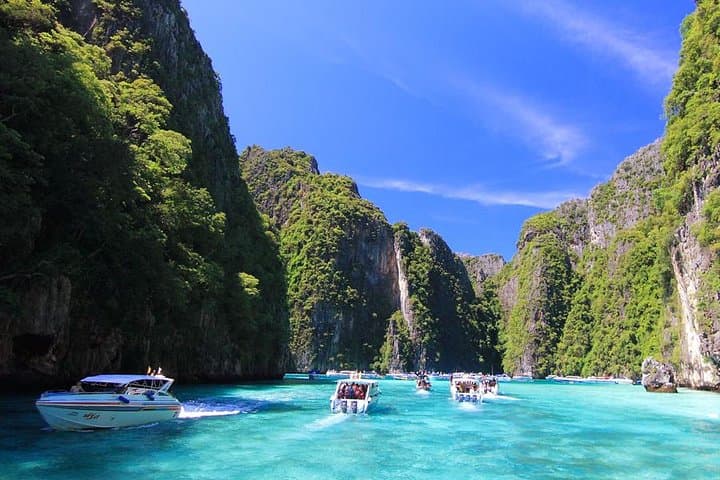
A warm wind lifts spray off the Andaman as a premium speedboat slips from Phuket’s pier toward the limestone teeth of the Phi Phi islands. You feel the engine’s pulse and the sea’s pull as the craft cuts through glassy channels toward Maya Bay and Monkey Beach — two places where cliffs drop nearly vertically into blue water that dares you to dive in.
A warm wind lifts spray off the Andaman as a premium speedboat slips from Phuket’s pier toward the limestone teeth of the Phi Phi islands. You feel the engine’s pulse and the sea’s pull as the craft cuts through glassy channels toward Maya Bay and Monkey Beach — two places where cliffs drop nearly vertically into blue water that dares you to dive in.
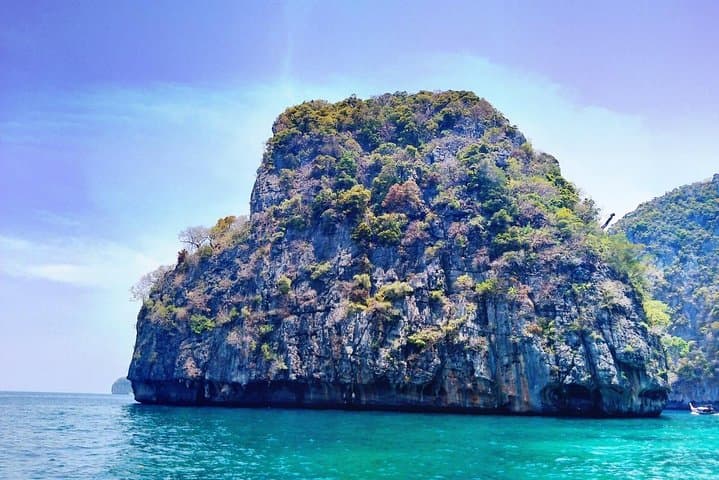
Geology here is obvious: towering karst cliffs carved from ancient coral and limestone, their faces streaked by seasonal rains. Phi Phi’s human history is short compared with the rock — fishing communities and a handful of permanent residents on Phi Phi Don — but the islands are globally known after film crews and a surge of tourism. Today the area is managed as part of a national park, with fees and protected zones to conserve reefs and marine life.
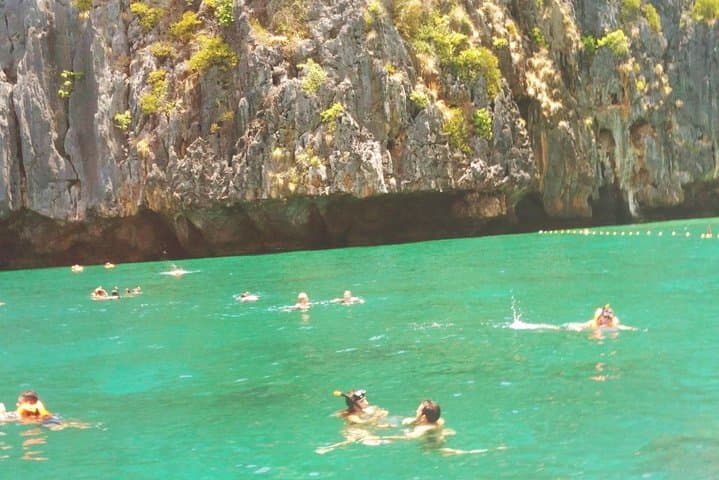
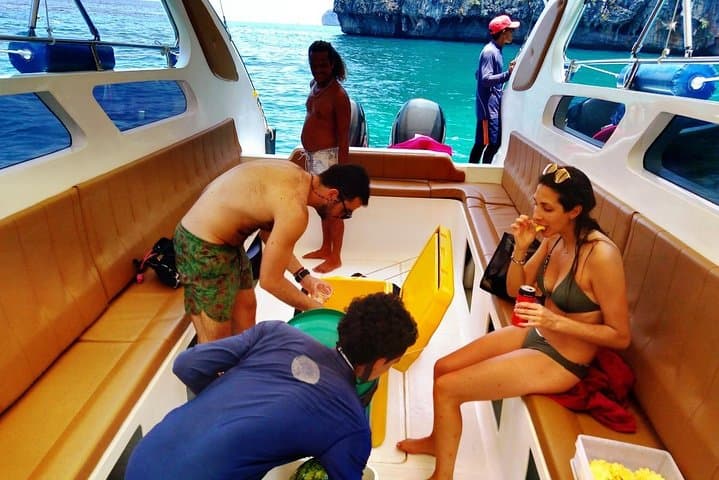
Expect snorkeling over shallow coral gardens at Phi Phi Ley and Loh Samah Bay, a beach picnic on Khai Nai, and photo stops at Maya Bay when permitted. The itinerary suits swimmers and casual adventurers; basic snorkeling skills make the day richer. Seas can be calm and mirror-flat or chop-slick depending on monsoon winds, so timing matters.
Practical guidance: bring reef-safe sunscreen, a waterproof phone case, and a light towel. Hydrate before departure and store belongings in a dry bag. Listen to briefings on reef etiquette and follow guides for safe entries and exits — your choices matter for fragile corals and resident fish.