THE ADVENTURE COLLECTIVE® · Independent discovery and booking for outdoor travel

A compact cultural loop south of Kathmandu that mixes Buddhist meditation caves, Hindu temples, a sacred lakeside, and the dramatic Chobhar gorge. Expect ritual, history, and short walks across varied terrain.
A compact cultural loop south of Kathmandu that mixes Buddhist meditation caves, Hindu temples, a sacred lakeside, and the dramatic Chobhar gorge. Expect ritual, history, and short walks across varied terrain.
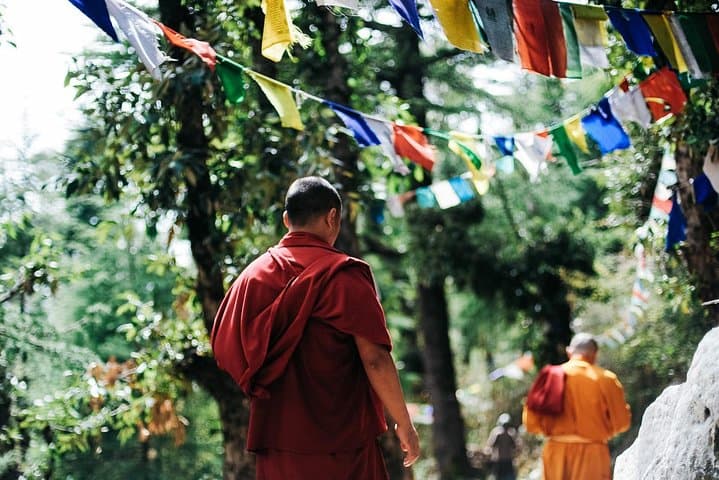
You step out of a Kathmandu hotel into crisp mountain air and head southwards—roads tightening, terraced fields slipping past the window—until the car eases into Pharping’s quiet courtyard of shrines. The bells and prayer flags are immediate: low chants, the metallic clink of ritual, and the steady breath of devotees walking stone steps.
Verified experiences and guided adventures in the surrounding area.
Operated by Liberty Holidays · Pharping, Bagmati Province
You step out of a Kathmandu hotel into crisp mountain air and head southwards—roads tightening, terraced fields slipping past the window—until the car eases into Pharping’s quiet courtyard of shrines. The bells and prayer flags are immediate: low chants, the metallic clink of ritual, and the steady breath of devotees walking stone steps.
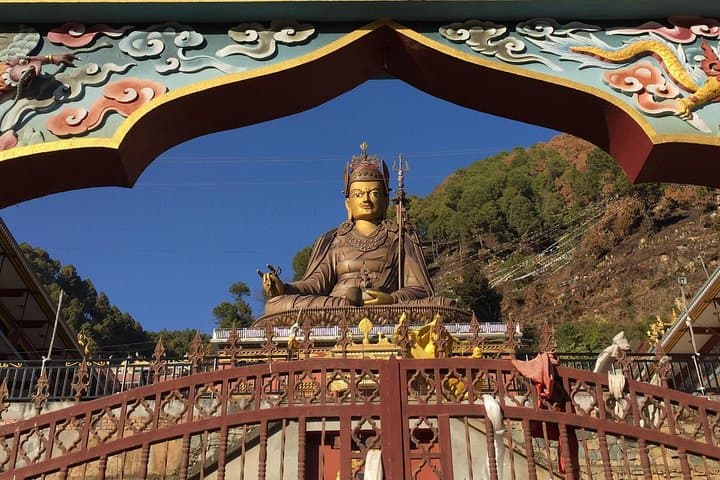
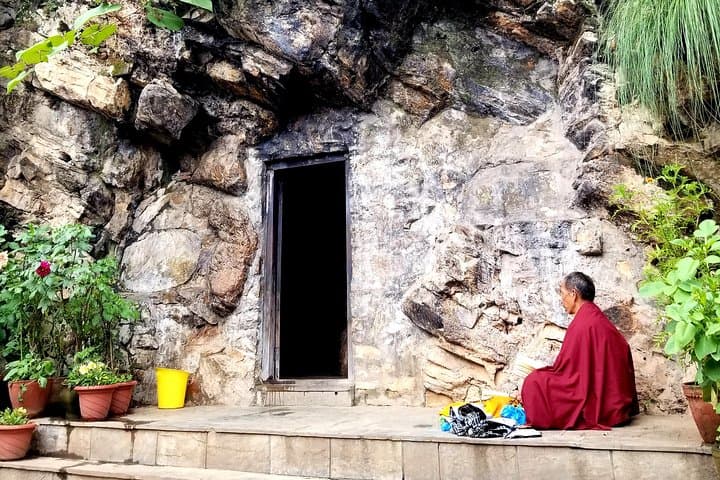
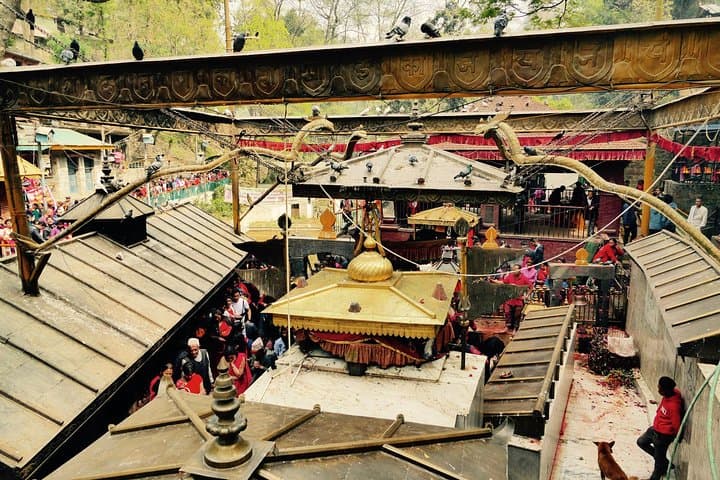
Pharping holds sites important to both Hindu and Tibetan Buddhist practice: Asura Cave, where Guru Padmasambhava is said to have meditated; a self-arising Ganesh; and the red-roofed Vajrayogini temple. Further down the ridge, Dakshinkali’s temple is rawer, its rituals centered on the goddess Kali—offerings and animal sacrifices are part of the living practice here and can be confronting.
Geologically, the route skirts the southern rim of the Kathmandu Valley—Chobhar Gorge shows where water once carved an outlet and, local lore says, Manjushree cut the valley free to drain the ancient lake, leaving Taudaha’s small highland lake behind. Cultural layers are thick: Newar settlements, small monasteries, and riverside ghats.
Practical guidance: this is a half-day private tour (around 5–6 hours) with hotel pickup; wear modest, easily washable clothing and sturdy walking shoes for temple steps and uneven paths. Carry cash for donations and parking, and be prepared emotionally for sacrificial rites at Dakshinkali. Photography is welcomed in many areas but be respectful at ceremonies and near worshippers. Timing matters: mornings are cooler and less crowded at Pharping; late afternoon offers good light at Taudaha. Bring water, a light rain layer in monsoon season, and follow your guide’s directions to navigate shrines and local customs safely.
easy.
5–6 hours.
Suitable for most fitness levels; requires short walks and climbing uneven temple steps.
Yes—this tour’s listed inclusions cover entrance fees and a buffet or set lunch at a local restaurant.
Dakshinkali is an active shrine where animal offerings occur; the guide will explain practices and you can choose to observe from a distance or remain at the temple courtyard.
Pickup and drop-off are included for hotels inside Kathmandu’s ring road; pickups outside that area may incur an extra charge.
The operator advises against participation for pregnant travelers and those with serious heart or spinal issues due to uneven terrain and the stress of travel.
Pharping is a pilgrimage cluster linked to Guru Padmasambhava and Vajrayogini practices; local legend credits Manjushree with cutting Chobhar Gorge to drain the ancient Kathmandu Lake.
These sites see steady visitor and pilgrim traffic—reduce impact by staying on paths, avoiding litter, and using local guides to support community-managed preservation efforts.
Liberty Holidays operates guided outdoor trips and adventures with an emphasis on safety, stewardship, and memorable experiences.
You step out of a Kathmandu hotel into crisp mountain air and head southwards—roads tightening, terraced fields slipping past the window—until the car eases into Pharping’s quiet courtyard of shrines. The bells and prayer flags are immediate: low chants, the metallic clink of ritual, and the steady breath of devotees walking stone steps.
You step out of a Kathmandu hotel into crisp mountain air and head southwards—roads tightening, terraced fields slipping past the window—until the car eases into Pharping’s quiet courtyard of shrines. The bells and prayer flags are immediate: low chants, the metallic clink of ritual, and the steady breath of devotees walking stone steps.
Pharping holds sites important to both Hindu and Tibetan Buddhist practice: Asura Cave, where Guru Padmasambhava is said to have meditated; a self-arising Ganesh; and the red-roofed Vajrayogini temple. Further down the ridge, Dakshinkali’s temple is rawer, its rituals centered on the goddess Kali—offerings and animal sacrifices are part of the living practice here and can be confronting.
Geologically, the route skirts the southern rim of the Kathmandu Valley—Chobhar Gorge shows where water once carved an outlet and, local lore says, Manjushree cut the valley free to drain the ancient lake, leaving Taudaha’s small highland lake behind. Cultural layers are thick: Newar settlements, small monasteries, and riverside ghats.
Practical guidance: this is a half-day private tour (around 5–6 hours) with hotel pickup; wear modest, easily washable clothing and sturdy walking shoes for temple steps and uneven paths. Carry cash for donations and parking, and be prepared emotionally for sacrificial rites at Dakshinkali. Photography is welcomed in many areas but be respectful at ceremonies and near worshippers. Timing matters: mornings are cooler and less crowded at Pharping; late afternoon offers good light at Taudaha. Bring water, a light rain layer in monsoon season, and follow your guide’s directions to navigate shrines and local customs safely.