THE ADVENTURE COLLECTIVE® · Independent discovery and booking for outdoor travel

Experience ancient Egypt in motion at the Pharaonic Village, then walk the narrow alleys of Khan el-Khalili with a private Egyptologist. This four-hour private tour mixes living-history exhibits, canals, and market bargaining for a compact cultural immersion.
Experience ancient Egypt in motion at the Pharaonic Village, then walk the narrow alleys of Khan el-Khalili with a private Egyptologist. This four-hour private tour mixes living-history exhibits, canals, and market bargaining for a compact cultural immersion.
You step out of your Cairo hotel into a city of heat, stone and stories; the sun slides off the Nile and the air smells faintly of spices and exhaust. A private guide leads the way through canals and reconstructed mud-brick houses at the Pharaonic Village, where actors reenact daily life of pharaohs and small boats drift like timekeepers on quiet channels.
Verified experiences and guided adventures in the surrounding area.
Operated by Let`s Explore Egypt · Cairo, Cairo Governorate
You step out of your Cairo hotel into a city of heat, stone and stories; the sun slides off the Nile and the air smells faintly of spices and exhaust. A private guide leads the way through canals and reconstructed mud-brick houses at the Pharaonic Village, where actors reenact daily life of pharaohs and small boats drift like timekeepers on quiet channels.
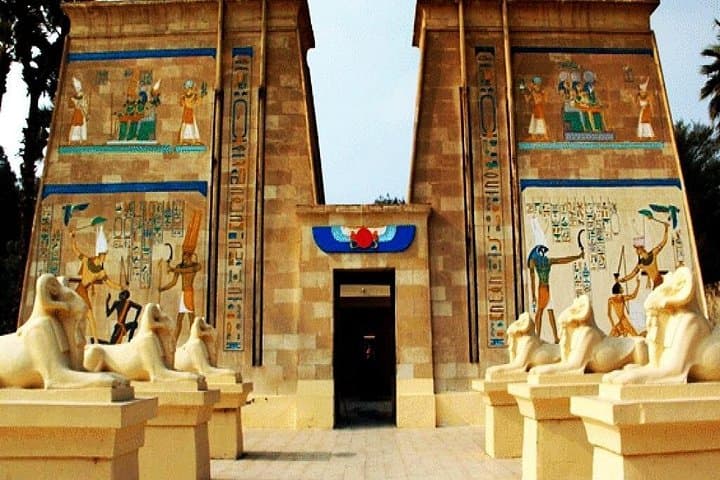
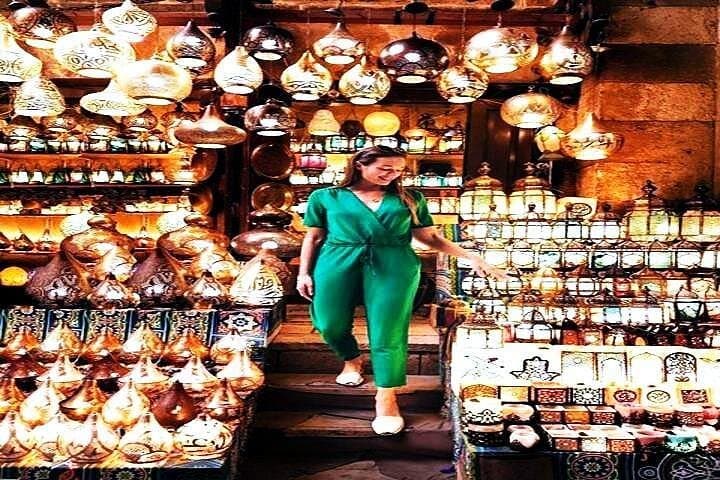
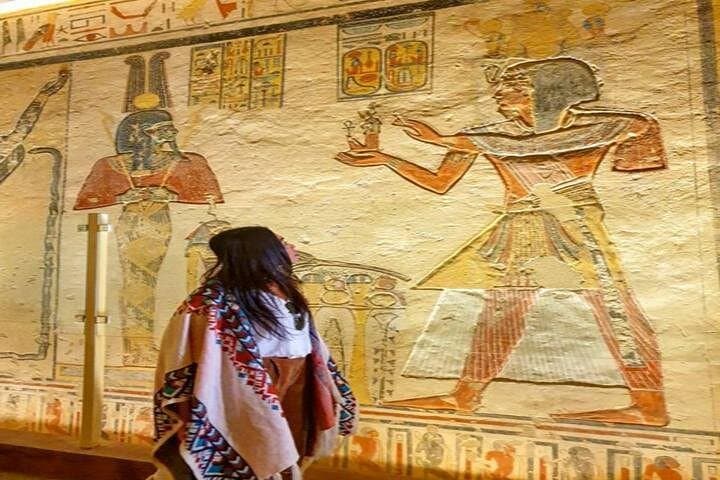
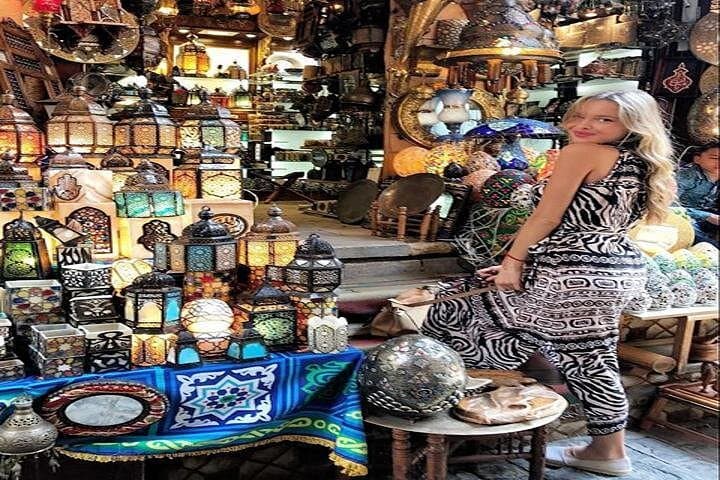
The site was created in the 1970s as a living museum that reconstructs ancient Egyptian environments—homes, workshops and funerary rites—so visitors can see how mummification, agriculture and royal life were performed rather than just viewed behind glass. From there the tour moves into Islamic Cairo: narrow streets, historic mosques, and the chaotic charm of Khan el-Khalili, a market that has been a trade hub since the 14th century.
Geology gives Cairo its curve—the Nile carved the floodplain that made agriculture and civilization possible; many artifacts on display were fashioned from Nile silt stone and desert limestone quarried nearby. Culture here is tactile: brassware, glassblowers, and coffeehouses where locals trade news.
Practical side: wear comfortable walking shoes and light, breathable clothing; expect paved paths inside the Pharaonic Village and uneven cobbles in Khan el-Khalili. Carry small change for purchases and a photocopy of your passport; the tour includes entrance fees, an English-speaking Egyptologist guide, bottled water and lunch. Plan for midday heat—early morning departures are cooler and less crowded. With a private car transfer, this four-hour loop delivers concentrated history, hands-on displays and a lively market experience without navigating Cairo on your own.
easy.
4 hours.
Light walking fitness; suitable for most travelers comfortable with short periods of standing and walking on uneven surfaces.
Yes—this private tour includes entrance fees to the Pharaonic Village and access to the areas visited in Khan el-Khalili as part of the itinerary.
The tour runs approximately four hours and includes private air-conditioned transfers from and back to your Cairo or Giza hotel.
Yes—the tour is rated easy and suitable for most ages, though participants should be able to walk short distances and handle uneven market cobbles.
Yes—an English-speaking Egyptologist is standard and other mother tongues can be requested; you can note special dietary or accessibility needs at booking.
Khan el-Khalili developed into a major medieval trade market under the Mamluks in the 14th century; the Pharaonic Village was built later as an educational reconstruction of ancient Egyptian life.
Tourism in Cairo concentrates foot traffic in historic zones—stick to marked paths, avoid touching fragile replicas and support local artisans to ensure economic benefits remain local.
Let`s Explore Egypt operates guided outdoor trips and adventures with an emphasis on safety, stewardship, and memorable experiences.
You step out of your Cairo hotel into a city of heat, stone and stories; the sun slides off the Nile and the air smells faintly of spices and exhaust. A private guide leads the way through canals and reconstructed mud-brick houses at the Pharaonic Village, where actors reenact daily life of pharaohs and small boats drift like timekeepers on quiet channels.
You step out of your Cairo hotel into a city of heat, stone and stories; the sun slides off the Nile and the air smells faintly of spices and exhaust. A private guide leads the way through canals and reconstructed mud-brick houses at the Pharaonic Village, where actors reenact daily life of pharaohs and small boats drift like timekeepers on quiet channels.
The site was created in the 1970s as a living museum that reconstructs ancient Egyptian environments—homes, workshops and funerary rites—so visitors can see how mummification, agriculture and royal life were performed rather than just viewed behind glass. From there the tour moves into Islamic Cairo: narrow streets, historic mosques, and the chaotic charm of Khan el-Khalili, a market that has been a trade hub since the 14th century.
Geology gives Cairo its curve—the Nile carved the floodplain that made agriculture and civilization possible; many artifacts on display were fashioned from Nile silt stone and desert limestone quarried nearby. Culture here is tactile: brassware, glassblowers, and coffeehouses where locals trade news.
Practical side: wear comfortable walking shoes and light, breathable clothing; expect paved paths inside the Pharaonic Village and uneven cobbles in Khan el-Khalili. Carry small change for purchases and a photocopy of your passport; the tour includes entrance fees, an English-speaking Egyptologist guide, bottled water and lunch. Plan for midday heat—early morning departures are cooler and less crowded. With a private car transfer, this four-hour loop delivers concentrated history, hands-on displays and a lively market experience without navigating Cairo on your own.