THE ADVENTURE COLLECTIVE® · Independent discovery and booking for outdoor travel

Cross the Nile to Ya'aqoub Island and walk into a living reconstruction of ancient Egyptian daily life. This private tour mixes a boat ride, craft demonstrations, and a striking replica of Tutankhamun’s tomb for a compact 3–4 hour cultural outing.
Cross the Nile to Ya'aqoub Island and walk into a living reconstruction of ancient Egyptian daily life. This private tour mixes a boat ride, craft demonstrations, and a striking replica of Tutankhamun’s tomb for a compact 3–4 hour cultural outing.
You step off an air-conditioned vehicle, the Nile ahead spooling silver, and climb into a small boat that nudges the river like a memory being returned.
Verified experiences and guided adventures in the surrounding area.
Operated by Alacart Travel Egypt · Giza, Giza Governorate
You step off an air-conditioned vehicle, the Nile ahead spooling silver, and climb into a small boat that nudges the river like a memory being returned.
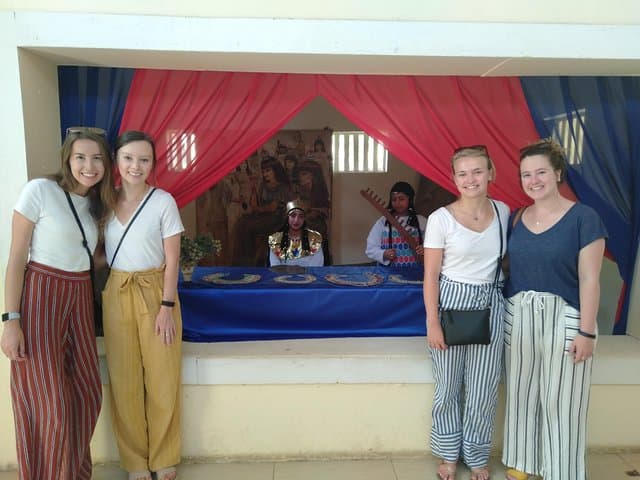
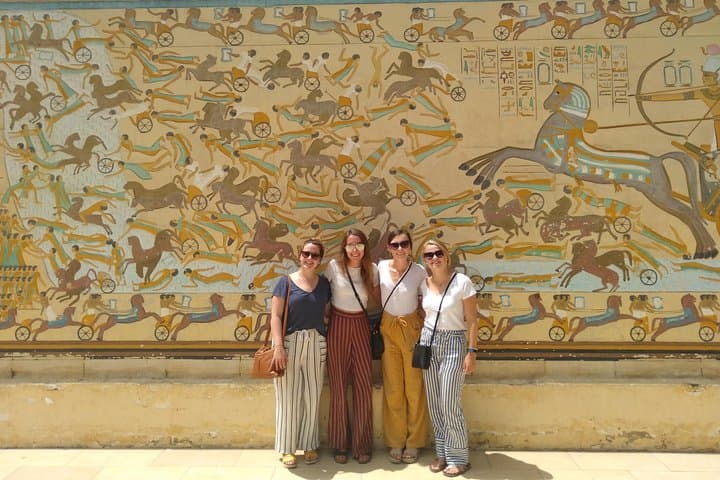
The ride across Ya'aqoub Island is part theater, part field trip — willows and tall trees screen modern Cairo until the Pharaonic Village appears: reconstructed mud-brick homes, craftsmen at looms, and farmers demonstrating sickle work. Inside the village a faithful replica of Tutankhamun’s tomb draws a hushed crowd; here the past feels engineered with reverence rather than invention.
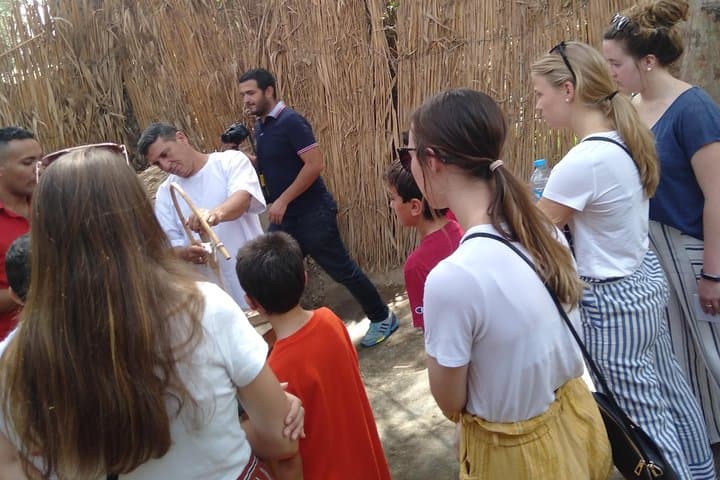
Dr. Hassan Ragab founded the site to revive papyrus and living crafts; the village covers roughly 490,000 square feet and was planted with thousands of trees to mask the city's edge. Geologically the island is a Nile deposit — riverine soils that supported ancient agriculture and still fuel the demonstration fields. Culturally you’ll see staged rituals, boat-building, pottery and daily-food demonstrations that explain how ancient Egyptians fed and housed themselves.
Practical edge: tours run about 3–4 hours, include pickup and entrance fees, and are wheelchair accessible in many areas. Bring sun protection and comfortable shoes for short uneven surfaces, but expect mostly flat, paved paths. Bottled water is typically provided; plan to eat on-site if you want local fare and leave time for a shopping stop. Morning visits avoid heat and mid-afternoon crowds.
The experience sits squarely between a living museum and outdoor cultural walk — approachable for families and a useful primer on Nile-era life before you visit nearby archaeological sites.
easy.
3–4 hours.
Suitable for most fitness levels; involves short walks and boat boarding
The tour typically lasts 3–4 hours, including hotel pickup, the boat crossing, village time, and return.
No — it’s a highly detailed replica designed to show the tomb’s interior and funerary art without exposing the archaeological original.
Entrance fees and pickup are included in most private bookings; confirm details with your operator on booking.
Many areas and transportation options are wheelchair-accessible, though some demonstration zones may have uneven surfaces.
The Pharaonic Village was founded by Dr. Hassan Ragab to revive ancient crafts and papyrus production on Ya'aqoub Island and to recreate scenes of daily life from Pharaonic Egypt.
The site uses extensive tree plantings to screen modern development; visitors are encouraged to minimize plastic and follow designated paths to protect cultivated areas.
Alacart Travel Egypt operates guided outdoor trips and adventures with an emphasis on safety, stewardship, and memorable experiences.

You step off an air-conditioned vehicle, the Nile ahead spooling silver, and climb into a small boat that nudges the river like a memory being returned.
You step off an air-conditioned vehicle, the Nile ahead spooling silver, and climb into a small boat that nudges the river like a memory being returned.
The ride across Ya'aqoub Island is part theater, part field trip — willows and tall trees screen modern Cairo until the Pharaonic Village appears: reconstructed mud-brick homes, craftsmen at looms, and farmers demonstrating sickle work. Inside the village a faithful replica of Tutankhamun’s tomb draws a hushed crowd; here the past feels engineered with reverence rather than invention.
Dr. Hassan Ragab founded the site to revive papyrus and living crafts; the village covers roughly 490,000 square feet and was planted with thousands of trees to mask the city's edge. Geologically the island is a Nile deposit — riverine soils that supported ancient agriculture and still fuel the demonstration fields. Culturally you’ll see staged rituals, boat-building, pottery and daily-food demonstrations that explain how ancient Egyptians fed and housed themselves.
Practical edge: tours run about 3–4 hours, include pickup and entrance fees, and are wheelchair accessible in many areas. Bring sun protection and comfortable shoes for short uneven surfaces, but expect mostly flat, paved paths. Bottled water is typically provided; plan to eat on-site if you want local fare and leave time for a shopping stop. Morning visits avoid heat and mid-afternoon crowds.
The experience sits squarely between a living museum and outdoor cultural walk — approachable for families and a useful primer on Nile-era life before you visit nearby archaeological sites.