THE ADVENTURE COLLECTIVE® · Independent discovery and booking for outdoor travel

Fly between Cairo, Luxor and Aswan on a private 3-day journey through Egypt’s greatest monuments—Pyramids of Giza, Valley of the Kings, Karnak and Philae—guided and hassle-free. Efficient transfers, internal flights and a local guide let you focus on the sites, not logistics.
Fly between Cairo, Luxor and Aswan on a private 3-day journey through Egypt’s greatest monuments—Pyramids of Giza, Valley of the Kings, Karnak and Philae—guided and hassle-free. Efficient transfers, internal flights and a local guide let you focus on the sites, not logistics.
You step out onto the Giza Plateau as the morning light sharpens the edges of stone older than language. Wind brushes fine sand across the path; the Pyramids loom, mute and precise, while the Sphinx watches the horizon with the slow patience of carved limestone. Over three days you move from Cairo's busy streets to the calm sweep of the Nile at Aswan, tracing the spine of ancient Egypt.
Verified experiences and guided adventures in the surrounding area.
Operated by Egypt Travel Planning · Cairo, Cairo
You step out onto the Giza Plateau as the morning light sharpens the edges of stone older than language. Wind brushes fine sand across the path; the Pyramids loom, mute and precise, while the Sphinx watches the horizon with the slow patience of carved limestone. Over three days you move from Cairo's busy streets to the calm sweep of the Nile at Aswan, tracing the spine of ancient Egypt.
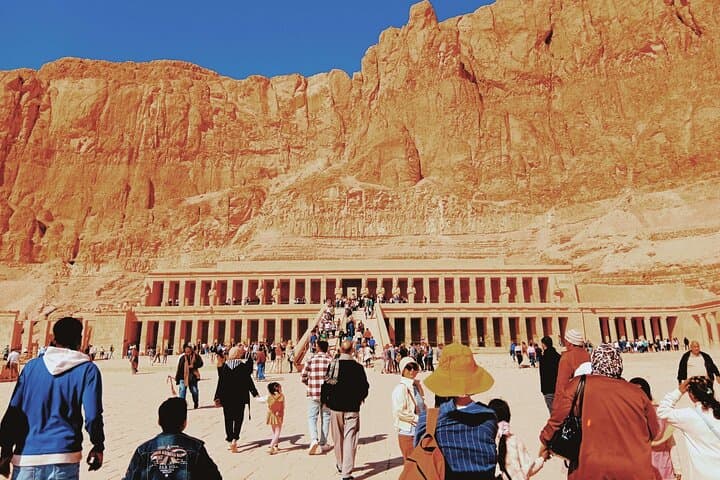
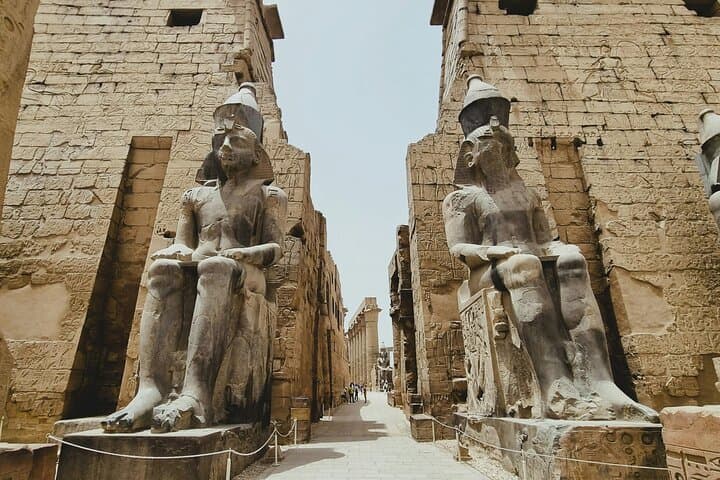
This route threads millennia: Giza’s royal tombs (Khufu, Khafre, Menkaure), the crowded galleries of the Egyptian Museum in Tahrir, Luxor’s Karnak and the Valley of the Kings on the West Bank, and Aswan’s granite quarries and Temple of Philae—saved stone-by-stone during UNESCO’s relocation project. Geology is visible in every place: cut limestone at Giza, Nubian granite at Aswan, and the alluvial terraces that made the Nile valley fertile for ancient civilization.
Culturally, expect living markets, Coptic and Islamic neighborhoods in Cairo, and Nubian influences in the south—local guides bridge past and present with concise context.
Practical guidance: tours include internal flights, AC transport and hotel pickups; plan light, breathable layers for daytime heat and a light jacket for cooler evenings. Comfortable walking shoes are essential—many sites have uneven stone steps and sandy paths. Stay hydrated, carry sunscreen, and budget time for security checks and site queues. With a private guide you’ll move efficiently between highlights while leaving time to listen to the river as it pushes past the islands of Aswan.
easy.
3 days.
Basic walking fitness; able to handle stairs, uneven stone surfaces, and short walks of 1–3 miles per day.
Yes—round-trip internal flights for the Cairo–Luxor–Aswan segments are included as part of the itinerary.
Expect moderate walking (1–3 miles/day) at archaeological sites with uneven surfaces and stairs; overall the tour is suitable for most fitness levels.
Entrance fees and three lunches are included; confirm any additional museum fees or optional site entries with your guide.
Full refund available if cancelled at least 24 hours before the scheduled departure; no refund for cancellations within 24 hours.
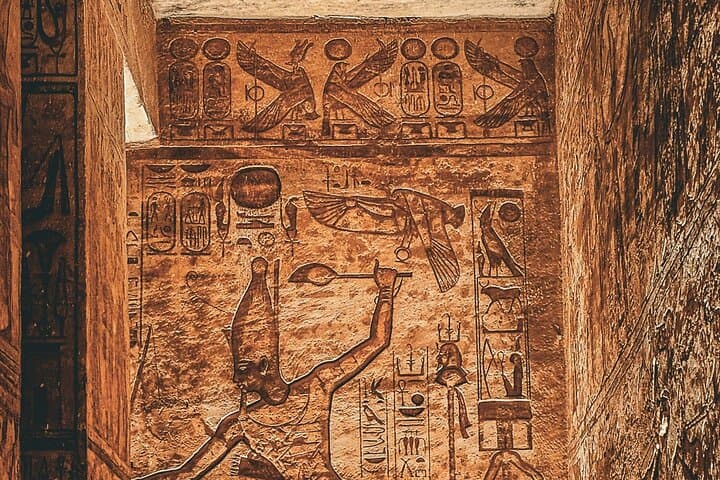
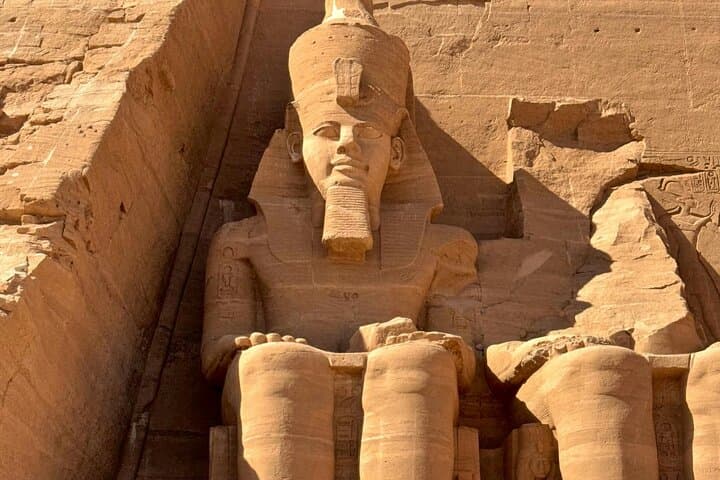
The itinerary follows Egypt’s pharaonic heartland—royal tombs and temples from the Old, Middle and New Kingdoms—plus modern interventions like the Aswan High Dam and Philae’s UNESCO relocation.
Wear soft-soled shoes, avoid touching painted surfaces and follow your guide’s instructions to minimize wear on fragile sites; support local communities by hiring licensed guides and buying from local artisans.
Egypt Travel Planning operates guided outdoor trips and adventures with an emphasis on safety, stewardship, and memorable experiences.
You step out onto the Giza Plateau as the morning light sharpens the edges of stone older than language. Wind brushes fine sand across the path; the Pyramids loom, mute and precise, while the Sphinx watches the horizon with the slow patience of carved limestone. Over three days you move from Cairo's busy streets to the calm sweep of the Nile at Aswan, tracing the spine of ancient Egypt.
You step out onto the Giza Plateau as the morning light sharpens the edges of stone older than language. Wind brushes fine sand across the path; the Pyramids loom, mute and precise, while the Sphinx watches the horizon with the slow patience of carved limestone. Over three days you move from Cairo's busy streets to the calm sweep of the Nile at Aswan, tracing the spine of ancient Egypt.
This route threads millennia: Giza’s royal tombs (Khufu, Khafre, Menkaure), the crowded galleries of the Egyptian Museum in Tahrir, Luxor’s Karnak and the Valley of the Kings on the West Bank, and Aswan’s granite quarries and Temple of Philae—saved stone-by-stone during UNESCO’s relocation project. Geology is visible in every place: cut limestone at Giza, Nubian granite at Aswan, and the alluvial terraces that made the Nile valley fertile for ancient civilization.
Culturally, expect living markets, Coptic and Islamic neighborhoods in Cairo, and Nubian influences in the south—local guides bridge past and present with concise context.
Practical guidance: tours include internal flights, AC transport and hotel pickups; plan light, breathable layers for daytime heat and a light jacket for cooler evenings. Comfortable walking shoes are essential—many sites have uneven stone steps and sandy paths. Stay hydrated, carry sunscreen, and budget time for security checks and site queues. With a private guide you’ll move efficiently between highlights while leaving time to listen to the river as it pushes past the islands of Aswan.