THE ADVENTURE COLLECTIVE® · Independent discovery and booking for outdoor travel

Spend a full day from Phuket exploring Phang Nga Bay’s limestone karsts by big boat and sea canoe. Paddle into Hongs and mangrove caves, visit James Bond Island, swim from a quiet sandbar, and return with photos and a deeper sense of the bay’s geology and coastal culture.
Spend a full day from Phuket exploring Phang Nga Bay’s limestone karsts by big boat and sea canoe. Paddle into Hongs and mangrove caves, visit James Bond Island, swim from a quiet sandbar, and return with photos and a deeper sense of the bay’s geology and coastal culture.
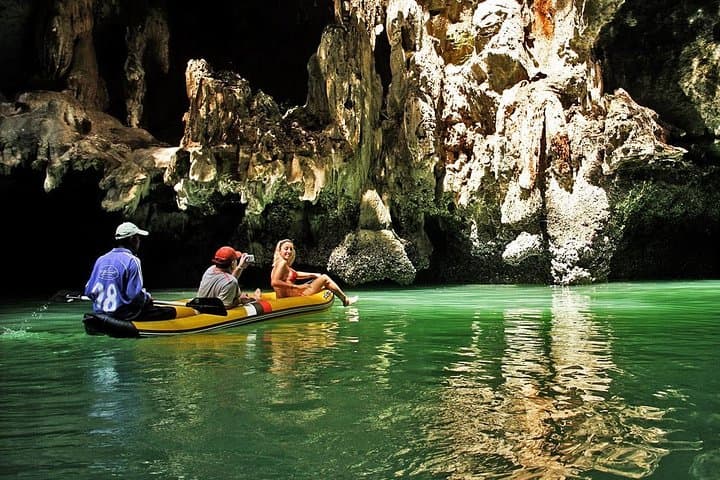
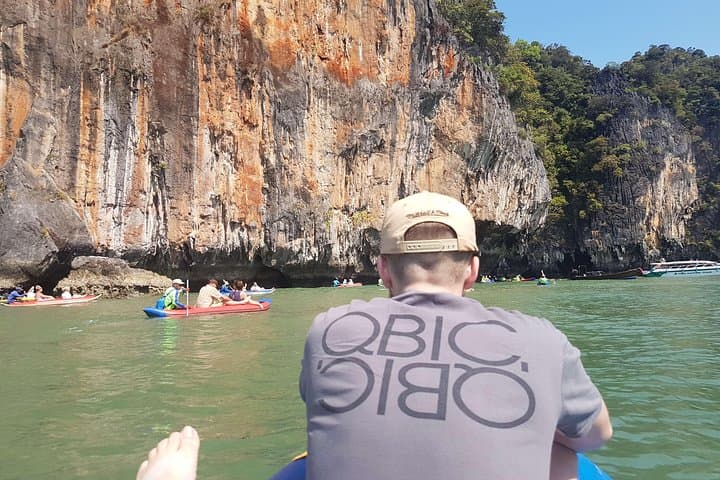
The boat slips away from Ao Po before dawn and the bay opens like a map of monoliths—limestone towers rising from skin-deep water, their faces slick with tide and bird calls. The ocean here dares you to look closer: sea caves mouthing into shaded lagoons, and narrow channels where the current nudges the canoe forward.
Verified experiences and guided adventures in the surrounding area.
Operated by My Phuket Travel · Phang Nga, Phang Nga Province
The boat slips away from Ao Po before dawn and the bay opens like a map of monoliths—limestone towers rising from skin-deep water, their faces slick with tide and bird calls. The ocean here dares you to look closer: sea caves mouthing into shaded lagoons, and narrow channels where the current nudges the canoe forward.
Geology wrote this coastline in coral and limestone over millions of years; rain and waves sculpted the karsts into the sheer cliffs and sea caves you'll paddle through. Cultural threads run alongside the rock—fisherfolk and floating villages adapted to tides and shallow reefs, while James Bond Island entered the global imagination after the 1974 film.
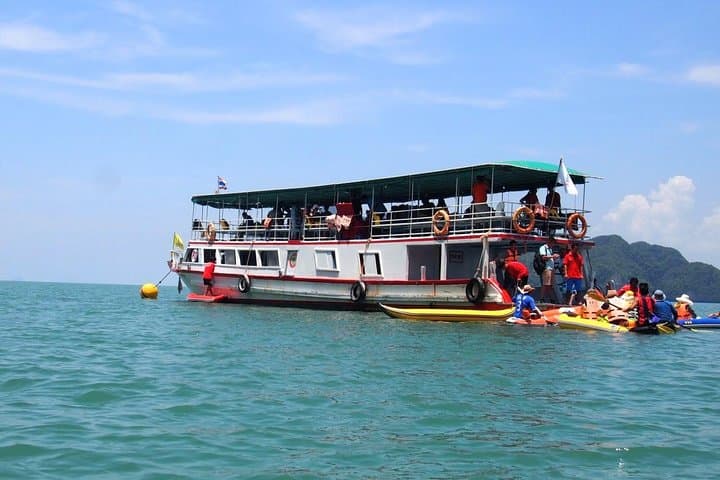
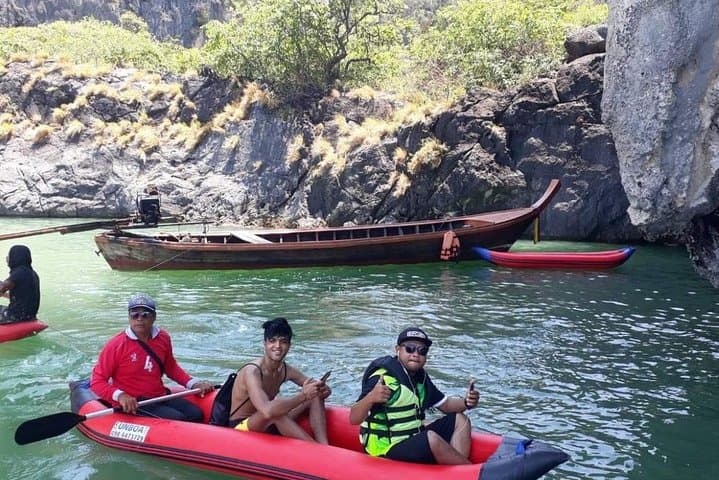
Expect a day-length outing: a big-boat transfer to quieter coves, guided sea-canoe sessions into the Hongs (open-roof caves), a shore stop at Khao Phing Kan (James Bond Island), and time for a swim and buffet lunch aboard. The guides handle launching and paddling instruction, so even first-timers can focus on the caves' cool hush and the birdlife circling the cliffs.
Practical notes: wear quick-dry layers, reef-safe sunscreen, and shoes that grip wet sand. Morning light is best for photos and calmer water; monsoon swells can make cave entries trickier from July–October. Hydrate, keep valuables in dry bags, and follow guides when entering low-ceiling passages—the tide and the rocks will set the rhythm. Leave no trace: the karsts are fragile, and small choices keep these channels open to future paddlers.
easy.
9 hours.
Suitable for most fitness levels; short paddling bursts are required but guides assist and swaps are allowed
The full-day tour runs about 9 hours, including hotel pickup, boat transfers, canoeing, lunch, and shore stops.
No—guides provide basic instruction and paddle escorts; canoe legs are short and suitable for first-timers.
Yes—Khao Phing Kan (James Bond Island) is a scheduled stop for photos and light shopping, typically mid- or late-morning.
Operators provide life jackets and monitor conditions; trips may be canceled or modified in rough weather for safety.
Phang Nga’s karst islands are uplifted coral and limestone; Khao Phing Kan gained international fame after featuring in the 1974 film The Man with the Golden Gun.
The bay’s karst and coral ecosystems are fragile—use reef-safe sunscreen, avoid touching rock and coral, and support operators who limit visitor impact.
My Phuket Travel operates guided outdoor trips and adventures with an emphasis on safety, stewardship, and memorable experiences.
The boat slips away from Ao Po before dawn and the bay opens like a map of monoliths—limestone towers rising from skin-deep water, their faces slick with tide and bird calls. The ocean here dares you to look closer: sea caves mouthing into shaded lagoons, and narrow channels where the current nudges the canoe forward.
The boat slips away from Ao Po before dawn and the bay opens like a map of monoliths—limestone towers rising from skin-deep water, their faces slick with tide and bird calls. The ocean here dares you to look closer: sea caves mouthing into shaded lagoons, and narrow channels where the current nudges the canoe forward.
Geology wrote this coastline in coral and limestone over millions of years; rain and waves sculpted the karsts into the sheer cliffs and sea caves you'll paddle through. Cultural threads run alongside the rock—fisherfolk and floating villages adapted to tides and shallow reefs, while James Bond Island entered the global imagination after the 1974 film.
Expect a day-length outing: a big-boat transfer to quieter coves, guided sea-canoe sessions into the Hongs (open-roof caves), a shore stop at Khao Phing Kan (James Bond Island), and time for a swim and buffet lunch aboard. The guides handle launching and paddling instruction, so even first-timers can focus on the caves' cool hush and the birdlife circling the cliffs.
Practical notes: wear quick-dry layers, reef-safe sunscreen, and shoes that grip wet sand. Morning light is best for photos and calmer water; monsoon swells can make cave entries trickier from July–October. Hydrate, keep valuables in dry bags, and follow guides when entering low-ceiling passages—the tide and the rocks will set the rhythm. Leave no trace: the karsts are fragile, and small choices keep these channels open to future paddlers.