THE ADVENTURE COLLECTIVE® · Independent discovery and booking for outdoor travel

Board a longtail boat in Phuket and spend a full day exploring Phang Nga Bay’s limestone karsts, the floating village of Ko Panyi, and sea caves by canoe. This tour mixes calm paddling, cultural stops, and dramatic coastal scenery for a hands-on coastal adventure.
Board a longtail boat in Phuket and spend a full day exploring Phang Nga Bay’s limestone karsts, the floating village of Ko Panyi, and sea caves by canoe. This tour mixes calm paddling, cultural stops, and dramatic coastal scenery for a hands-on coastal adventure.
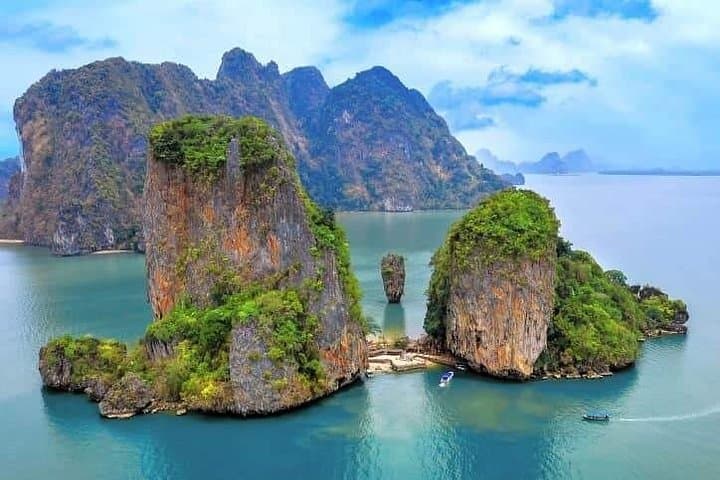
The engine's steady thrum drops as the longtail drifts into a cathedral of limestone—jagged karsts rising from green water like ancient columns. Morning light hits the sheer faces and the guide points to a narrow inlet; kayaks are unloaded and the group slips into quieter channels where mangroves tuck the water into shadow.
Verified experiences and guided adventures in the surrounding area.
Operated by TREVOPEDIA · Phuket, Phuket Province
The engine's steady thrum drops as the longtail drifts into a cathedral of limestone—jagged karsts rising from green water like ancient columns. Morning light hits the sheer faces and the guide points to a narrow inlet; kayaks are unloaded and the group slips into quieter channels where mangroves tuck the water into shadow.
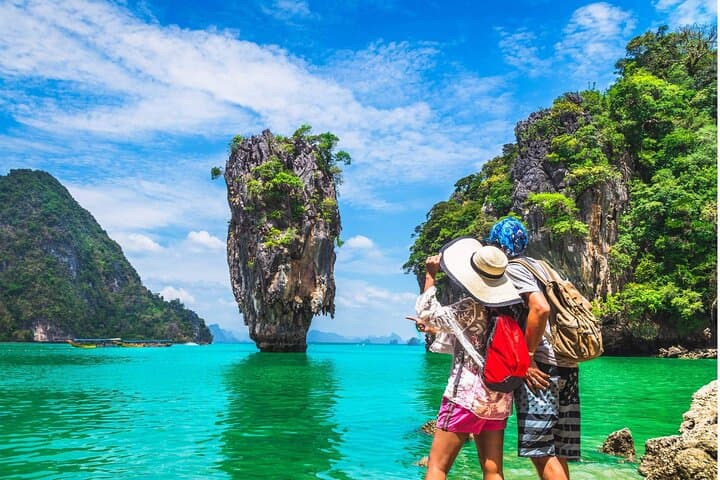
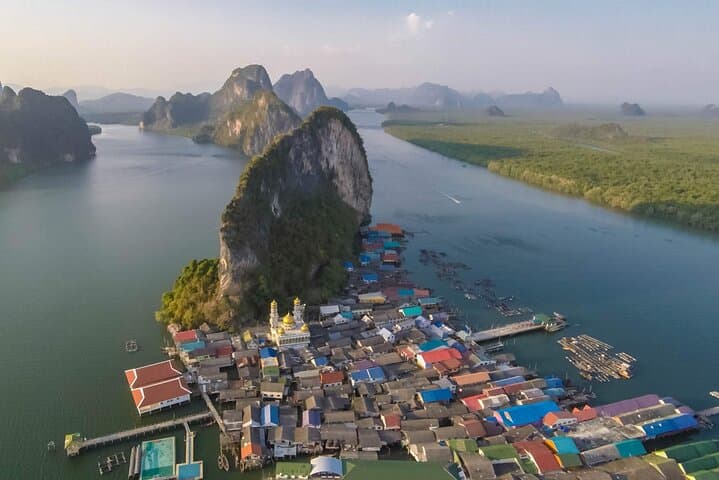
Phang Nga Bay is a geologic gallery: karst towers formed by millions of years of marine erosion, caves hollowed at high tide, and beaches of black-and-green sand. Ko Tapu (James Bond Island) became globally famous after film exposure in the 1970s, but the coastline’s history runs deeper—sea-based fishing communities like Ko Panyi adapted to life on stilts, while caves such as Suwan Khuha hold Buddhist shrines and local stories.
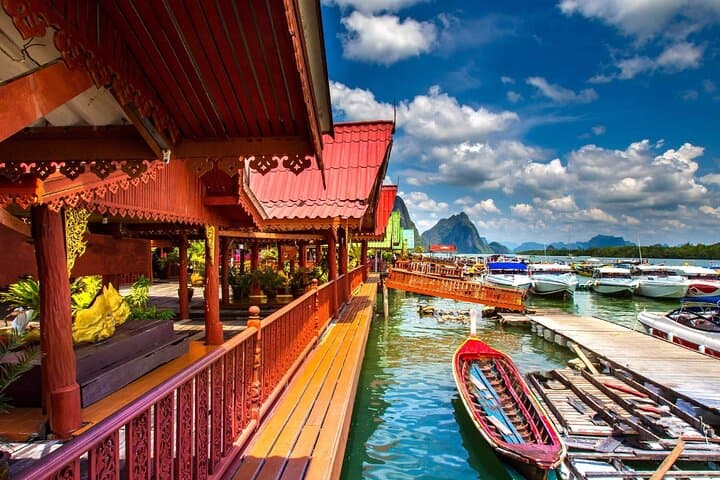
Expect a full day on water and shore. The trip alternates between open-sea cruising and hands-on canoeing through narrow waterways, with stops to explore Ko Panyi’s wooden walkways and a limestone cave with a seated Buddha. Water is typically calm in the morning; afternoons can bring more boat traffic and sun.
Practical notes: wear quick-dry clothes and reef-safe sunscreen, bring an aqua shoe for slippery rock and canoe boarding, and protect electronics in a dry bag. Hydrate between stops—tropical heat builds fast—and consider a light wind layer if sea breezes pick up. The tour is accessible to most fit travelers but requires basic paddling and nimble footing for boardings. Photographers should plan lens changes between protected bags and open decks; timing your visit early or late in the day improves light and reduces crowds.
moderate.
6–8 hours.
Reasonable mobility and stamina for several hours of sitting, short walks, and light paddling; suitable for most active travelers.
Expect a full-day excursion of roughly 6–8 hours door-to-door, including transfers and on-site time in Phang Nga Bay.
Yes—guided canoe sections are designed for novices with instructors and life jackets provided; basic paddling is all that’s required.
Most full-day tours include a stop at the floating village where you can walk wooden boardwalks, buy snacks, and observe daily life.
Swimming options vary by operator and tide; water near the karsts can be shallow or trafficked by boats, so follow guides’ advice.
The bay’s karst islands are ancient marine limestone uplifted and sculpted over millennia; Ko Panyi reflects a centuries-old seafaring adaptation where communities built homes on stilts above the water.
Ao Phang Nga National Park manages visitor numbers and protected zones—use reef-safe products, avoid touching corals and cliff formations, and follow guides to minimize disturbance.
TREVOPEDIA operates guided outdoor trips and adventures with an emphasis on safety, stewardship, and memorable experiences.
The engine's steady thrum drops as the longtail drifts into a cathedral of limestone—jagged karsts rising from green water like ancient columns. Morning light hits the sheer faces and the guide points to a narrow inlet; kayaks are unloaded and the group slips into quieter channels where mangroves tuck the water into shadow.
The engine's steady thrum drops as the longtail drifts into a cathedral of limestone—jagged karsts rising from green water like ancient columns. Morning light hits the sheer faces and the guide points to a narrow inlet; kayaks are unloaded and the group slips into quieter channels where mangroves tuck the water into shadow.
Phang Nga Bay is a geologic gallery: karst towers formed by millions of years of marine erosion, caves hollowed at high tide, and beaches of black-and-green sand. Ko Tapu (James Bond Island) became globally famous after film exposure in the 1970s, but the coastline’s history runs deeper—sea-based fishing communities like Ko Panyi adapted to life on stilts, while caves such as Suwan Khuha hold Buddhist shrines and local stories.
Expect a full day on water and shore. The trip alternates between open-sea cruising and hands-on canoeing through narrow waterways, with stops to explore Ko Panyi’s wooden walkways and a limestone cave with a seated Buddha. Water is typically calm in the morning; afternoons can bring more boat traffic and sun.
Practical notes: wear quick-dry clothes and reef-safe sunscreen, bring an aqua shoe for slippery rock and canoe boarding, and protect electronics in a dry bag. Hydrate between stops—tropical heat builds fast—and consider a light wind layer if sea breezes pick up. The tour is accessible to most fit travelers but requires basic paddling and nimble footing for boardings. Photographers should plan lens changes between protected bags and open decks; timing your visit early or late in the day improves light and reduces crowds.