THE ADVENTURE COLLECTIVE® · Independent discovery and booking for outdoor travel

Walk Phan Thiet’s busiest alleys and waterfront stalls on a guided 3–4 hour street food tour that samples chè, seafood snacks, and regional sauces. Expect market stops, live cooking demonstrations, and an English-speaking guide who navigates tastes and local customs.
Walk Phan Thiet’s busiest alleys and waterfront stalls on a guided 3–4 hour street food tour that samples chè, seafood snacks, and regional sauces. Expect market stops, live cooking demonstrations, and an English-speaking guide who navigates tastes and local customs.
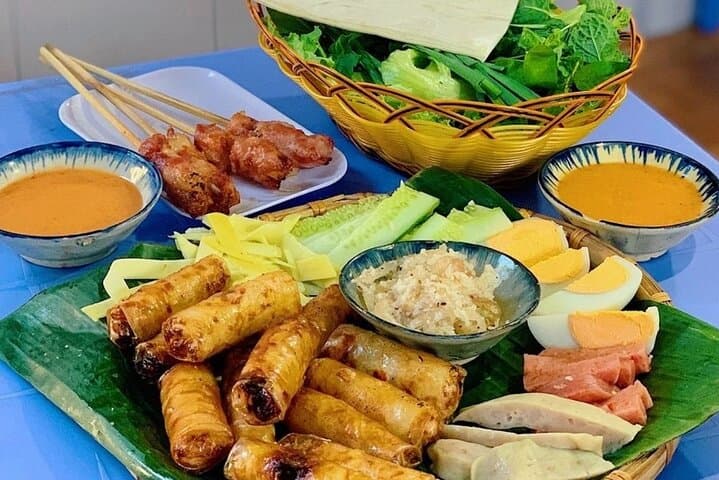
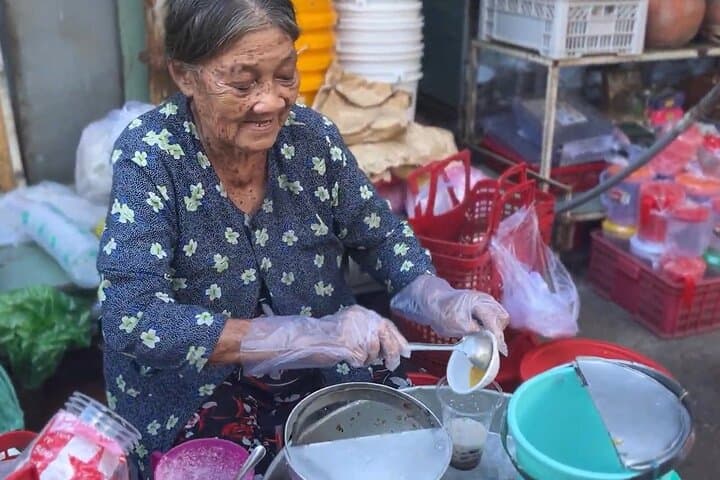
A humid dawn in Phan Thiet brings markets alive: stall tarps flap, vendors call, and steam rises from bowls of chè that feel like a local welcome. The tour threads through side streets and the waterfront, where the sea’s briny air nudges the scent of grilled fish and lemongrass toward the walker. It’s sensory, direct, and organized around small bites rather than a single sit-down meal.
Verified experiences and guided adventures in the surrounding area.
Operated by MUINE EXPRESS · Phan Thiet, Binh Thuan
A humid dawn in Phan Thiet brings markets alive: stall tarps flap, vendors call, and steam rises from bowls of chè that feel like a local welcome. The tour threads through side streets and the waterfront, where the sea’s briny air nudges the scent of grilled fish and lemongrass toward the walker. It’s sensory, direct, and organized around small bites rather than a single sit-down meal.
Phan Thiet’s food culture grew from a working fishing port and nearby salt flats; flavors are compact and salty, often accented with lime, fish sauce, and spicy chilis. The town’s cuisine reflects Cham, Chinese, and Vietnamese influences — expect layered sauces and seafood-forward dishes prepared on street-level woks. Geologically, the coastline and nearby red sand dunes shape local agriculture and markets: tropical fruit, dried seafood, and salt are staples.
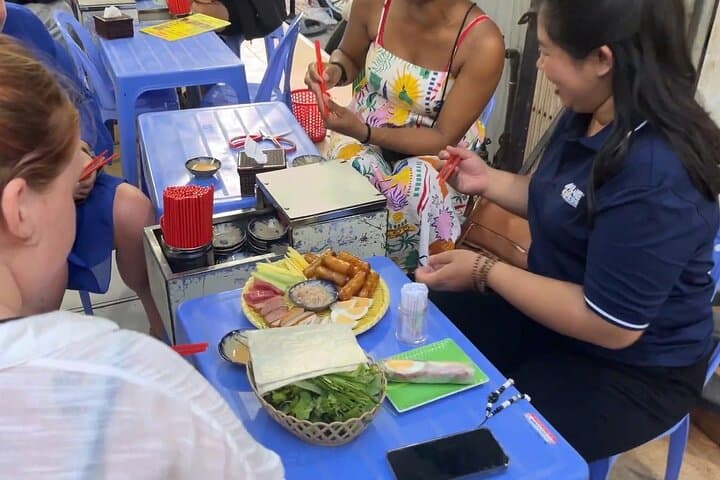
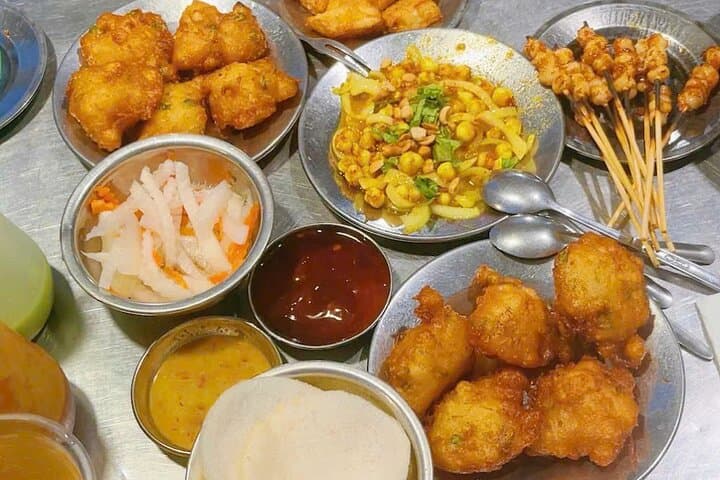
Practically, the experience is a 3–4 hour guided walk with short rides in a shared air-conditioned car between stops. Travelers listen to preparation stories, sample chè and signature street plates, and watch cooks assemble sauces and skewers. Bring cash for incidental purchases, wear closed-toe shoes for uneven alleys, and pace yourself—portions are tasting-sized but rich.
Timing matters: evenings animate the streets, while early market visits show raw ingredients at their freshest. Hydrate — bottled water is usually provided — and be ready to communicate dietary needs; guides commonly accommodate vegetarians with advance notice. The tour balances discovery and logistics, offering a compact way to taste Phan Thiet’s working-food culture without guessing at where to sit or what to order.
easy.
3–4 hours.
Suitable for most fitness levels; requires walking short distances and standing during tastings.
The tour runs about 3–4 hours, combining walking and short transfers in a shared air-conditioned vehicle.
Yes—infants are allowed (often required to sit on laps); stroller access is possible but some alleys may be tight.
Yes—advance notice is recommended so the guide can tailor stops; some dishes are seafood-forward and may require substitutes.
Full refunds are available if you cancel at least 24 hours before the scheduled departure; policies may vary for last-minute changes.
Phan Thiet evolved as a fishing and salt-producing town with Cham and colonial-era influences that shaped local dishes and market culture.
Support vendors who minimize single-use plastics, avoid purchasing protected marine species, and follow local guidance to reduce waste in busy market areas.
MUINE EXPRESS operates guided outdoor trips and adventures with an emphasis on safety, stewardship, and memorable experiences.
A humid dawn in Phan Thiet brings markets alive: stall tarps flap, vendors call, and steam rises from bowls of chè that feel like a local welcome. The tour threads through side streets and the waterfront, where the sea’s briny air nudges the scent of grilled fish and lemongrass toward the walker. It’s sensory, direct, and organized around small bites rather than a single sit-down meal.
A humid dawn in Phan Thiet brings markets alive: stall tarps flap, vendors call, and steam rises from bowls of chè that feel like a local welcome. The tour threads through side streets and the waterfront, where the sea’s briny air nudges the scent of grilled fish and lemongrass toward the walker. It’s sensory, direct, and organized around small bites rather than a single sit-down meal.
Phan Thiet’s food culture grew from a working fishing port and nearby salt flats; flavors are compact and salty, often accented with lime, fish sauce, and spicy chilis. The town’s cuisine reflects Cham, Chinese, and Vietnamese influences — expect layered sauces and seafood-forward dishes prepared on street-level woks. Geologically, the coastline and nearby red sand dunes shape local agriculture and markets: tropical fruit, dried seafood, and salt are staples.
Practically, the experience is a 3–4 hour guided walk with short rides in a shared air-conditioned car between stops. Travelers listen to preparation stories, sample chè and signature street plates, and watch cooks assemble sauces and skewers. Bring cash for incidental purchases, wear closed-toe shoes for uneven alleys, and pace yourself—portions are tasting-sized but rich.
Timing matters: evenings animate the streets, while early market visits show raw ingredients at their freshest. Hydrate — bottled water is usually provided — and be ready to communicate dietary needs; guides commonly accommodate vegetarians with advance notice. The tour balances discovery and logistics, offering a compact way to taste Phan Thiet’s working-food culture without guessing at where to sit or what to order.