THE ADVENTURE COLLECTIVE® · Independent discovery and booking for outdoor travel

A steep half-day climb from Thimphu to Phajoding Monastery that compresses Bhutan’s spiritual and alpine character into one sustained ascent. Expect pine forests, prayer flags, monk chants and sweeping valley views—plus altitude and a solid workout.
A steep half-day climb from Thimphu to Phajoding Monastery that compresses Bhutan’s spiritual and alpine character into one sustained ascent. Expect pine forests, prayer flags, monk chants and sweeping valley views—plus altitude and a solid workout.
The trail slips away from Thimphu’s bustle and climbs into a blue-pine world where prayer flags flap like sentinels of wind.
Verified experiences and guided adventures in the surrounding area.
Operated by BARBIL TOURS · Thimphu, Thimphu District
The trail slips away from Thimphu’s bustle and climbs into a blue-pine world where prayer flags flap like sentinels of wind.
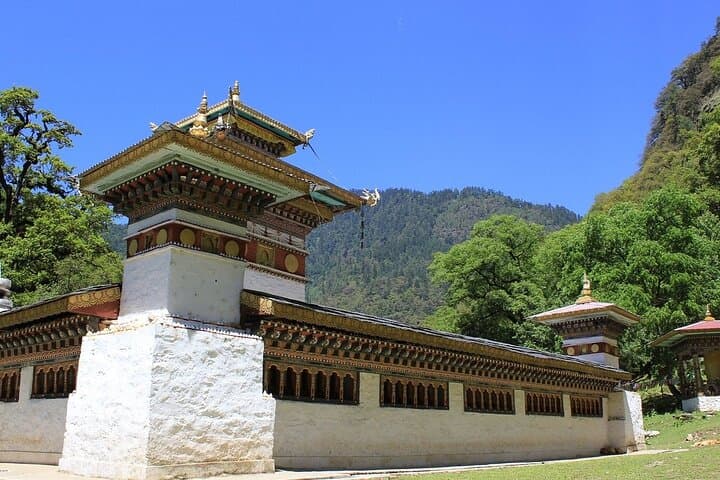
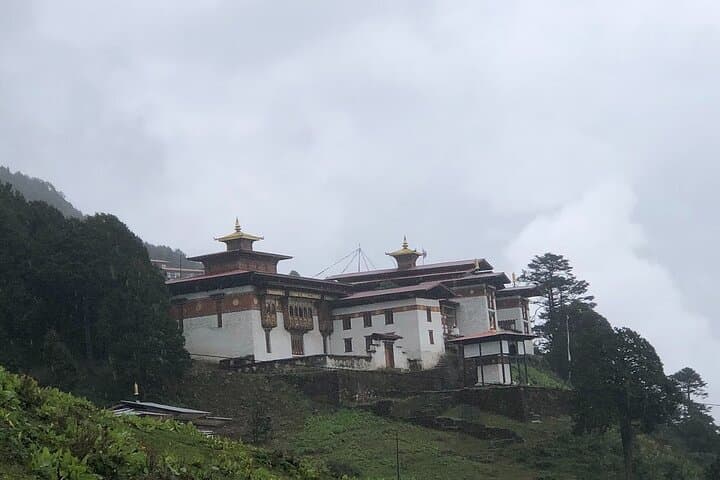
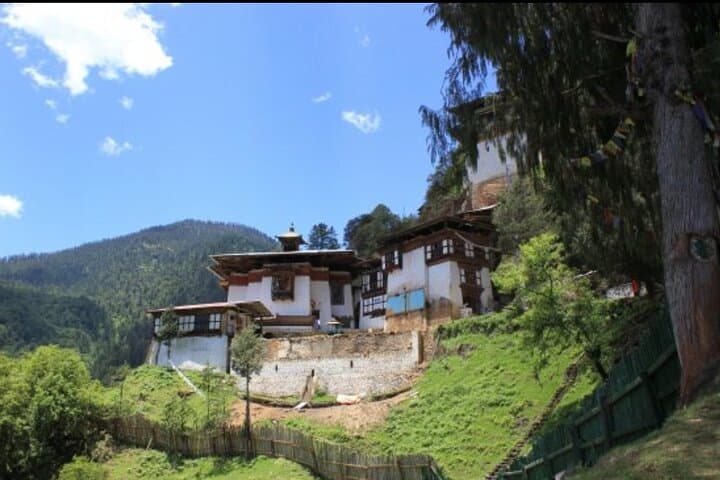
Beginning at Sangaygang near the BBS Tower, hikers move up a 5 km route that gains roughly 1,200 m to reach Phajoding Monastery at about 3,600 m. The path threads rhododendrons and oaks, opens into alpine meadows and finally reveals the monastery’s whitewashed temples and monk quarters overlooking Thimphu Valley.
Phajoding is part of the Drukpa Kagyu monastic tradition and has grown in increments over centuries; the complex’s clustered chapels and mani walls reflect Bhutan’s layered religious history. Geologically, the ridge is a Himalayan outcrop—steep slopes carved by glacial and fluvial forces—so drainage, scree and exposed roots appear on steeper sections.
Culturally the site is active: you may hear monks chanting and see butter lamps or circumambulating pilgrims. Respectful quiet and modest dress are expected.
Practically, expect a sustained uphill of 3–4 hours, thin air and a mix of packed-earth trail, stone steps and occasional scree. Carry warm layers, sun protection and 1–2 liters of water. The descent is quicker but requires steady footing.
Guides typically include round-trip transport from Thimphu and will time the climb for clear views; early starts avoid afternoon clouds and give better light for the valley panorama. For acclimatization, limit heavy exertion in Thimphu the day before and monitor breathing on the ascent.
challenging.
6–8 hours.
Good cardiovascular fitness and experience with sustained uphill hiking; comfortable with high-elevation exertion.
Yes — all visitors to Bhutan travel under an official visa and daily tariff arranged through a licensed operator; confirm paperwork with your tour provider before arrival.
The hike gains ~1,200 m over about 5 km; it’s steep and sustained. People with cardiovascular or serious spinal conditions, or pregnant travelers, should avoid it.
Facilities at the trailhead and at some roadside stops exist, but there are limited services on the mountain — plan accordingly.
Fit, acclimatized older children who can handle sustained uphill walking may do it; consider age, experience and altitude effects before booking.
Phajoding belongs to the Drukpa Kagyu lineage; its chapels and monk quarters accumulated over centuries and function as an active spiritual complex above Thimphu.
The alpine environment is fragile—stay on trail, pack out waste and avoid disturbing vegetation or religious sites to limit erosion and cultural impact.
BARBIL TOURS operates guided outdoor trips and adventures with an emphasis on safety, stewardship, and memorable experiences.
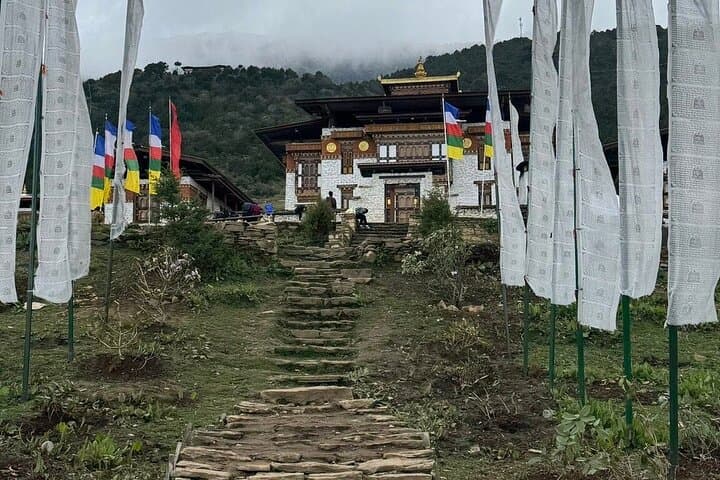
The trail slips away from Thimphu’s bustle and climbs into a blue-pine world where prayer flags flap like sentinels of wind.
The trail slips away from Thimphu’s bustle and climbs into a blue-pine world where prayer flags flap like sentinels of wind.
Beginning at Sangaygang near the BBS Tower, hikers move up a 5 km route that gains roughly 1,200 m to reach Phajoding Monastery at about 3,600 m. The path threads rhododendrons and oaks, opens into alpine meadows and finally reveals the monastery’s whitewashed temples and monk quarters overlooking Thimphu Valley.
Phajoding is part of the Drukpa Kagyu monastic tradition and has grown in increments over centuries; the complex’s clustered chapels and mani walls reflect Bhutan’s layered religious history. Geologically, the ridge is a Himalayan outcrop—steep slopes carved by glacial and fluvial forces—so drainage, scree and exposed roots appear on steeper sections.
Culturally the site is active: you may hear monks chanting and see butter lamps or circumambulating pilgrims. Respectful quiet and modest dress are expected.
Practically, expect a sustained uphill of 3–4 hours, thin air and a mix of packed-earth trail, stone steps and occasional scree. Carry warm layers, sun protection and 1–2 liters of water. The descent is quicker but requires steady footing.
Guides typically include round-trip transport from Thimphu and will time the climb for clear views; early starts avoid afternoon clouds and give better light for the valley panorama. For acclimatization, limit heavy exertion in Thimphu the day before and monitor breathing on the ascent.