THE ADVENTURE COLLECTIVE® · Independent discovery and booking for outdoor travel

A classic 3-day traverse of Serra dos Órgãos, the Petrópolis–Teresópolis Trekking Expedition covers ~32 km of steep ascents, exposed ridgelines and high-mountain camping. Expect granite summits, dramatic views back toward Rio de Janeiro and technical passages that reward fit, prepared hikers.
A classic 3-day traverse of Serra dos Órgãos, the Petrópolis–Teresópolis Trekking Expedition covers ~32 km of steep ascents, exposed ridgelines and high-mountain camping. Expect granite summits, dramatic views back toward Rio de Janeiro and technical passages that reward fit, prepared hikers.
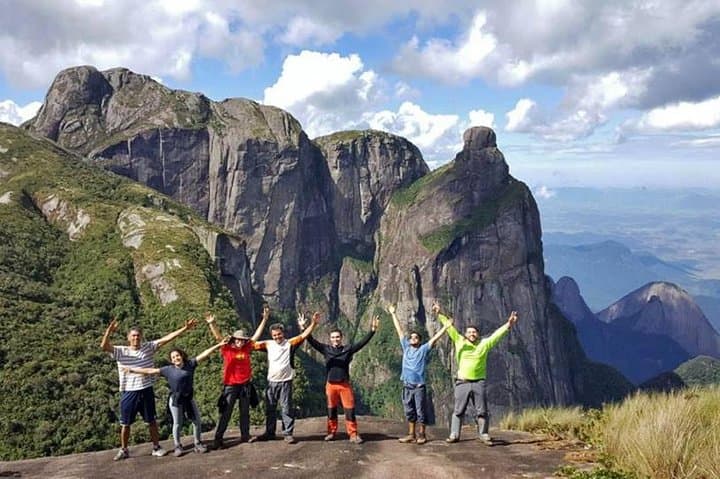
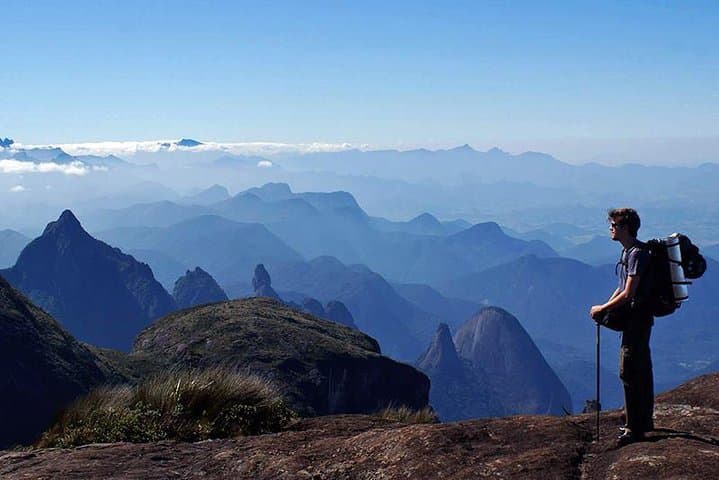
You step out of the van into a sudden hush: the Atlantic Forest clamps down around you, humidity and birdcalls pressing close while the ridge above juts like a stone spine. The Petrópolis–Teresópolis crossing threads that spine for three days, running roughly 32 km over steep granite shoulders, ladders of steel rebar and exposed scrambles that demand steady feet and steady breath.
Verified experiences and guided adventures in the surrounding area.
Operated by Nattrip - Tourism, Ecotourism and Adventure in Rio de Janeiro · Teresópolis, Rio de Janeiro
You step out of the van into a sudden hush: the Atlantic Forest clamps down around you, humidity and birdcalls pressing close while the ridge above juts like a stone spine. The Petrópolis–Teresópolis crossing threads that spine for three days, running roughly 32 km over steep granite shoulders, ladders of steel rebar and exposed scrambles that demand steady feet and steady breath.
The route follows old footpaths that have linked mountain towns for generations and now slices through Serra dos Órgãos National Park, where granite towers were carved by tectonic uplift and erosion into jagged summits. Local culture still measures time by the weather on the ridgelines; shepherded camps and small shelters mark traditional stopping points. Geologically, these peaks are Precambrian granites and gneiss—hard rock that gives the trail its dramatic verticality and sudden viewpoints.
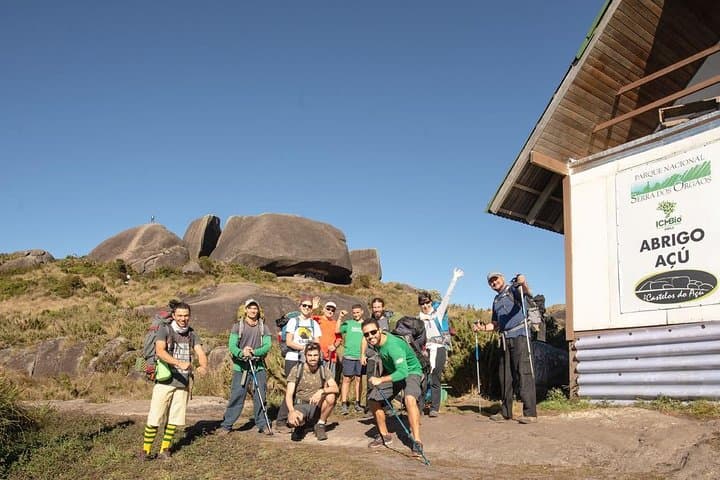
Expect long climbs (day one gains ~1,100 m to Castelos do Açu), high-altitude ridge hiking around 2,000–2,275 m on day two (Pedra do Sino), and a descending final day passing waterfalls and the Veu de Noiva before finishing at Teresópolis.
Practicalities: the expedition is fully supported—tents, meals, guides and satellite tracking are included—but you carry a personal pack. Wear broken-in boots, plan for rapid weather changes (rain, wind and cold above 2,000 m), and allow time for the technical sections—the Isabeloca and the Cavalinho require careful movement. Hydrate, use a headlamp for camp, and pack layers: the mountains will push and soften you in equal measure.
challenging.
3 days (approx. 32 km total).
Requires a high level of cardiovascular fitness and experience with sustained uphill hiking and multi-day loads
There are exposed scrambles, a steep rebar ladder called "The Elevator," and narrow rock moves like the "Cavalinho"; guides provide rope and assistance but comfort on exposure is required.
No formal mountaineering certification is needed, but experience with multi-day backcountry hiking, scrambling and moving on steep terrain is essential.
Transfers from Rio, guides, tents, group safety equipment (ropes, collective first aid), some meals, satellite tracking and drop-off at Teresópolis are included per the listing.
Dry-season months (May–September) usually offer more stable weather and clearer summit views, though conditions can change quickly at altitude.
The mountain tracks trace routes used by local communities and early naturalists; the area became a national park in 1982 to protect the unique Atlantic Forest and its towering granite formations.
Stay strictly on trail, pack out waste, and follow park rules—the Atlantic Forest is highly fragmented, so erosion and litter have outsized local impact.
Nattrip - Tourism, Ecotourism and Adventure in Rio de Janeiro operates guided outdoor trips and adventures with an emphasis on safety, stewardship, and memorable experiences.
You step out of the van into a sudden hush: the Atlantic Forest clamps down around you, humidity and birdcalls pressing close while the ridge above juts like a stone spine. The Petrópolis–Teresópolis crossing threads that spine for three days, running roughly 32 km over steep granite shoulders, ladders of steel rebar and exposed scrambles that demand steady feet and steady breath.
You step out of the van into a sudden hush: the Atlantic Forest clamps down around you, humidity and birdcalls pressing close while the ridge above juts like a stone spine. The Petrópolis–Teresópolis crossing threads that spine for three days, running roughly 32 km over steep granite shoulders, ladders of steel rebar and exposed scrambles that demand steady feet and steady breath.
The route follows old footpaths that have linked mountain towns for generations and now slices through Serra dos Órgãos National Park, where granite towers were carved by tectonic uplift and erosion into jagged summits. Local culture still measures time by the weather on the ridgelines; shepherded camps and small shelters mark traditional stopping points. Geologically, these peaks are Precambrian granites and gneiss—hard rock that gives the trail its dramatic verticality and sudden viewpoints.
Expect long climbs (day one gains ~1,100 m to Castelos do Açu), high-altitude ridge hiking around 2,000–2,275 m on day two (Pedra do Sino), and a descending final day passing waterfalls and the Veu de Noiva before finishing at Teresópolis.
Practicalities: the expedition is fully supported—tents, meals, guides and satellite tracking are included—but you carry a personal pack. Wear broken-in boots, plan for rapid weather changes (rain, wind and cold above 2,000 m), and allow time for the technical sections—the Isabeloca and the Cavalinho require careful movement. Hydrate, use a headlamp for camp, and pack layers: the mountains will push and soften you in equal measure.