THE ADVENTURE COLLECTIVE® · Independent discovery and booking for outdoor travel

Ascend to the Petronas Twin Towers observation deck and walk the world’s highest two-story skybridge for panoramic views of Kuala Lumpur. This guide explains what to expect, when to go, and how to prepare for a timed e-ticket visit.
Ascend to the Petronas Twin Towers observation deck and walk the world’s highest two-story skybridge for panoramic views of Kuala Lumpur. This guide explains what to expect, when to go, and how to prepare for a timed e-ticket visit.
The elevator hums like a focused engine and, in less than a minute, Kuala Lumpur slips into a panoramic frame. From Level 86 and the double-decker skybridge, the city unfolds in grids and green pockets—streets pool with traffic, KLCC Park breathes below, and afternoon clouds scud over the horizon.
Verified experiences and guided adventures in the surrounding area.
Operated by Royal Smart Tourism · Kuala Lumpur, Kuala Lumpur
The elevator hums like a focused engine and, in less than a minute, Kuala Lumpur slips into a panoramic frame. From Level 86 and the double-decker skybridge, the city unfolds in grids and green pockets—streets pool with traffic, KLCC Park breathes below, and afternoon clouds scud over the horizon.
Completed in 1998 and designed by César Pelli, the Petronas Twin Towers were once the world’s tallest buildings and remain an icon of Malaysia’s late-20th-century growth. Built on deep foundations to counter soft soil, the twin concrete-and-steel spires combine modern engineering with Islamic geometric motifs that reference local culture.
The experience is as much urban as scenic: guides point out Perdana Botanical Garden to the west, the winding Klang River to the north, and the contrast between gleaming towers and older colonial neighborhoods. Nearby, the KLCC area hosts contemporary Malaysian dining and evening light shows that add context to the view from above.
Practical side: book a timed e-ticket to avoid long queues, arrive 30 minutes early to clear security, and carry valid ID—tickets are tied to a time and non-refundable. Visibility varies with tropical weather; mornings and late afternoons usually offer the clearest light. Expect indoor observation spaces and a walk across the skybridge that gives a slight sense of movement as the two towers respond to wind. Security and accessibility measures are in place, but the visit isn’t recommended for anyone with serious spinal or cardiovascular conditions.
Bring a camera, lightweight layers for air-conditioning, and time to explore KLCC Park and the adjacent Suria KLCC mall after your visit.
easy.
1 hour.
Suitable for all fitness levels; requires standing and brief walking.
The standard visit is about 60 minutes, including the elevator ride, observation level, and skybridge walk.
Tickets are fixed to the selected date and time; changes or cancellations are not permitted after purchase.
Yes, the observation deck and public areas have accessibility accommodations—notify staff of special requirements when booking.
Children under 18 must be accompanied by fully vaccinated adults; check the operator’s current entry rules before traveling.
The towers opened in 1998 and symbolized Malaysia’s economic rise; their design blends modern materials with Islamic geometric patterns.
High visitor numbers require adherence to site rules—avoid littering, stay on marked routes, and support local vendors to help maintain the precinct.
Royal Smart Tourism operates guided outdoor trips and adventures with an emphasis on safety, stewardship, and memorable experiences.
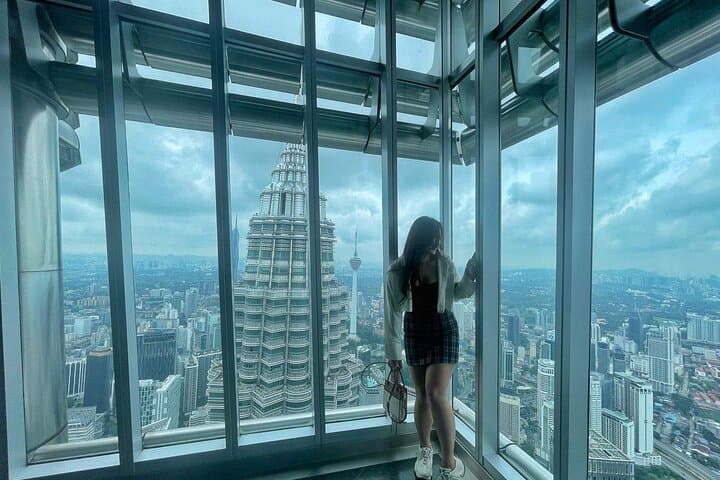
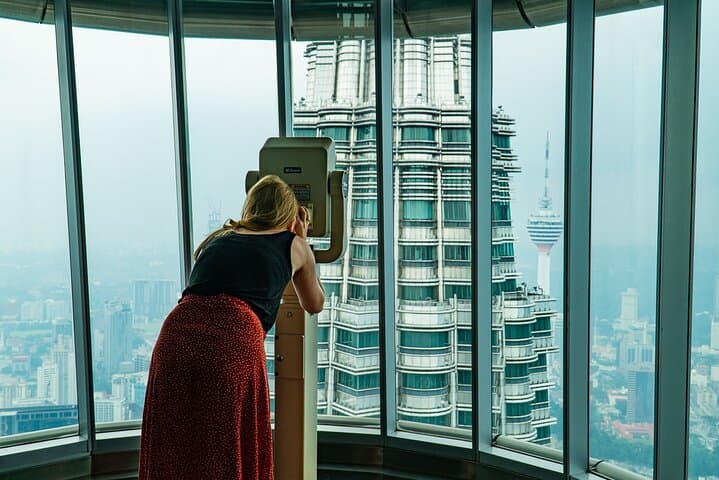

The elevator hums like a focused engine and, in less than a minute, Kuala Lumpur slips into a panoramic frame. From Level 86 and the double-decker skybridge, the city unfolds in grids and green pockets—streets pool with traffic, KLCC Park breathes below, and afternoon clouds scud over the horizon.
The elevator hums like a focused engine and, in less than a minute, Kuala Lumpur slips into a panoramic frame. From Level 86 and the double-decker skybridge, the city unfolds in grids and green pockets—streets pool with traffic, KLCC Park breathes below, and afternoon clouds scud over the horizon.
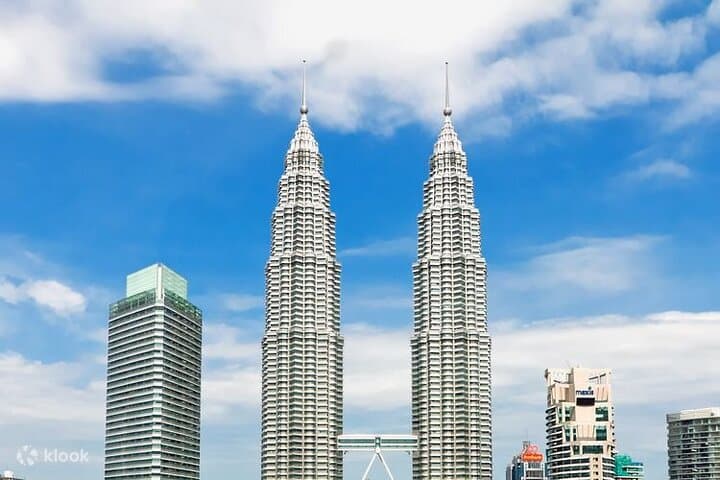
Completed in 1998 and designed by César Pelli, the Petronas Twin Towers were once the world’s tallest buildings and remain an icon of Malaysia’s late-20th-century growth. Built on deep foundations to counter soft soil, the twin concrete-and-steel spires combine modern engineering with Islamic geometric motifs that reference local culture.
The experience is as much urban as scenic: guides point out Perdana Botanical Garden to the west, the winding Klang River to the north, and the contrast between gleaming towers and older colonial neighborhoods. Nearby, the KLCC area hosts contemporary Malaysian dining and evening light shows that add context to the view from above.
Practical side: book a timed e-ticket to avoid long queues, arrive 30 minutes early to clear security, and carry valid ID—tickets are tied to a time and non-refundable. Visibility varies with tropical weather; mornings and late afternoons usually offer the clearest light. Expect indoor observation spaces and a walk across the skybridge that gives a slight sense of movement as the two towers respond to wind. Security and accessibility measures are in place, but the visit isn’t recommended for anyone with serious spinal or cardiovascular conditions.
Bring a camera, lightweight layers for air-conditioning, and time to explore KLCC Park and the adjacent Suria KLCC mall after your visit.