THE ADVENTURE COLLECTIVE® · Independent discovery and booking for outdoor travel

Paddle the Petrohué’s Class III–IV rapids beneath snowcapped Osorno and Puntiagudo on a half-day rafting excursion from Puerto Varas. Expect hands-on paddling, volcanic rock gorges, and a post-run Pisco Sour back at base.
Paddle the Petrohué’s Class III–IV rapids beneath snowcapped Osorno and Puntiagudo on a half-day rafting excursion from Puerto Varas. Expect hands-on paddling, volcanic rock gorges, and a post-run Pisco Sour back at base.
The raft hits the river and everything changes: the Petrohué becomes a traveling force, pushing and teasing, corralling you through choppy whitewater carved between black volcanic rocks. From the first bend the Andes loom like a group of slow-moving giants—Osorno’s conical flank stitched with snow and the steepled Puntiagudo poking the sky. For about two hours of active paddling you trade postcard views for the immediate work of balance, timing, and the satisfying bite of an oar taking water.
Verified experiences and guided adventures in the surrounding area.
Operated by Tangol · Puerto Varas, Los Lagos Region
The raft hits the river and everything changes: the Petrohué becomes a traveling force, pushing and teasing, corralling you through choppy whitewater carved between black volcanic rocks. From the first bend the Andes loom like a group of slow-moving giants—Osorno’s conical flank stitched with snow and the steepled Puntiagudo poking the sky. For about two hours of active paddling you trade postcard views for the immediate work of balance, timing, and the satisfying bite of an oar taking water.
This stretch of river drains Lake Todos los Santos and threads through Vicente Pérez Rosales National Park, a place where glaciers and volcanic eruptions shaped sudden drops and polished boulders that now hoist the rapids to Class III and IV. The area was long traveled by Mapuche-Huilliche people, and later by settlers who used the lake and river as natural highways before roads arrived. Today, the park’s trails and viewpoints give a different kind of access: you can watch the river’s fury from the shore, or be in it.
Geology is literal here—the river runs over basalt and ash deposits left by the region’s frequent eruptions. The water’s green comes from mountain-fed lakes; sunlight flickers through the spray and the current that moves you downstream feels purposeful, as if the river itself is showing you the route.
Locals in Puerto Varas and nearby Ensenada keep a quiet pride in these rapids. Guides are typically experienced rafters and mountain guides who read the water like a second language; they’ll walk you through rescue commands, the correct low-brace position, and how to trust the person beside you. The season runs September through March when water levels and weather make the route safest and most dynamic.
Practical side: the full experience runs about four hours with hotel pickup from Puerto Varas, a safety briefing at the base, transport to the launch point, and a post-raft snack and Pisco Sour at return. You’ll get full rafting kit and a guide; children under 13 and guests with certain medical constraints are not advised. Expect active paddling and intermittent spray—this is not a float trip.
To prepare, bring a quick-dry base layer, secure shoes, sunscreen, and a sense of teamwork. Hydrate the morning of the trip; avoid heavy meals immediately before rafting. If you want photos, give your phone to the guide at scheduled stops or use a small waterproof case—attempting to shoot while paddling wastes energy and risks gear.
Petrohue River rafting is part exhilaration, part landscape lesson—the kind of outing that leaves you wetter, louder, and closer to the mountains than a viewpoint ever will.
moderate.
4 hours (approx).
Should be comfortable with sustained paddling, able to follow instructions, and in moderate cardiovascular shape.
The active rafting segment lasts about two hours; the full excursion including transfers, briefing, and snack runs about four hours.
Children under 13 are not permitted; participants should meet minimum age and physical fitness requirements provided at booking.
No—guides provide a safety briefing and basic paddling instruction, though being comfortable in water and able to follow commands is important.
Tours can be canceled for safety in poor weather or high water; the operator may reschedule or cancel with the policy shown at booking.
No—life jackets, helmets, and technical rafting gear are provided by the operator as part of the excursion.
Most bookings include pickup from centrally located hotels in Puerto Varas; otherwise the operator will confirm the nearest meeting point when you book.
The river corridor was a corridor for indigenous Mapuche-Huilliche peoples and later served settlers who moved goods between lakes and fjords; the national park preserves those travel routes and volcanic landscapes.
Vicente Pérez Rosales National Park limits infrastructure and monitors river use to protect aquatic habitats; stick to guide instructions and avoid leaving gear or trash on shore.
Tangol operates guided outdoor trips and adventures with an emphasis on safety, stewardship, and memorable experiences.
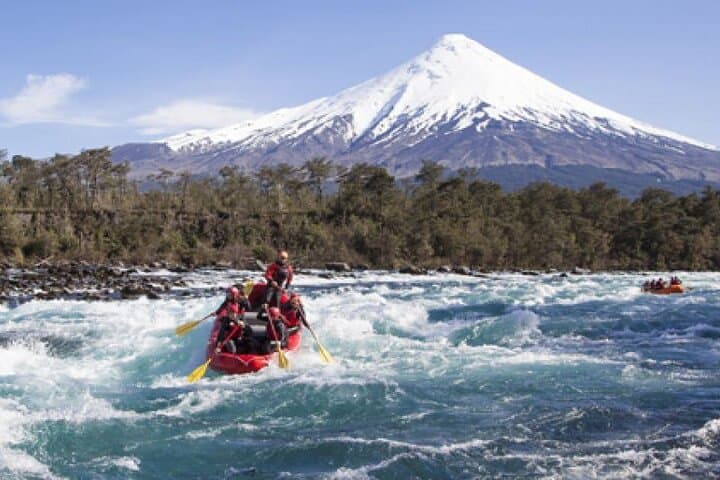
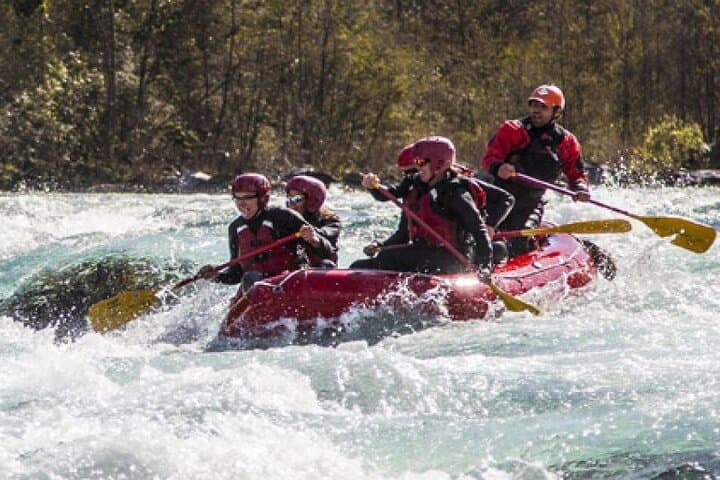
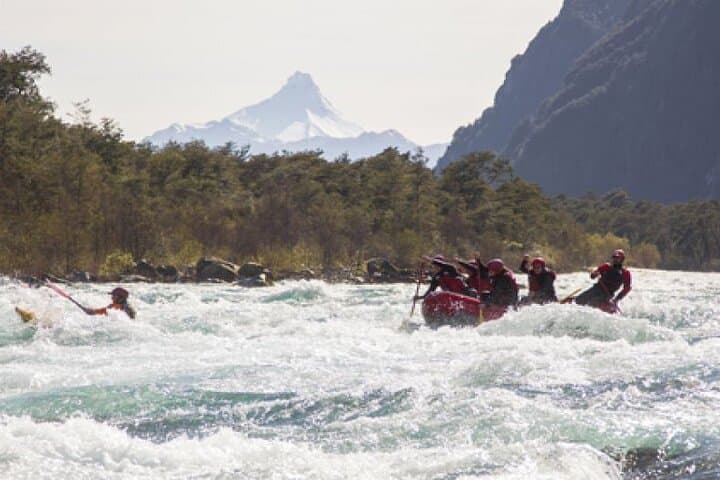
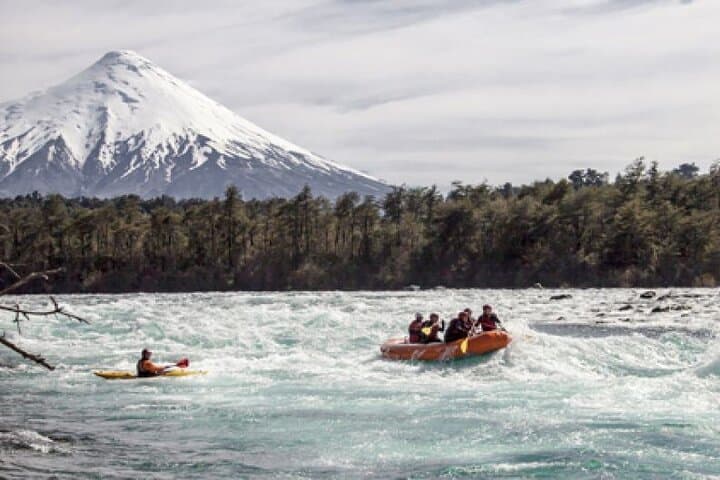
The raft hits the river and everything changes: the Petrohué becomes a traveling force, pushing and teasing, corralling you through choppy whitewater carved between black volcanic rocks. From the first bend the Andes loom like a group of slow-moving giants—Osorno’s conical flank stitched with snow and the steepled Puntiagudo poking the sky. For about two hours of active paddling you trade postcard views for the immediate work of balance, timing, and the satisfying bite of an oar taking water.
The raft hits the river and everything changes: the Petrohué becomes a traveling force, pushing and teasing, corralling you through choppy whitewater carved between black volcanic rocks. From the first bend the Andes loom like a group of slow-moving giants—Osorno’s conical flank stitched with snow and the steepled Puntiagudo poking the sky. For about two hours of active paddling you trade postcard views for the immediate work of balance, timing, and the satisfying bite of an oar taking water.
This stretch of river drains Lake Todos los Santos and threads through Vicente Pérez Rosales National Park, a place where glaciers and volcanic eruptions shaped sudden drops and polished boulders that now hoist the rapids to Class III and IV. The area was long traveled by Mapuche-Huilliche people, and later by settlers who used the lake and river as natural highways before roads arrived. Today, the park’s trails and viewpoints give a different kind of access: you can watch the river’s fury from the shore, or be in it.
Geology is literal here—the river runs over basalt and ash deposits left by the region’s frequent eruptions. The water’s green comes from mountain-fed lakes; sunlight flickers through the spray and the current that moves you downstream feels purposeful, as if the river itself is showing you the route.
Locals in Puerto Varas and nearby Ensenada keep a quiet pride in these rapids. Guides are typically experienced rafters and mountain guides who read the water like a second language; they’ll walk you through rescue commands, the correct low-brace position, and how to trust the person beside you. The season runs September through March when water levels and weather make the route safest and most dynamic.
Practical side: the full experience runs about four hours with hotel pickup from Puerto Varas, a safety briefing at the base, transport to the launch point, and a post-raft snack and Pisco Sour at return. You’ll get full rafting kit and a guide; children under 13 and guests with certain medical constraints are not advised. Expect active paddling and intermittent spray—this is not a float trip.
To prepare, bring a quick-dry base layer, secure shoes, sunscreen, and a sense of teamwork. Hydrate the morning of the trip; avoid heavy meals immediately before rafting. If you want photos, give your phone to the guide at scheduled stops or use a small waterproof case—attempting to shoot while paddling wastes energy and risks gear.
Petrohue River rafting is part exhilaration, part landscape lesson—the kind of outing that leaves you wetter, louder, and closer to the mountains than a viewpoint ever will.