THE ADVENTURE COLLECTIVE® · Independent discovery and booking for outdoor travel

Watch the first light pry open Petra’s canyon and illuminate the Treasury from above on a pre-dawn hike to Al-Khubtha. This private, photographer-friendly climb offers quiet, rare angles and practical guidance for an early-morning experience.
Watch the first light pry open Petra’s canyon and illuminate the Treasury from above on a pre-dawn hike to Al-Khubtha. This private, photographer-friendly climb offers quiet, rare angles and practical guidance for an early-morning experience.
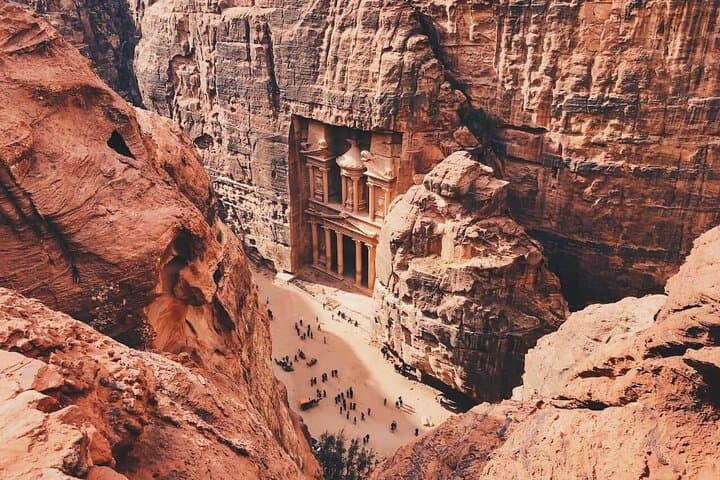
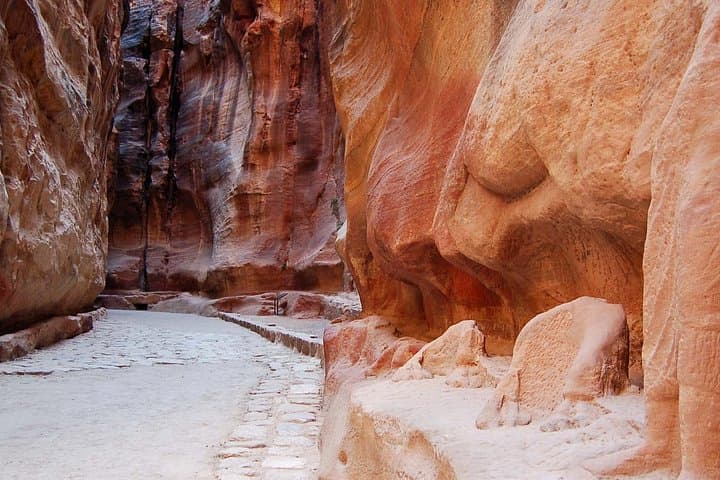
Before dawn the Siq is a low, breathing thing — cool stone, a ribbon of silence that pulls you toward the Treasury. The air tastes like desert dust and the first pale light teases the canyon lip as you and your guide slip through the narrow passage. A steady, stair-stepped climb leads from the floor of Petra up the Al-Khubtha Trail; each switchback peels back a new angle until the Treasury drops into view far below, its rose-red façade catching the first true gold.
Verified experiences and guided adventures in the surrounding area.
Operated by Red Rock Tours · Wadi Musa, Ma'an
Before dawn the Siq is a low, breathing thing — cool stone, a ribbon of silence that pulls you toward the Treasury. The air tastes like desert dust and the first pale light teases the canyon lip as you and your guide slip through the narrow passage. A steady, stair-stepped climb leads from the floor of Petra up the Al-Khubtha Trail; each switchback peels back a new angle until the Treasury drops into view far below, its rose-red façade catching the first true gold.
Petra was the Nabatean capital and a crossroads of desert trade; its carved sandstone cliffs record centuries of water engineering and cultural exchange. Geologically, the city sits in folded sandstone that erodes into sharp fins, canyons and sheltered niches—features that make viewpoints like Al-Khubtha both dramatic and fragile. Locals in Wadi Musa have woven modern tourism into village life; licensed guides share stories about Nabatean inscriptions and Ottoman-era travelers while pointing out natural rock layers and weathered carvings.
Practically: the hike is steep in sections, with uneven stone steps and exposed ledges; allow about two hours round-trip and start at least 60–90 minutes before official opening to reach the viewpoint for golden hour. Wear sturdy shoes, carry 1–1.5 liters of water, and use a headlamp for pre-dawn sections. Cameras benefit from a telephoto and a wide lens; your guide will suggest compositions and safe vantage points. Respect the site: stay on marked paths, avoid leaning on carved surfaces, and plan transport back to Wadi Musa since taxis and hotel shuttles operate early but can fill quickly.
moderate.
2 hours.
Good baseline fitness for steep, uneven hiking and some short stair climbs; not suitable for those with mobility issues.
Expect roughly 45–60 minutes up depending on pace, and 30–45 minutes down; total outing with time at the viewpoint is about two hours.
This tour coordinates timing with Petra ticket hours but typically requires you to have or purchase a valid Petra entry ticket separately.
The trail includes uneven steps and exposed ledges; children and seniors with limited mobility may find sections challenging—assess fitness and comfort with heights beforehand.
Yes—tripods and larger cameras are allowed, but check with your operator about early morning logistics and pack weight for the climb.
Petra was the Nabatean capital from the 4th century BC to the 1st century AD; its rock-cut architecture and hydraulic systems made it a major desert trade hub.
Petra’s sandstone is fragile—stay on paths, avoid touching façades, and support local guides who promote low-impact visitation and community-led conservation.
Red Rock Tours operates guided outdoor trips and adventures with an emphasis on safety, stewardship, and memorable experiences.
Before dawn the Siq is a low, breathing thing — cool stone, a ribbon of silence that pulls you toward the Treasury. The air tastes like desert dust and the first pale light teases the canyon lip as you and your guide slip through the narrow passage. A steady, stair-stepped climb leads from the floor of Petra up the Al-Khubtha Trail; each switchback peels back a new angle until the Treasury drops into view far below, its rose-red façade catching the first true gold.
Before dawn the Siq is a low, breathing thing — cool stone, a ribbon of silence that pulls you toward the Treasury. The air tastes like desert dust and the first pale light teases the canyon lip as you and your guide slip through the narrow passage. A steady, stair-stepped climb leads from the floor of Petra up the Al-Khubtha Trail; each switchback peels back a new angle until the Treasury drops into view far below, its rose-red façade catching the first true gold.
Petra was the Nabatean capital and a crossroads of desert trade; its carved sandstone cliffs record centuries of water engineering and cultural exchange. Geologically, the city sits in folded sandstone that erodes into sharp fins, canyons and sheltered niches—features that make viewpoints like Al-Khubtha both dramatic and fragile. Locals in Wadi Musa have woven modern tourism into village life; licensed guides share stories about Nabatean inscriptions and Ottoman-era travelers while pointing out natural rock layers and weathered carvings.
Practically: the hike is steep in sections, with uneven stone steps and exposed ledges; allow about two hours round-trip and start at least 60–90 minutes before official opening to reach the viewpoint for golden hour. Wear sturdy shoes, carry 1–1.5 liters of water, and use a headlamp for pre-dawn sections. Cameras benefit from a telephoto and a wide lens; your guide will suggest compositions and safe vantage points. Respect the site: stay on marked paths, avoid leaning on carved surfaces, and plan transport back to Wadi Musa since taxis and hotel shuttles operate early but can fill quickly.