THE ADVENTURE COLLECTIVE® · Independent discovery and booking for outdoor travel

Walk the Siq, pass the Treasury, and climb to Petra’s Monastery on a private 4‑hour guided hike. This tour blends Nabataean history, dramatic sandstone geology, and flexible pacing for photographers and curious travelers.
Walk the Siq, pass the Treasury, and climb to Petra’s Monastery on a private 4‑hour guided hike. This tour blends Nabataean history, dramatic sandstone geology, and flexible pacing for photographers and curious travelers.
You step through the cool, shadowed throat of the Siq and the rock narrows until a sunlit façade opens — the Treasury hovering in rose-gold light. The path continues past carved tombs and the city’s ruined main street, then climbs away from the canyon toward a high ridge where the Monastery (Ad-Deir) dominates the skyline, a monumental altar carved from sandstone that feels both ancient and immediate.
Verified experiences and guided adventures in the surrounding area.
Operated by Petra & Jordan Private Tours by Local Guide · Wadi Musa, Ma'an Governorate
You step through the cool, shadowed throat of the Siq and the rock narrows until a sunlit façade opens — the Treasury hovering in rose-gold light. The path continues past carved tombs and the city’s ruined main street, then climbs away from the canyon toward a high ridge where the Monastery (Ad-Deir) dominates the skyline, a monumental altar carved from sandstone that feels both ancient and immediate.
Petra began as a Nabataean capital in the 1st century BCE; its façades and water-management works speak to a desert people who carved permanence from shifting sand. Geologically, the sandstone layers here are soft, wind-sculpted and stratified, producing vivid banding and fragile features that require respect. Locally, Bedouin families have tended routes and shared oral histories for generations; a licensed guide ties those stories to the ruins and points out lesser-seen details like the Djinn Blocks and a hidden amphitheater.
Practically, this private 4–5 hour hike moves at your pace but covers uneven trails, stone steps and loose scree — expect 2–4 miles of walking with significant elevation gain toward the Monastery viewpoint. Bring ample water, sun protection and solid footwear; plan for early starts in summer and layered warmth in winter mornings. The tour starts at Petra Visitor Centre and ends at Ad-Deir, leaving time to descend at leisure. Photography windows are frequent; your guide will wait for the light. Respect preservation rules, stay on marked trails and allow the rock to speak for itself — the best views reward patience, not haste.
moderate.
4–5 hours.
Moderate — able to walk 2–4 miles over uneven terrain and climb stone steps with short breaks
Yes — all visitors must purchase a Petra entry ticket separately unless your booking specifies otherwise; your guide can assist with entry procedures.
The route is moderate: uneven surfaces, many stone steps and short steep sections; a basic level of fitness and comfortable shoes are required.
The tour meets at Petra Visitor Centre (Gate 28) and finishes at the Monastery (Ad-Deir); participants return at their own pace or arrange transport back to Wadi Musa.
Families with older children typically manage the hike, but it’s not recommended for those with significant mobility limitations, spinal issues, or pregnancy due to stairs and rough terrain.
Petra was the Nabataean capital from the 1st century BCE and flourished as a trade hub; much of the city was carved directly into the sandstone cliffs.
Sandstone erosion and foot traffic threaten fragile facades; follow guided routes, avoid climbing carved façades and pack out waste to minimize impact.
Petra & Jordan Private Tours by Local Guide operates guided outdoor trips and adventures with an emphasis on safety, stewardship, and memorable experiences.
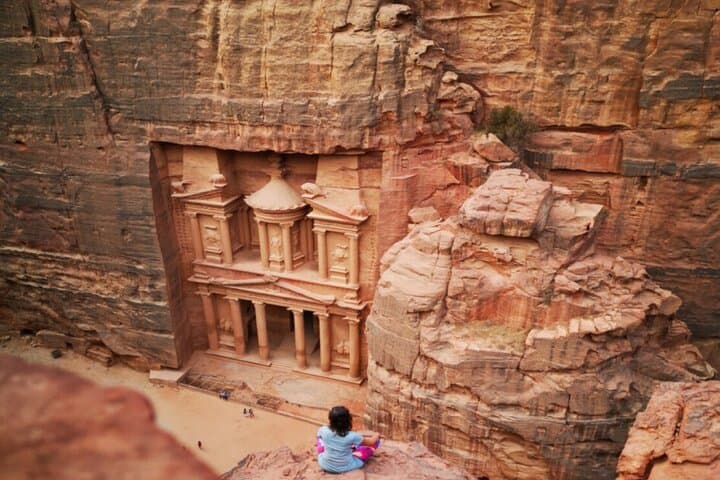
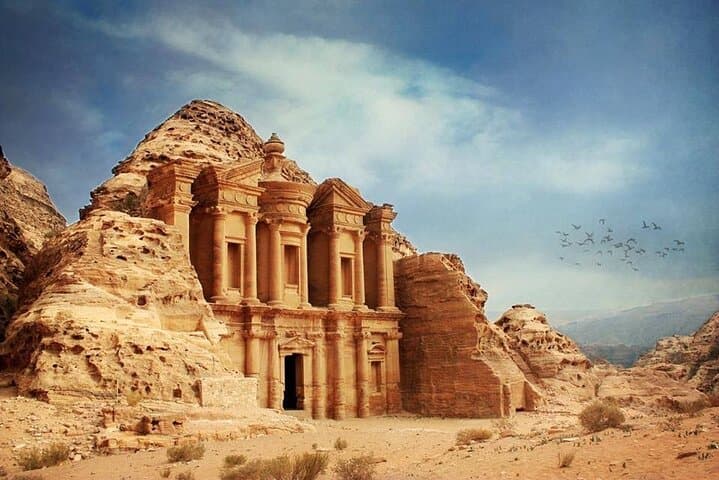
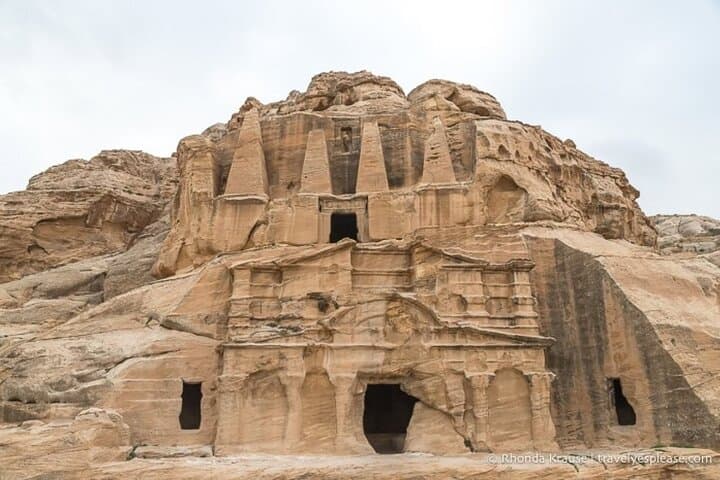
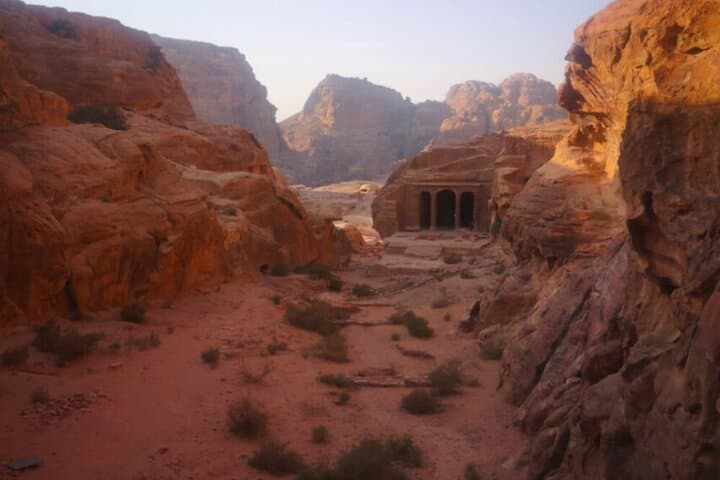
You step through the cool, shadowed throat of the Siq and the rock narrows until a sunlit façade opens — the Treasury hovering in rose-gold light. The path continues past carved tombs and the city’s ruined main street, then climbs away from the canyon toward a high ridge where the Monastery (Ad-Deir) dominates the skyline, a monumental altar carved from sandstone that feels both ancient and immediate.
You step through the cool, shadowed throat of the Siq and the rock narrows until a sunlit façade opens — the Treasury hovering in rose-gold light. The path continues past carved tombs and the city’s ruined main street, then climbs away from the canyon toward a high ridge where the Monastery (Ad-Deir) dominates the skyline, a monumental altar carved from sandstone that feels both ancient and immediate.
Petra began as a Nabataean capital in the 1st century BCE; its façades and water-management works speak to a desert people who carved permanence from shifting sand. Geologically, the sandstone layers here are soft, wind-sculpted and stratified, producing vivid banding and fragile features that require respect. Locally, Bedouin families have tended routes and shared oral histories for generations; a licensed guide ties those stories to the ruins and points out lesser-seen details like the Djinn Blocks and a hidden amphitheater.
Practically, this private 4–5 hour hike moves at your pace but covers uneven trails, stone steps and loose scree — expect 2–4 miles of walking with significant elevation gain toward the Monastery viewpoint. Bring ample water, sun protection and solid footwear; plan for early starts in summer and layered warmth in winter mornings. The tour starts at Petra Visitor Centre and ends at Ad-Deir, leaving time to descend at leisure. Photography windows are frequent; your guide will wait for the light. Respect preservation rules, stay on marked trails and allow the rock to speak for itself — the best views reward patience, not haste.