THE ADVENTURE COLLECTIVE® · Independent discovery and booking for outdoor travel

Follow the classic Petra route from the Siq and Treasury through the Royal Tombs and up 800 ancient steps to Ad Deir. This 4–5 hour guided hike blends archaeology, sandstone geology and panoramic desert views—best done early or late to avoid midday heat.
Follow the classic Petra route from the Siq and Treasury through the Royal Tombs and up 800 ancient steps to Ad Deir. This 4–5 hour guided hike blends archaeology, sandstone geology and panoramic desert views—best done early or late to avoid midday heat.
A cool morning light threads through the Siq as you emerge into the Treasury’s shadow, and the trail’s stones hum with centuries of footsteps. From the visitor center to the carved façade of Al Khazneh the route moves like a living museum—then turns north and climbs: 8 km of sandstone corridors, ancient steps and ledges that push you upward toward Ad Deir, the Monastery.
Verified experiences and guided adventures in the surrounding area.
Operated by Jordan Horizon Tours · Wadi Musa, Ma'an Governorate
A cool morning light threads through the Siq as you emerge into the Treasury’s shadow, and the trail’s stones hum with centuries of footsteps. From the visitor center to the carved façade of Al Khazneh the route moves like a living museum—then turns north and climbs: 8 km of sandstone corridors, ancient steps and ledges that push you upward toward Ad Deir, the Monastery.
This track follows Nabataean and later Roman circulation routes. The geology here is dramatic—banded sandstone cliffs shaped by wind and rare rains—and the route reveals water channels, ceramic piping and rock-cut tombs that record Petra’s role as a trade and hydraulic hub. You’ll pass the Royal Tombs, the Colonnaded Street and Qasr al Bint before the 800 carved steps that lead to the Monastery’s wide terrace and commanding views over Wadi Araba.
Locally the site is tied to Bedouin culture and guardian traditions; guides often point out carved crosses, hermitage chambers and faint inscriptions. Plan for 4–5 hours total on a guided walk; the uphill section is steep and uneven, so morning starts avoid heat and late-afternoon light is excellent for photos. Bring at least 1.5–2 liters of water, layered sun protection and shoes with sticky soles—the stone can be slick where wind-polished.
On the descent, take time for the Lion Triclinium detour and a slower pass through the Basin and Temple of the Winged Lion if energy allows. Respect signage, stay on cut paths to protect fragile rock art, and budget time for the return uphill to the visitor center.
challenging.
4–5 hours.
Suitable for those with good cardiovascular fitness and stair-climbing ability; some sustained uphill effort required.
Entrance fees are separate unless the tour package specifically states otherwise; confirm with the operator and be prepared to purchase at the visitor center.
The climb involves roughly 800 carved steps and sustained uphill walking—expect 30–60 minutes of steady ascent from Qasr al Bint, depending on pace.
Children and older visitors with good mobility can complete sections, but the stairway to Ad Deir is steep; evaluate fitness and take breaks as needed.
This specific listing includes an English-speaking guide; ask the operator in advance about guides in other languages or private arrangements.
Petra was the Nabataean capital and a strategic trading and water management center; many rock-cut facades date from the 1st century BCE to the Roman period.
Petra’s sandstone is fragile—stick to established paths, avoid touching carved surfaces, and follow local guidelines to limit erosion and human impact.
Jordan Horizon Tours operates guided outdoor trips and adventures with an emphasis on safety, stewardship, and memorable experiences.
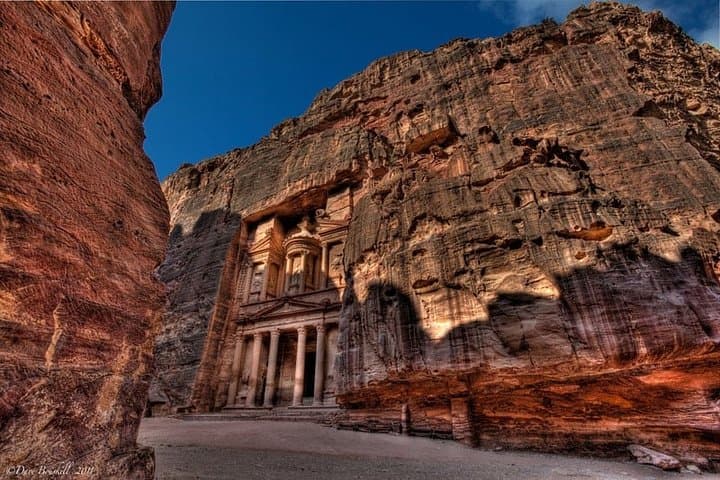
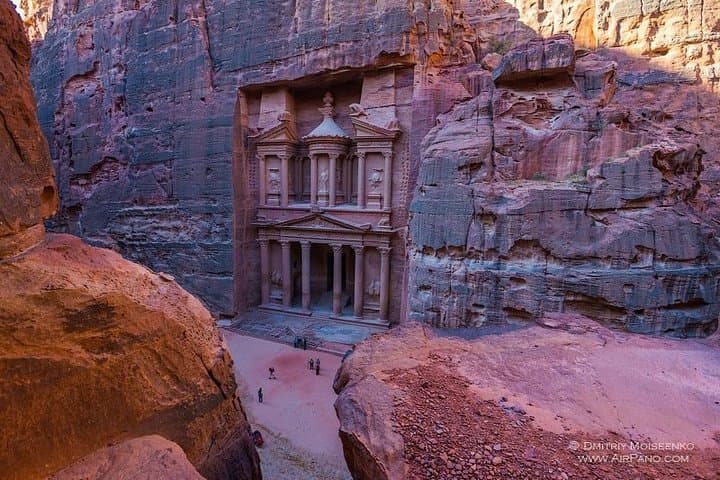
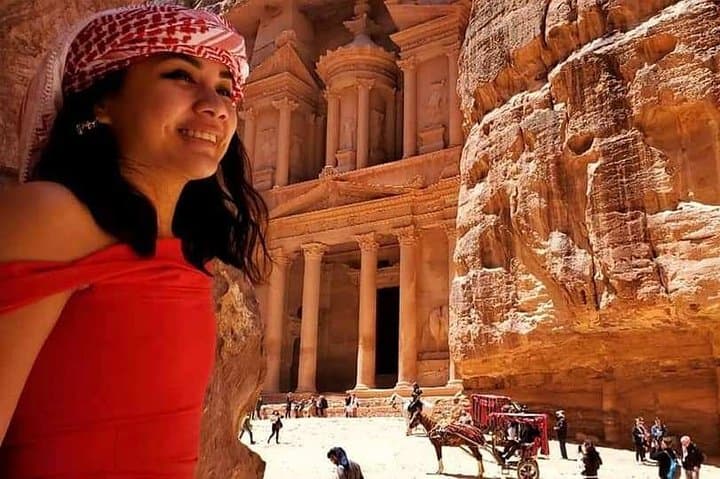
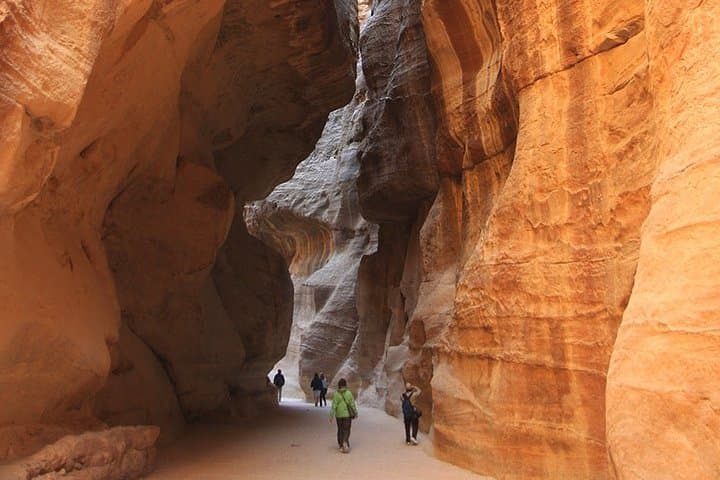
A cool morning light threads through the Siq as you emerge into the Treasury’s shadow, and the trail’s stones hum with centuries of footsteps. From the visitor center to the carved façade of Al Khazneh the route moves like a living museum—then turns north and climbs: 8 km of sandstone corridors, ancient steps and ledges that push you upward toward Ad Deir, the Monastery.
A cool morning light threads through the Siq as you emerge into the Treasury’s shadow, and the trail’s stones hum with centuries of footsteps. From the visitor center to the carved façade of Al Khazneh the route moves like a living museum—then turns north and climbs: 8 km of sandstone corridors, ancient steps and ledges that push you upward toward Ad Deir, the Monastery.
This track follows Nabataean and later Roman circulation routes. The geology here is dramatic—banded sandstone cliffs shaped by wind and rare rains—and the route reveals water channels, ceramic piping and rock-cut tombs that record Petra’s role as a trade and hydraulic hub. You’ll pass the Royal Tombs, the Colonnaded Street and Qasr al Bint before the 800 carved steps that lead to the Monastery’s wide terrace and commanding views over Wadi Araba.
Locally the site is tied to Bedouin culture and guardian traditions; guides often point out carved crosses, hermitage chambers and faint inscriptions. Plan for 4–5 hours total on a guided walk; the uphill section is steep and uneven, so morning starts avoid heat and late-afternoon light is excellent for photos. Bring at least 1.5–2 liters of water, layered sun protection and shoes with sticky soles—the stone can be slick where wind-polished.
On the descent, take time for the Lion Triclinium detour and a slower pass through the Basin and Temple of the Winged Lion if energy allows. Respect signage, stay on cut paths to protect fragile rock art, and budget time for the return uphill to the visitor center.