THE ADVENTURE COLLECTIVE® · Independent discovery and booking for outdoor travel

Cross the border at first light and spend a night in a Bedouin-style camp before exploring Petra’s rose-red façades. This two-day itinerary pairs Madaba and Mount Nebo with a full day inside the ancient Nabataean city.
Cross the border at first light and spend a night in a Bedouin-style camp before exploring Petra’s rose-red façades. This two-day itinerary pairs Madaba and Mount Nebo with a full day inside the ancient Nabataean city.
You cross a quiet border at dawn and trade the Mediterranean tightness of Jerusalem for a broad, sun-bleached horizon. The bus eases through red and ochre wadis; by evening you’re at a Bedouin-style camp where lanterns prick the dark and the desert exhales cool air.
Verified experiences and guided adventures in the surrounding area.
Operated by Abraham Tlalim Tours LTD · Wadi Musa, Ma'an Governorate
You cross a quiet border at dawn and trade the Mediterranean tightness of Jerusalem for a broad, sun-bleached horizon. The bus eases through red and ochre wadis; by evening you’re at a Bedouin-style camp where lanterns prick the dark and the desert exhales cool air.
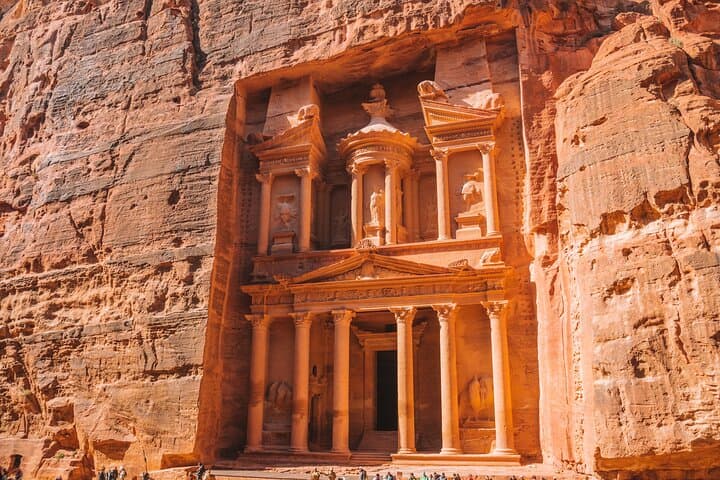
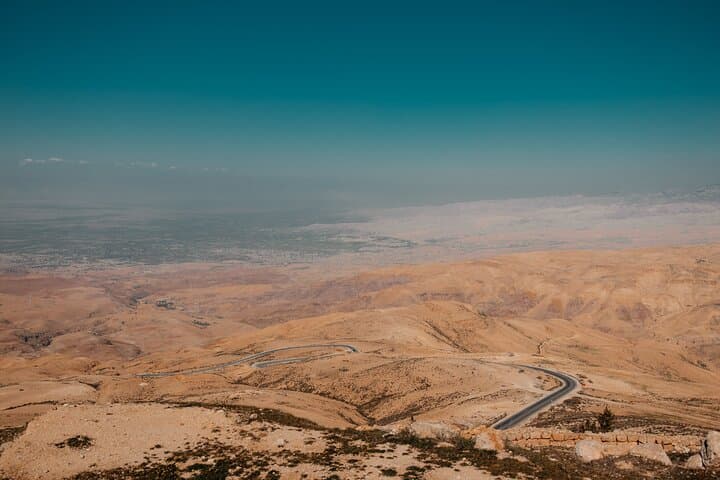
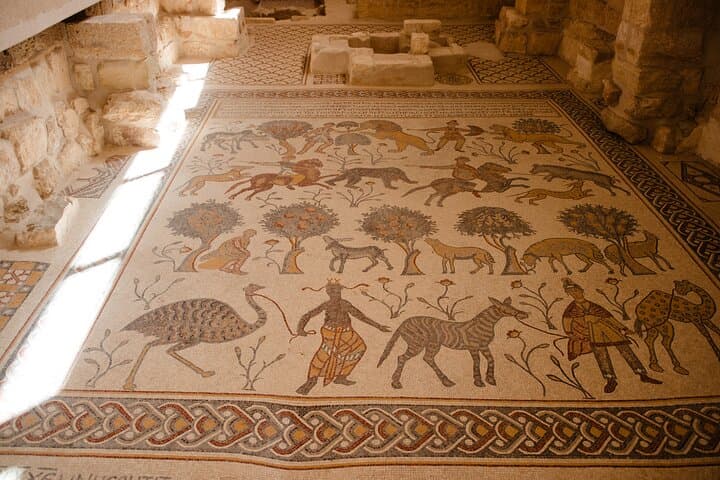
Day one threads through Jordan’s quieter highlights—Madaba’s floor mosaic map and the wide overlook of Mount Nebo—before a scenic drive toward Petra. The city carved into sandstone by the Nabataeans more than 2,000 years ago opens like a theatrical reveal: the Siq’s narrow cleft funnels you toward Al-Khazneh (the Treasury), its façade catching late light.
Geology here is readable: layered sandstone, wind-sculpted alcoves, and fragile patina where water and time have softened the rock. Culture is present in small ways—Bedouin hospitality over pita and tea, local guides who navigate carved steps and ancient water channels.
Practically: Petra’s main route from the Visitor Centre through the Siq to the Treasury is ≈1.2 km; reaching the Monastery or the High Place of Sacrifice adds steep trails and several hundred meters of elevation gain and many carved steps—plan for 4–6 hours of walking to see core sites. Bring 2–3 L of water, sun protection, sturdy shoes with good grip, and a light layer for nights at the camp. Have passports and cash (JOD) for border taxes and small purchases; drones and certain optics are restricted.
Start early to dodge heat and crowds, hire a licensed Jordanian guide when possible, and leave room in your itinerary to sit on a rock ledge and watch the sandstone change color as the day moves on.
moderate.
2 days (approx. 48 hours including travel).
Suitable for travelers with moderate fitness who can walk 4–6 hours over uneven, rocky terrain and climb several hundred steps.
Visa requirements vary by nationality; some travelers receive visas on arrival at the crossing, but check your country’s rules in advance and carry any required documents.
This tour includes entrance fees as listed in the inclusions, but confirm on booking and carry extra cash for optional services and tips.
Walking through the Siq to the Treasury is easy to moderate, but reaching sites like the Monastery requires steep climbs and stair sections—expect several hours of active walking.
Bring a warm layer for the night, basic toiletries, any necessary medications, and modest clothing for border formalities and local sensitivities.
Petra was the Nabataean capital and an important caravan hub; its rock-cut architecture and water-management systems highlight ancient engineering savvy.
Heavy foot traffic and weathering threaten fragile sandstone surfaces; stick to marked paths, avoid touching carved facades, and support local conservation-focused guides.
Abraham Tlalim Tours LTD operates guided outdoor trips and adventures with an emphasis on safety, stewardship, and memorable experiences.
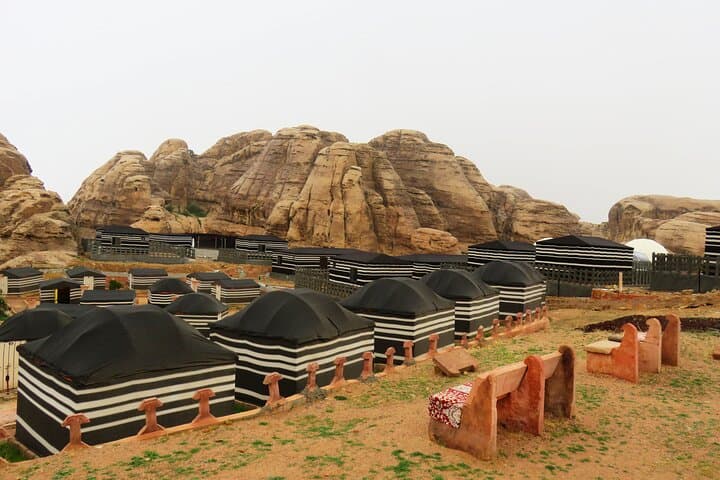
You cross a quiet border at dawn and trade the Mediterranean tightness of Jerusalem for a broad, sun-bleached horizon. The bus eases through red and ochre wadis; by evening you’re at a Bedouin-style camp where lanterns prick the dark and the desert exhales cool air.
You cross a quiet border at dawn and trade the Mediterranean tightness of Jerusalem for a broad, sun-bleached horizon. The bus eases through red and ochre wadis; by evening you’re at a Bedouin-style camp where lanterns prick the dark and the desert exhales cool air.
Day one threads through Jordan’s quieter highlights—Madaba’s floor mosaic map and the wide overlook of Mount Nebo—before a scenic drive toward Petra. The city carved into sandstone by the Nabataeans more than 2,000 years ago opens like a theatrical reveal: the Siq’s narrow cleft funnels you toward Al-Khazneh (the Treasury), its façade catching late light.
Geology here is readable: layered sandstone, wind-sculpted alcoves, and fragile patina where water and time have softened the rock. Culture is present in small ways—Bedouin hospitality over pita and tea, local guides who navigate carved steps and ancient water channels.
Practically: Petra’s main route from the Visitor Centre through the Siq to the Treasury is ≈1.2 km; reaching the Monastery or the High Place of Sacrifice adds steep trails and several hundred meters of elevation gain and many carved steps—plan for 4–6 hours of walking to see core sites. Bring 2–3 L of water, sun protection, sturdy shoes with good grip, and a light layer for nights at the camp. Have passports and cash (JOD) for border taxes and small purchases; drones and certain optics are restricted.
Start early to dodge heat and crowds, hire a licensed Jordanian guide when possible, and leave room in your itinerary to sit on a rock ledge and watch the sandstone change color as the day moves on.