THE ADVENTURE COLLECTIVE® · Independent discovery and booking for outdoor travel

A long, border‑crossing day from Sharm El Sheikh to Petra offers an intense immersion in Nabatean rock-cut architecture. Expect an early start, immigration stops, hours of walking through the Siq and lunch in Wadi Musa.
A long, border‑crossing day from Sharm El Sheikh to Petra offers an intense immersion in Nabatean rock-cut architecture. Expect an early start, immigration stops, hours of walking through the Siq and lunch in Wadi Musa.
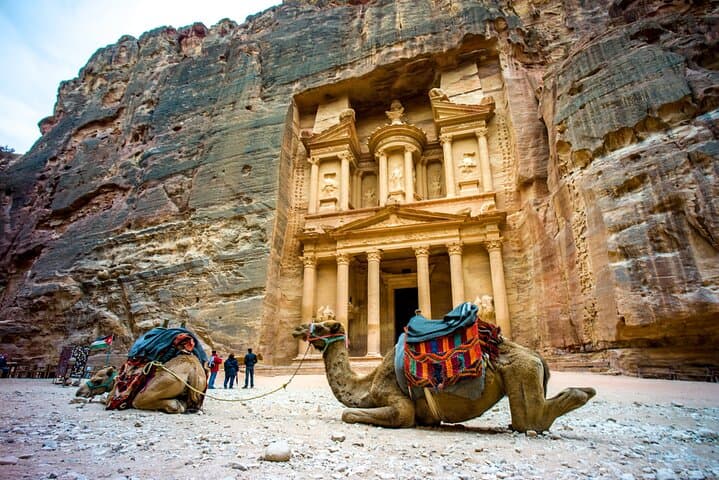
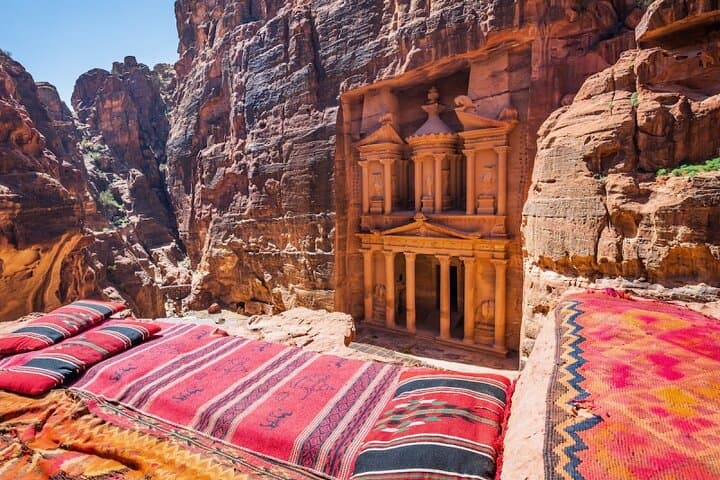
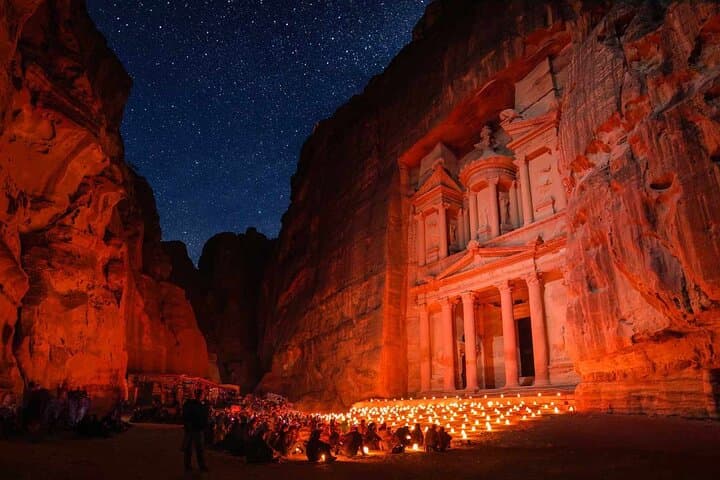
Dawn on the Sinai road gives way to a long ribbon of desert as the coach pushes north; by midday the ochre cliffs of Wadi Musa rise like a carved city waiting to be discovered. Walk through the narrowing Siq and the light shifts—sandstone walls leaning close as if to whisper the route to the Treasury, whose carved façade reveals itself in a sudden cinematic moment.
Verified experiences and guided adventures in the surrounding area.
Operated by Bella Trips · Wadi Musa, Ma'an Governorate
Dawn on the Sinai road gives way to a long ribbon of desert as the coach pushes north; by midday the ochre cliffs of Wadi Musa rise like a carved city waiting to be discovered. Walk through the narrowing Siq and the light shifts—sandstone walls leaning close as if to whisper the route to the Treasury, whose carved façade reveals itself in a sudden cinematic moment.
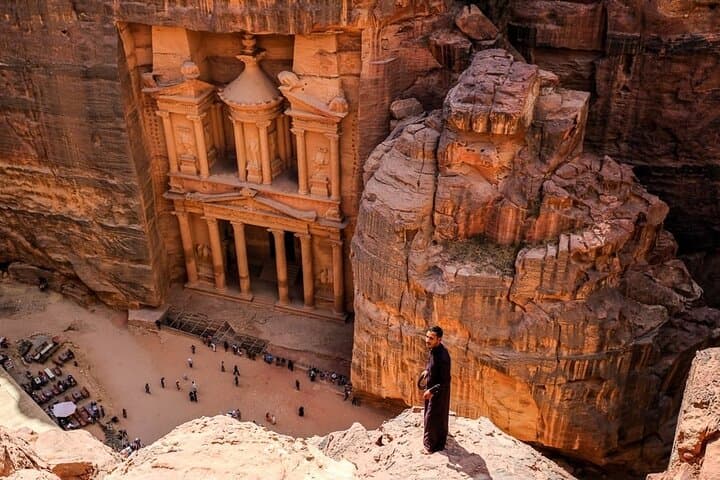
Petra is Nabatean engineering written into stone: water channels, tomb facades, an amphitheater hewn from bedrock and a landscape of layered sandstone shaped by millennia of wind and flash floods. The city of Wadi Musa grew where trade routes met water and the Nabateans turned geology into architecture. Nearby Little Petra and the high-place lookout give alternate perspectives on daily life here centuries ago.
On this full-day cross-border excursion from Sharm El Sheikh travelers should expect early pickup, immigration processing at the Egypt–Jordan checkpoint, several hours of guided walking on uneven, often dusty trails, a sit-down lunch at a local restaurant, and a return journey in the evening. The route covers long transfers, so plan for hydration, sun protection, and sturdy shoes for walking the Siq, stepped paths and loose gravel around viewpoints.
Practical tip: carry your passport and any required visas, confirm pickup time the night before, budget local currency for entrance fees or extras, and allow time for photography—Petra’s light changes quickly. For many, the payoff is those carved facades glowing as late sun finds the canyon walls.
moderate.
12–14 hours.
Suitable for travelers who can handle a long day with several hours of walking on uneven terrain; basic stamina required.
Entrance fees to Petra are generally not listed in this itinerary; confirm with the operator and bring local currency or card options for ticket purchase.
Visa requirements vary by nationality; the tour guide assists with immigration procedures but travelers must verify visa rules and passport validity in advance.
Expect several hours on foot through the Siq and around the main sites—terrain ranges from flat paved paths to steps and loose sand.
The tour lists as suitable for all fitness levels but includes long transfers and uneven walking; infants must sit on laps and mobility limitations may restrict access to some areas.
Petra was the capital of the Nabatean kingdom from around the 4th century BCE and thrived as a caravan city controlling trade routes for frankincense and spices.
Tourism and natural erosion threaten fragile sandstone façades—stick to marked paths, avoid touching carved surfaces, and support licensed local guides.
Bella Trips operates guided outdoor trips and adventures with an emphasis on safety, stewardship, and memorable experiences.
Dawn on the Sinai road gives way to a long ribbon of desert as the coach pushes north; by midday the ochre cliffs of Wadi Musa rise like a carved city waiting to be discovered. Walk through the narrowing Siq and the light shifts—sandstone walls leaning close as if to whisper the route to the Treasury, whose carved façade reveals itself in a sudden cinematic moment.
Dawn on the Sinai road gives way to a long ribbon of desert as the coach pushes north; by midday the ochre cliffs of Wadi Musa rise like a carved city waiting to be discovered. Walk through the narrowing Siq and the light shifts—sandstone walls leaning close as if to whisper the route to the Treasury, whose carved façade reveals itself in a sudden cinematic moment.
Petra is Nabatean engineering written into stone: water channels, tomb facades, an amphitheater hewn from bedrock and a landscape of layered sandstone shaped by millennia of wind and flash floods. The city of Wadi Musa grew where trade routes met water and the Nabateans turned geology into architecture. Nearby Little Petra and the high-place lookout give alternate perspectives on daily life here centuries ago.
On this full-day cross-border excursion from Sharm El Sheikh travelers should expect early pickup, immigration processing at the Egypt–Jordan checkpoint, several hours of guided walking on uneven, often dusty trails, a sit-down lunch at a local restaurant, and a return journey in the evening. The route covers long transfers, so plan for hydration, sun protection, and sturdy shoes for walking the Siq, stepped paths and loose gravel around viewpoints.
Practical tip: carry your passport and any required visas, confirm pickup time the night before, budget local currency for entrance fees or extras, and allow time for photography—Petra’s light changes quickly. For many, the payoff is those carved facades glowing as late sun finds the canyon walls.