THE ADVENTURE COLLECTIVE® · Independent discovery and booking for outdoor travel

Cross the border from Eilat and walk the Siq to the iconic Treasury on a full-day guided visit to Petra. This practical guide explains what to expect—border paperwork, site walking distances, and gear to bring for a long desert day.
Cross the border from Eilat and walk the Siq to the iconic Treasury on a full-day guided visit to Petra. This practical guide explains what to expect—border paperwork, site walking distances, and gear to bring for a long desert day.
The bus slips out of Eilat before dawn and the desert stretches open—linen-colored ridges, wind-swept scrub, and a horizon that seems to push you forward.
Verified experiences and guided adventures in the surrounding area.
Operated by Bein Harim Ltd · Wadi Musa, Ma'an Governorate
The bus slips out of Eilat before dawn and the desert stretches open—linen-colored ridges, wind-swept scrub, and a horizon that seems to push you forward.
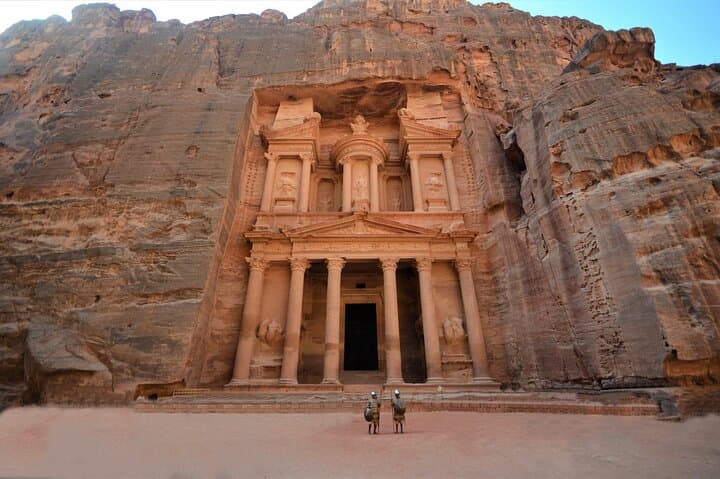
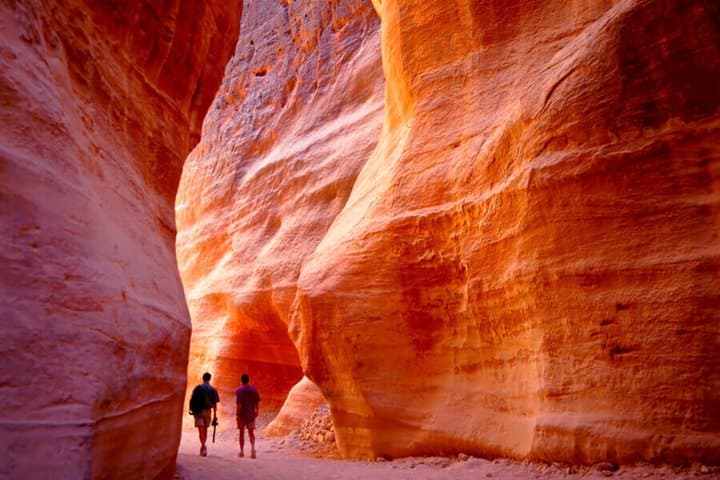
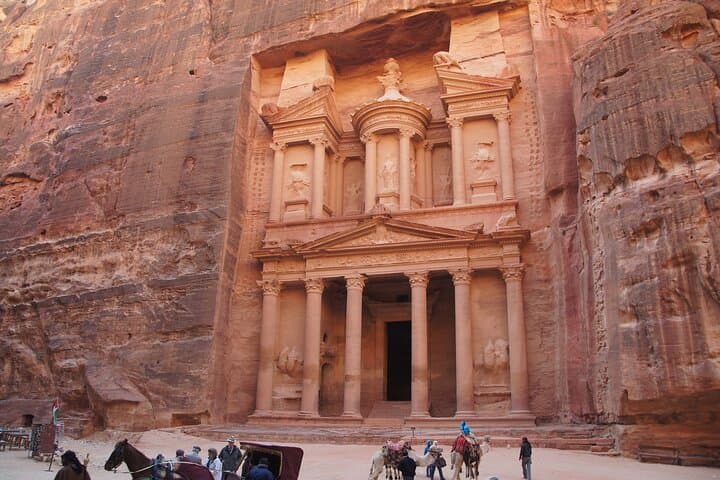
Border formalities are the first practical note: passports and a small visa fee, then a short drive that narrows into the Siq, Petra’s dramatic cleft. Walking through the shaded gorge, the air cools and the rock walls reveal layers of sandstone in rust and ochre until the Treasury materializes—an ornate façade carved from living stone.
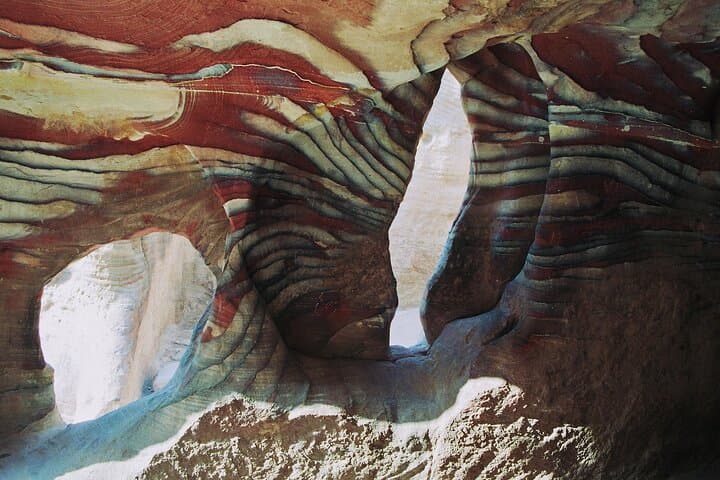
Petra was the Nabataean capital from around 200 BCE, an urban hub built where trade routes met. Geologically it’s a sandstone amphitheater: wind and water sculpted the cliffs you’ll touch, and iron and other minerals paint the canyon in bands of color. Cultural traces—royal tombs, a Nabataean theater, and Djin blocks—reflect a society that combined Hellenistic, Arabian and local influences.
You’ll generally have about four hours inside the archaeological park: expect 3–6 km of walking on uneven paths, with optional climbs to viewpoints or the Monastery (many stone steps). Photography, timing your visit to avoid midday heat, and listening to your guide will shape the day.
Practical guidance: carry your passport and the required visa fees in cash, wear broken-in walking shoes, bring 1–2 liters of water and sun protection, and plan for security and border queues that can add time. The tour returns to Eilat the same evening; it’s a long but enormously rewarding day where desert, rock and human workmanship meet.
moderate.
12 hours.
Able to walk on uneven ground for several hours and climb steps; comfortable with a long day of travel and standing.
Many nationalities must obtain a visa at the Jordanian border; fees vary (prepare approximately $125 or $65 if you already hold a valid visa). Check your nationality’s requirements before travel.
The standard visit involves several kilometers on uneven ground and optional climbs (the Monastery requires many steps). The tour is suitable for most fitness levels if you can manage extended walking.
This tour’s inclusions list entrance fees to Petra—confirm at booking but expect admission to be covered in the advertised package.
Yes—this is a full-day roundtrip tour with hotel pickup and drop-off in Eilat; plan for a long day and possible border wait times.
Petra rose as a Nabataean trading capital from about the 3rd century BCE; its carved façades reflect trade-driven wealth and blended architectural influences.
Petra is vulnerable to erosion and visitor impact—stay on marked paths, avoid touching fragile carvings, and carry out all waste to help protect the sandstone.
Bein Harim Ltd operates guided outdoor trips and adventures with an emphasis on safety, stewardship, and memorable experiences.
The bus slips out of Eilat before dawn and the desert stretches open—linen-colored ridges, wind-swept scrub, and a horizon that seems to push you forward.
The bus slips out of Eilat before dawn and the desert stretches open—linen-colored ridges, wind-swept scrub, and a horizon that seems to push you forward.
Border formalities are the first practical note: passports and a small visa fee, then a short drive that narrows into the Siq, Petra’s dramatic cleft. Walking through the shaded gorge, the air cools and the rock walls reveal layers of sandstone in rust and ochre until the Treasury materializes—an ornate façade carved from living stone.
Petra was the Nabataean capital from around 200 BCE, an urban hub built where trade routes met. Geologically it’s a sandstone amphitheater: wind and water sculpted the cliffs you’ll touch, and iron and other minerals paint the canyon in bands of color. Cultural traces—royal tombs, a Nabataean theater, and Djin blocks—reflect a society that combined Hellenistic, Arabian and local influences.
You’ll generally have about four hours inside the archaeological park: expect 3–6 km of walking on uneven paths, with optional climbs to viewpoints or the Monastery (many stone steps). Photography, timing your visit to avoid midday heat, and listening to your guide will shape the day.
Practical guidance: carry your passport and the required visa fees in cash, wear broken-in walking shoes, bring 1–2 liters of water and sun protection, and plan for security and border queues that can add time. The tour returns to Eilat the same evening; it’s a long but enormously rewarding day where desert, rock and human workmanship meet.