THE ADVENTURE COLLECTIVE® · Independent discovery and booking for outdoor travel

A full‑day back‑road hike from Little Petra to the Monastery that links Nabataean tombs, a Neolithic village and sweeping Wadi Araba viewpoints. Expect long climbs, sandstone steps and rich archaeological context guided along quieter paths into central Petra.
A full‑day back‑road hike from Little Petra to the Monastery that links Nabataean tombs, a Neolithic village and sweeping Wadi Araba viewpoints. Expect long climbs, sandstone steps and rich archaeological context guided along quieter paths into central Petra.
You emerge from the car into thin desert air at Little Petra; wind pushes grit across red sandstone and the narrow Siq al‑Barid funnels sunlight down into painted rock faces. The day’s route threads old caravan tracks, rock-cut temples and terraces that rise above Wadi Araba, moving steadily toward the sun-baked shoulders of the Monastery.
Verified experiences and guided adventures in the surrounding area.
Operated by The professions - Petra Back-door Trail and Route Hike · Wadi Musa, Ma'an Governorate
You emerge from the car into thin desert air at Little Petra; wind pushes grit across red sandstone and the narrow Siq al‑Barid funnels sunlight down into painted rock faces. The day’s route threads old caravan tracks, rock-cut temples and terraces that rise above Wadi Araba, moving steadily toward the sun-baked shoulders of the Monastery.
This itinerary stitches together eras: Nabataean tomb facades hewn from soft sandstone, Roman colonnades rebuilt atop ancient streets, and Byzantine crosses in reused chambers. Geologically, the sandstone layers here erode into ledges and steps, so pack for uneven footing and sudden drops in elevation. Cultural highlights include the Neolithic village at Beidha — one of Jordan’s earliest settlements — and Petra’s great monuments: the Treasury’s 40m height and the Monastery’s near-rectangular façade that dominates its ridge.
Expect a long, varied day: short canyon walking at Little Petra, a steady climb to panoramic overlooks of Wadi Araba, and an ascent of stone steps to the Monastery followed by a traverse through Petra’s central ruins — the Street of Facades, Royal Tombs and the colonnaded thoroughfare ending at the Visitor Center.
Practical edge: start at first light to avoid heat, bring 2–3 liters of water, solid footwear, sun protection and a light pack. The route is physically demanding but non-technical; guides lead navigation and provide local context. Finish the day with slower walking through shaded ruins to cool down and reflect on the layered history carved into the mountain.
moderate.
8–9 hours.
Moderate to good cardiovascular fitness required; able to sustain several hours of uphill walking and stair climbs.
Yes — Petra has a national site entrance fee paid separately; check current Jordan Tourism prices and bring your passport for verification.
The route involves long climbs and many stone steps; it’s best for children used to day hikes and adults in good physical condition.
Guides typically provide bottled water as noted, but bring extra snacks or energy food for the full‑day exertion.
Pickup from central hotels in Wadi Musa is commonly offered; confirm pickup point and time when booking.
Petra was the capital of the Nabataean kingdom (1st millennium BCE) and later saw Roman and Byzantine reuse; many façades combine funerary and civic architecture in cut sandstone.
High visitor numbers and fragile sandstone require staying on trails and avoiding climbing facades; local guides and site rules help limit erosion and protect painted surfaces.
The professions - Petra Back-door Trail and Route Hike operates guided outdoor trips and adventures with an emphasis on safety, stewardship, and memorable experiences.
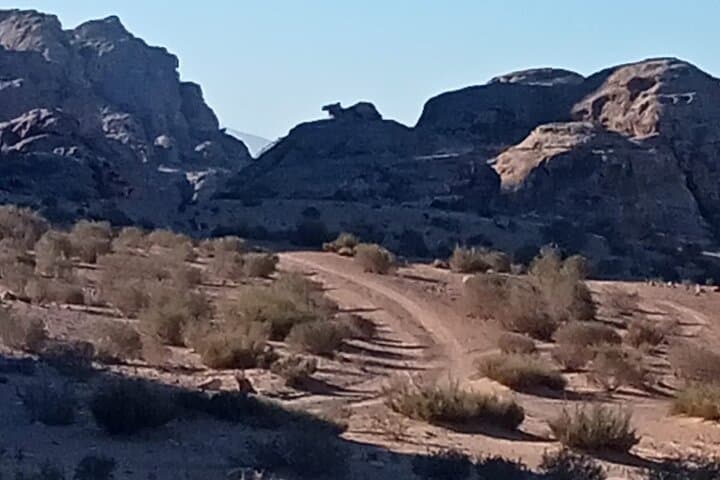
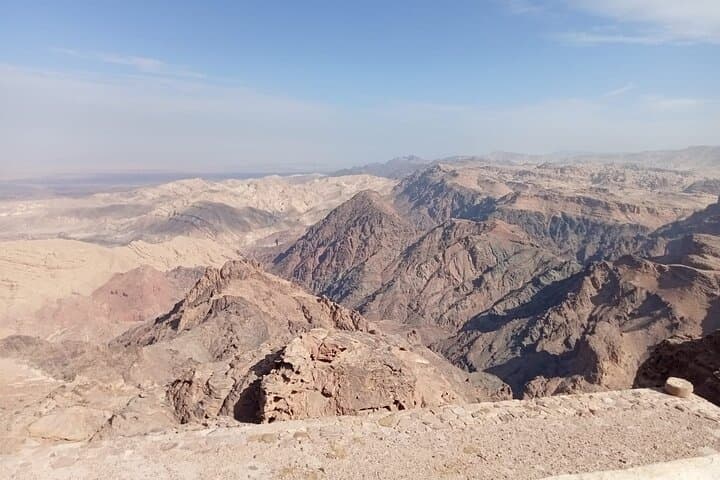
You emerge from the car into thin desert air at Little Petra; wind pushes grit across red sandstone and the narrow Siq al‑Barid funnels sunlight down into painted rock faces. The day’s route threads old caravan tracks, rock-cut temples and terraces that rise above Wadi Araba, moving steadily toward the sun-baked shoulders of the Monastery.
You emerge from the car into thin desert air at Little Petra; wind pushes grit across red sandstone and the narrow Siq al‑Barid funnels sunlight down into painted rock faces. The day’s route threads old caravan tracks, rock-cut temples and terraces that rise above Wadi Araba, moving steadily toward the sun-baked shoulders of the Monastery.
This itinerary stitches together eras: Nabataean tomb facades hewn from soft sandstone, Roman colonnades rebuilt atop ancient streets, and Byzantine crosses in reused chambers. Geologically, the sandstone layers here erode into ledges and steps, so pack for uneven footing and sudden drops in elevation. Cultural highlights include the Neolithic village at Beidha — one of Jordan’s earliest settlements — and Petra’s great monuments: the Treasury’s 40m height and the Monastery’s near-rectangular façade that dominates its ridge.
Expect a long, varied day: short canyon walking at Little Petra, a steady climb to panoramic overlooks of Wadi Araba, and an ascent of stone steps to the Monastery followed by a traverse through Petra’s central ruins — the Street of Facades, Royal Tombs and the colonnaded thoroughfare ending at the Visitor Center.
Practical edge: start at first light to avoid heat, bring 2–3 liters of water, solid footwear, sun protection and a light pack. The route is physically demanding but non-technical; guides lead navigation and provide local context. Finish the day with slower walking through shaded ruins to cool down and reflect on the layered history carved into the mountain.