THE ADVENTURE COLLECTIVE® · Independent discovery and booking for outdoor travel

A full-day private tour from Amman that pairs the carved wonders of Petra with the surreal buoyancy of the Dead Sea. Expect several hours of walking, dramatic desert scenery, and a unique saltwater float.
A full-day private tour from Amman that pairs the carved wonders of Petra with the surreal buoyancy of the Dead Sea. Expect several hours of walking, dramatic desert scenery, and a unique saltwater float.
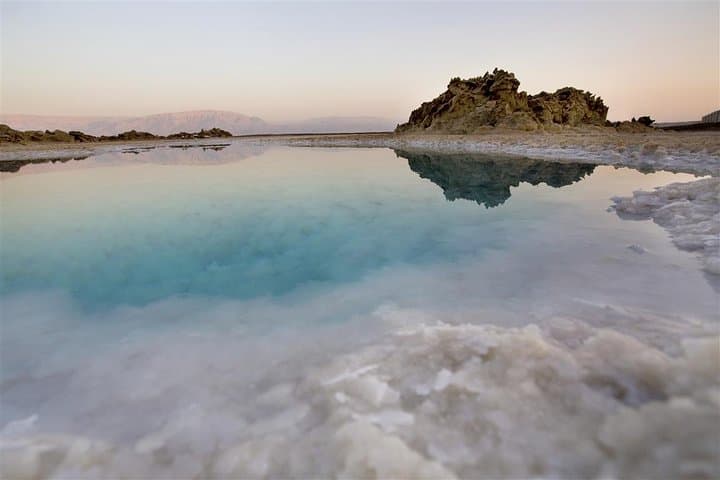
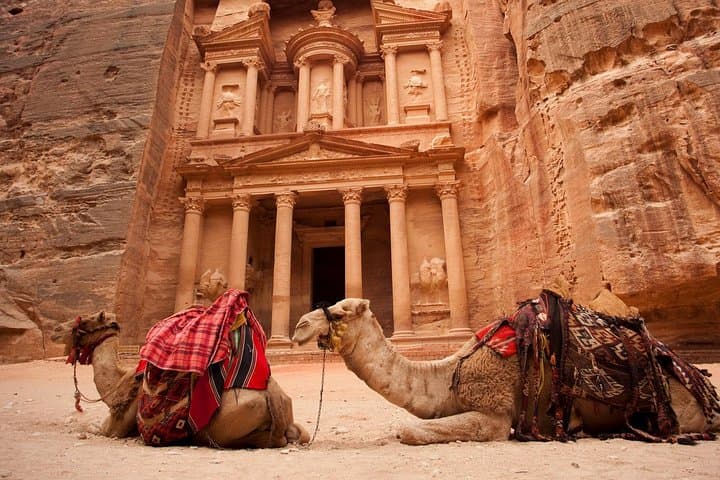
You step out of the van before dawn and the highway light fades into ochre desert. By mid-morning the Siq narrows and the rose-red cliffs of Petra rise like a carved city daring you to keep walking; later in the day the Dead Sea waits, glassy and saline, offering the strange buoyancy of a place that refuses to sink you.
Verified experiences and guided adventures in the surrounding area.
Operated by Oman Day Tours · Wadi Musa, Ma'an Governorate
You step out of the van before dawn and the highway light fades into ochre desert. By mid-morning the Siq narrows and the rose-red cliffs of Petra rise like a carved city daring you to keep walking; later in the day the Dead Sea waits, glassy and saline, offering the strange buoyancy of a place that refuses to sink you.
Petra was carved by the Nabataeans from the 4th century BC onward and became a crossroads for spice and silk caravans. Its rock is a layered record of sandstone and siltstone, colored by iron and mineral streaks that weather into the famous “rose” tones. The Dead Sea, at the lowest exposed land elevation on Earth, is the geological result of tectonic rifts and intense evaporation — its high salinity preserves the body in a way that feels almost theatrical. Along the route you’ll pass Bedouin communities whose culture and hospitality shape southern Jordan’s modern identity.
Practical guidance: the tour is long (about eight hours) and includes several kilometers of walking on uneven stone and stair climbs to viewpoints like the Monastery. Bring sturdy shoes, sun protection and a quick-change for Dead Sea float time. Hydrate regularly — bottled water is usually provided — and carry a small daypack for layers and valuables; the salt will damage electronics and camera straps if submerged. Expect guided transfers from Amman, national park fees included in many packages, and passport checks for ticketing at entry gates. Time your photos: early light brings deeper color to Petra’s facades, while late afternoon softens the Dead Sea’s glare.
moderate.
8 hours.
You should be comfortable walking several kilometers and climbing stair sections over a full day; basic endurance and mobility required.
Expect several kilometers on uneven stone paths with stair sections; the itinerary typically includes Treasury, Royal Tombs and a climb to the Monastery depending on time.
Yes — most day tours include time at a public beach or resort area where you can float, though facilities and time allotted vary by operator.
Many private tours include national park entrance fees and round-trip transfers from Amman; confirm at booking if fees and bottled water are covered.
Children can join but must be supervised; those with limited mobility may find steps and uneven ground challenging — notify the operator ahead to discuss accessibility and alternatives.
Petra was the capital of the Nabataean kingdom from the 4th century BC and later integrated into Roman trade networks; the Dead Sea’s shores have long been noted in biblical and ancient texts for salt and mineral harvesting.
Both Petra and the Dead Sea face pressures from tourism and environmental change; follow trail rules, avoid touching rock carvings, and dispose of waste properly to reduce impact.
Oman Day Tours operates guided outdoor trips and adventures with an emphasis on safety, stewardship, and memorable experiences.
You step out of the van before dawn and the highway light fades into ochre desert. By mid-morning the Siq narrows and the rose-red cliffs of Petra rise like a carved city daring you to keep walking; later in the day the Dead Sea waits, glassy and saline, offering the strange buoyancy of a place that refuses to sink you.
You step out of the van before dawn and the highway light fades into ochre desert. By mid-morning the Siq narrows and the rose-red cliffs of Petra rise like a carved city daring you to keep walking; later in the day the Dead Sea waits, glassy and saline, offering the strange buoyancy of a place that refuses to sink you.
Petra was carved by the Nabataeans from the 4th century BC onward and became a crossroads for spice and silk caravans. Its rock is a layered record of sandstone and siltstone, colored by iron and mineral streaks that weather into the famous “rose” tones. The Dead Sea, at the lowest exposed land elevation on Earth, is the geological result of tectonic rifts and intense evaporation — its high salinity preserves the body in a way that feels almost theatrical. Along the route you’ll pass Bedouin communities whose culture and hospitality shape southern Jordan’s modern identity.
Practical guidance: the tour is long (about eight hours) and includes several kilometers of walking on uneven stone and stair climbs to viewpoints like the Monastery. Bring sturdy shoes, sun protection and a quick-change for Dead Sea float time. Hydrate regularly — bottled water is usually provided — and carry a small daypack for layers and valuables; the salt will damage electronics and camera straps if submerged. Expect guided transfers from Amman, national park fees included in many packages, and passport checks for ticketing at entry gates. Time your photos: early light brings deeper color to Petra’s facades, while late afternoon softens the Dead Sea’s glare.