THE ADVENTURE COLLECTIVE® · Independent discovery and booking for outdoor travel

Explore Petite France with a local guide on a 90-minute private walking tour that surfaces hidden details, history, and the best riverfront views. Ideal for travelers who want context, short walking distances, and a customizable itinerary.
Explore Petite France with a local guide on a 90-minute private walking tour that surfaces hidden details, history, and the best riverfront views. Ideal for travelers who want context, short walking distances, and a customizable itinerary.
A late-morning light slides across half-timbered facades as the guide waits by Strasbourg Cathedral, map folded but eyes fixed on the river. Petite France opens like a series of small rooms — wooden balconies, canals that dare you to slow your pace, and narrow streets that once carried tanners’ carts and the smell of dye.
Verified experiences and guided adventures in the surrounding area.
Operated by Happy Strasbourg · Strasbourg, Grand Est
A late-morning light slides across half-timbered facades as the guide waits by Strasbourg Cathedral, map folded but eyes fixed on the river. Petite France opens like a series of small rooms — wooden balconies, canals that dare you to slow your pace, and narrow streets that once carried tanners’ carts and the smell of dye.
The neighborhood grew from medieval trade and river industries; its timber houses date mainly from the 16th–18th centuries. The Vauban dam and the Ponts Couverts speak to military engineering and a time when canals were as important as roads. Alsace’s layered culture — a blend of French and German influences — shows in street names, cuisine, and the joint pride locals have for craft and story.
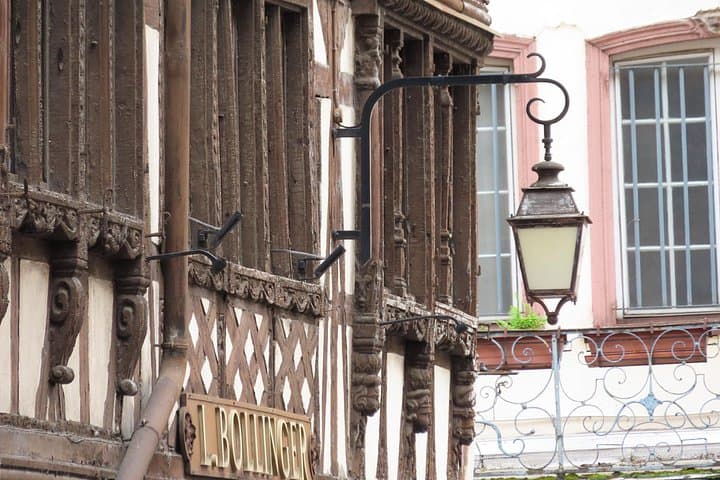
On this private 90-minute walking tour, local-born guides point out the small details that standard guidebooks miss: carved gargoyles, house plaques, and the turning bridge that still lets boats pass. The route is mostly level, about 1–2 km of cobbles and paved paths with brief stops at postcard views and the dam overlook.
Practical notes: meet at the cathedral corner with Rue Mercière; the tour is fully customizable and wheelchair-accessible in key sections. Wear sturdy shoes for uneven cobbles, bring a compact rain layer in spring and autumn, and schedule mornings or late afternoons to avoid day-tour congestion. Bring a camera, but also take a moment to let the canals pull your attention away from the lens — Petite France rewards quiet observation as much as photos.
easy.
1.5 hours.
Suitable for most fitness levels; involves short, flat walks over cobblestones and paved paths.
Yes — key parts of the route are wheelchair- and stroller-accessible, though some cobbled stretches can be bumpy; contact the operator to confirm accessibility needs.
Guides are local and often multilingual; confirm your preferred language when booking so the guide can be matched appropriately.
Yes — this private tour is adaptable to interests such as architecture, local food tips, or family-friendly pacing; request preferences when booking.
For a full refund cancel at least 24 hours before departure; within 24 hours bookings are non-refundable.
Petite France grew from river trades and tanneries in the late medieval to early modern period; its fortifications and bridges reflect centuries of strategic importance on the Rhine corridor.
Strasbourg is a UNESCO-protected historic center—visitors are asked to stay on paths, avoid touching fragile woodwork, and minimize noise and litter to preserve the area.
Happy Strasbourg operates guided outdoor trips and adventures with an emphasis on safety, stewardship, and memorable experiences.
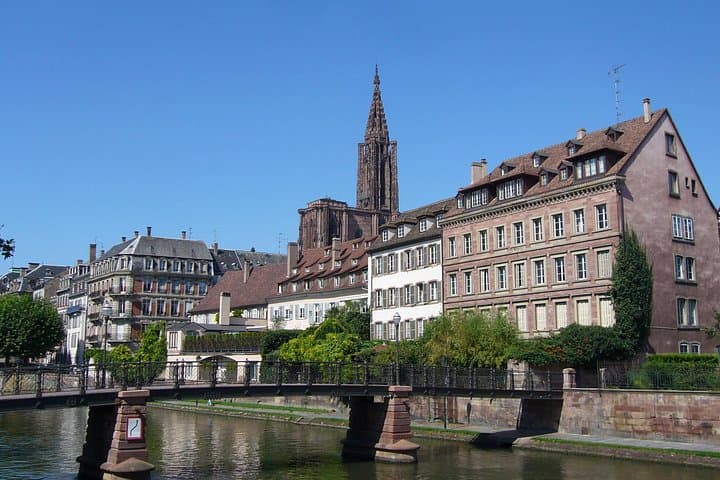
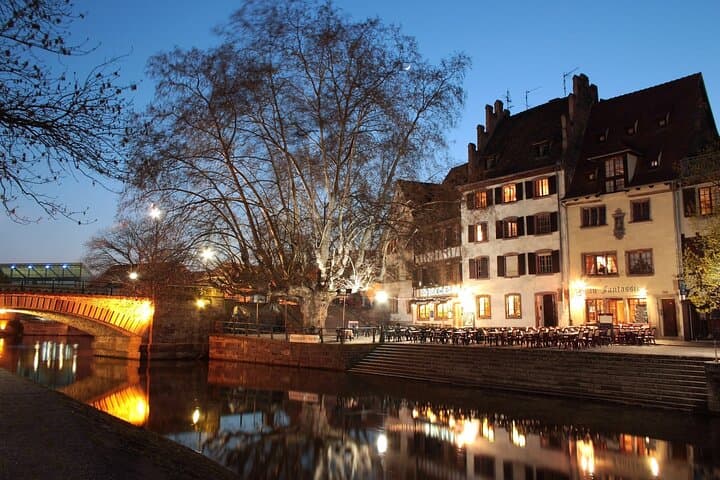
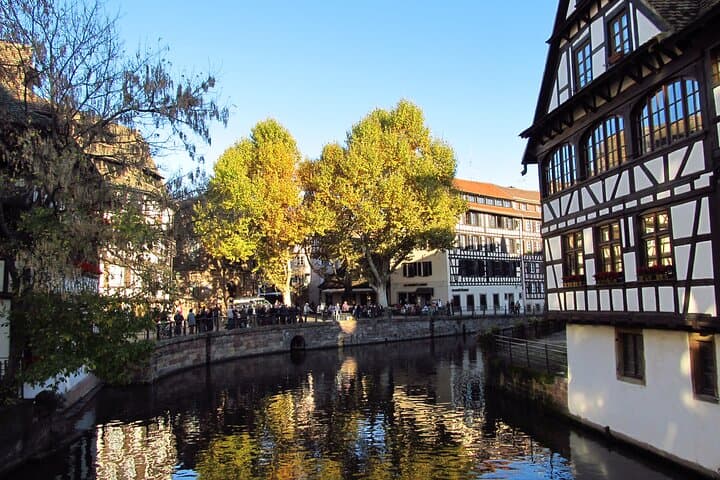
A late-morning light slides across half-timbered facades as the guide waits by Strasbourg Cathedral, map folded but eyes fixed on the river. Petite France opens like a series of small rooms — wooden balconies, canals that dare you to slow your pace, and narrow streets that once carried tanners’ carts and the smell of dye.
A late-morning light slides across half-timbered facades as the guide waits by Strasbourg Cathedral, map folded but eyes fixed on the river. Petite France opens like a series of small rooms — wooden balconies, canals that dare you to slow your pace, and narrow streets that once carried tanners’ carts and the smell of dye.
The neighborhood grew from medieval trade and river industries; its timber houses date mainly from the 16th–18th centuries. The Vauban dam and the Ponts Couverts speak to military engineering and a time when canals were as important as roads. Alsace’s layered culture — a blend of French and German influences — shows in street names, cuisine, and the joint pride locals have for craft and story.
On this private 90-minute walking tour, local-born guides point out the small details that standard guidebooks miss: carved gargoyles, house plaques, and the turning bridge that still lets boats pass. The route is mostly level, about 1–2 km of cobbles and paved paths with brief stops at postcard views and the dam overlook.
Practical notes: meet at the cathedral corner with Rue Mercière; the tour is fully customizable and wheelchair-accessible in key sections. Wear sturdy shoes for uneven cobbles, bring a compact rain layer in spring and autumn, and schedule mornings or late afternoons to avoid day-tour congestion. Bring a camera, but also take a moment to let the canals pull your attention away from the lens — Petite France rewards quiet observation as much as photos.