THE ADVENTURE COLLECTIVE® · Independent discovery and booking for outdoor travel

Step into Scotland’s only convict prison and walk the galleries where officers and inmates once lived. This multi-award winning museum combines original fittings, audio testimony and evocative set pieces in a 2–4 hour sensory experience.
Step into Scotland’s only convict prison and walk the galleries where officers and inmates once lived. This multi-award winning museum combines original fittings, audio testimony and evocative set pieces in a 2–4 hour sensory experience.
You step through a heavy gate and the air cools—the echo of boots on concrete follows you down a corridor once meant to hold the country’s most dangerous offenders. Narrow galleries funnel your movement; the museum’s audio sets bring voices of former officers and inmates into the dim light, and occasional smells—oil, stone, disinfectant—remind you this was a working prison for 125 years.
Verified experiences and guided adventures in the surrounding area.
Operated by Peterhead Prison Museum · Peterhead, Aberdeenshire
You step through a heavy gate and the air cools—the echo of boots on concrete follows you down a corridor once meant to hold the country’s most dangerous offenders. Narrow galleries funnel your movement; the museum’s audio sets bring voices of former officers and inmates into the dim light, and occasional smells—oil, stone, disinfectant—remind you this was a working prison for 125 years.
Peterhead sits on the northeastern edge of Aberdeenshire, a granite harbor town that supplied steel and men to Britain’s sea trade. The prison’s story threads industrial Britain (it hosted the country’s first state-owned railway carriage system) with a darker national moment: the 1987 SAS siege that remains unique in mainland UK policing history. Geologically, the local granite gave the yard a hard, weathered feeling; culturally, the site reflects the region’s history of law, labor and maritime economy.
The museum balances interpretation and authenticity: reconstructed cells, original fittings, and a multi-award winning audio tour that teases sight, sound and smell. Expect a paced visit—two to four hours depending on how deeply you engage with exhibits and recorded testimony.
Practicalities: the site is largely wheelchair accessible, offers mobile or paper tickets, and provides audio equipment. Wear comfortable shoes for standing and moving through narrow passages; plan for minimal on-site amenities, and allow time afterward to walk the harbor if weather permits. The experience is part museum, part sensory reconstruction—less scenic hike, more forensic walk through a singular chapter of Scotland’s penal history.
moderate.
2–4 hours.
Able to stand and walk for extended periods; some visitors may prefer frequent seating breaks
The standard visit runs 2–4 hours depending on how many exhibits and audio segments you listen to in full.
Yes—most galleries and surfaces are wheelchair accessible; contact the museum ahead of your visit for specific access routes and assistance.
Photography is generally permitted in public exhibit areas, but flash or tripods may be restricted—follow onsite signage and staff guidance.
For a full refund cancel at least 24 hours before the scheduled visit; check the booking terms for mobile ticket details and weather-related changes.
Peterhead Prison was Scotland’s only high-security convict establishment and operated for 125 years; it also housed Britain’s first state‑owned railway carriages and was the scene of the 1987 SAS siege.
The museum preserves original fabric and fittings while interpreting penal history; visitors are encouraged to stick to routes and avoid touching fragile surfaces to protect exhibits.
Peterhead Prison Museum operates guided outdoor trips and adventures with an emphasis on safety, stewardship, and memorable experiences.

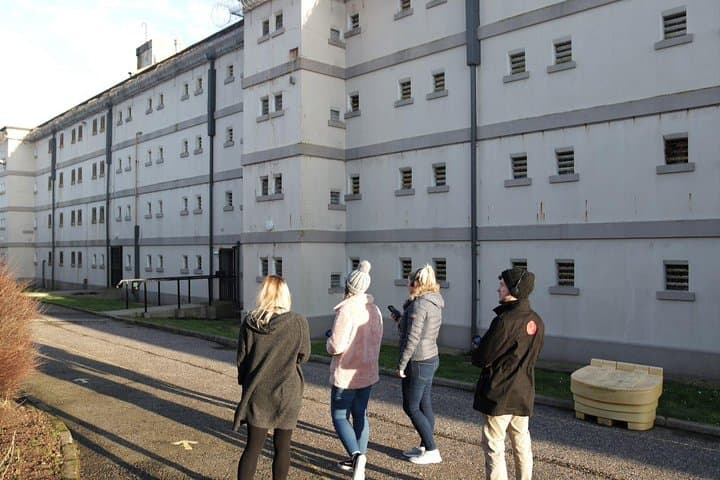
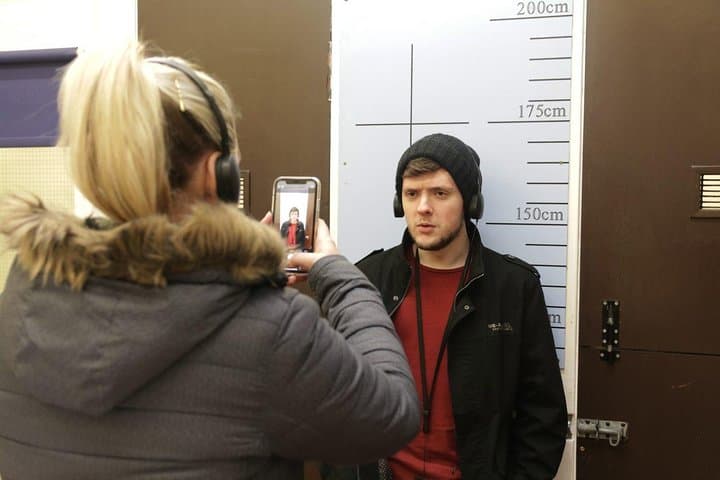
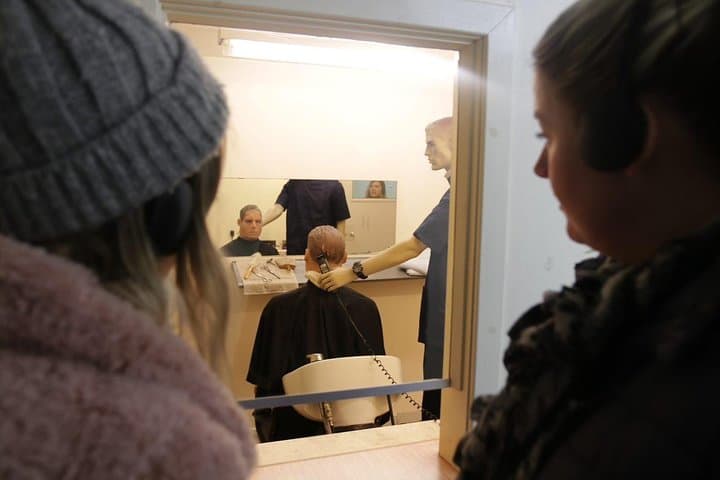
You step through a heavy gate and the air cools—the echo of boots on concrete follows you down a corridor once meant to hold the country’s most dangerous offenders. Narrow galleries funnel your movement; the museum’s audio sets bring voices of former officers and inmates into the dim light, and occasional smells—oil, stone, disinfectant—remind you this was a working prison for 125 years.
You step through a heavy gate and the air cools—the echo of boots on concrete follows you down a corridor once meant to hold the country’s most dangerous offenders. Narrow galleries funnel your movement; the museum’s audio sets bring voices of former officers and inmates into the dim light, and occasional smells—oil, stone, disinfectant—remind you this was a working prison for 125 years.
Peterhead sits on the northeastern edge of Aberdeenshire, a granite harbor town that supplied steel and men to Britain’s sea trade. The prison’s story threads industrial Britain (it hosted the country’s first state-owned railway carriage system) with a darker national moment: the 1987 SAS siege that remains unique in mainland UK policing history. Geologically, the local granite gave the yard a hard, weathered feeling; culturally, the site reflects the region’s history of law, labor and maritime economy.
The museum balances interpretation and authenticity: reconstructed cells, original fittings, and a multi-award winning audio tour that teases sight, sound and smell. Expect a paced visit—two to four hours depending on how deeply you engage with exhibits and recorded testimony.
Practicalities: the site is largely wheelchair accessible, offers mobile or paper tickets, and provides audio equipment. Wear comfortable shoes for standing and moving through narrow passages; plan for minimal on-site amenities, and allow time afterward to walk the harbor if weather permits. The experience is part museum, part sensory reconstruction—less scenic hike, more forensic walk through a singular chapter of Scotland’s penal history.