THE ADVENTURE COLLECTIVE® · Independent discovery and booking for outdoor travel

Explore the Petenes of Campeche on a guided birding and photography tour that combines mangrove boat trips with short walks to photograph rare and coastal bird species. Ideal for photographers and birders of moderate fitness, tours include coaching, lunch and binoculars if needed.
Explore the Petenes of Campeche on a guided birding and photography tour that combines mangrove boat trips with short walks to photograph rare and coastal bird species. Ideal for photographers and birders of moderate fitness, tours include coaching, lunch and binoculars if needed.
Dawn in the Petenes arrives with low light slipping through mangrove crowns and a chorus of calls guiding you down narrow channels. You move quietly in a small group, camera ready, as boat-billed herons and roseate spoonbills shift between shadow and sun; every turn presents a new angle, a different silhouette to frame.
Verified experiences and guided adventures in the surrounding area.
Operated by PhotoLifers · Campeche, Campeche
Dawn in the Petenes arrives with low light slipping through mangrove crowns and a chorus of calls guiding you down narrow channels. You move quietly in a small group, camera ready, as boat-billed herons and roseate spoonbills shift between shadow and sun; every turn presents a new angle, a different silhouette to frame.
The Petenes of Campeche are a mosaic of mangrove islands rooted on a karst platform — freshwater lenses push up through porous limestone to create pockets of forested hummocks that attract specialists and migrants alike. The area has long been used by coastal Maya and later fishing communities; today guided tours connect local knowledge with conservation-minded tourism, helping protect both habitat and livelihoods.
Expect mostly flat, short walks of 3–4 km along trails or boardwalks and time in small boats to reach better viewing points. Guides focus on patient observation and photographic coaching, teaching composition, light use, and ethical distancing so birds aren’t stressed. Midday heat and humid air shape the rhythm: mornings and late afternoons are prime for activity and best light.
Practical prep matters — bring a telephoto lens or long prime, a stable monopod, polarized filter, sun protection and plenty of water. Wear lightweight, quick-dry clothing and insect repellent. Tours commonly last a full day (around seven hours), include bottled water and lunch, and are suitable for participants in moderate physical condition. For photographers and birders who want close, memorable encounters framed by mangrove geometry and Gulf light, the Petenes deliver a focused, technically rewarding day in the field.
moderate.
6–8 hours.
Moderate: able to walk 3–4 km on flat but potentially muddy trails and sit/stand in small boats for photography
Tours are full-day experiences around seven hours and typically include a guide, bottled water, lunch, photographic coaching and optional binoculars.
Yes — guides provide coaching on composition, exposure and distancing, making it suitable for enthusiastic beginners and intermediate photographers.
Children can join; infant seats are available. Tours require moderate mobility, so very young children should be able to tolerate boat time and short walks.
Guides target likely locations and species but wildlife sightings cannot be guaranteed; tours focus on improving odds through timing, local knowledge and patient observation.
The Petenes region sits on a karst coastal plain long used by Maya coastal communities for fishing and seasonal harvesting; cultural ties continue through small fishing villages.
The Petenes Biosphere protects mangrove islands and freshwater lenses; sustainable tours help fund local stewardship, but development and water pollution remain ongoing threats.
PhotoLifers operates guided outdoor trips and adventures with an emphasis on safety, stewardship, and memorable experiences.
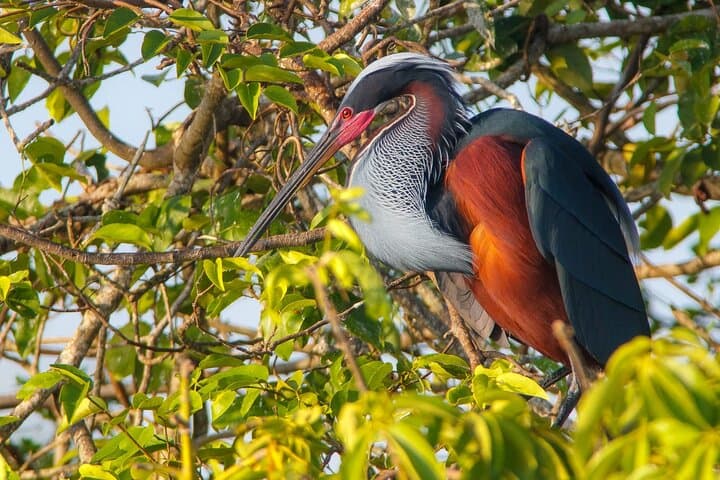
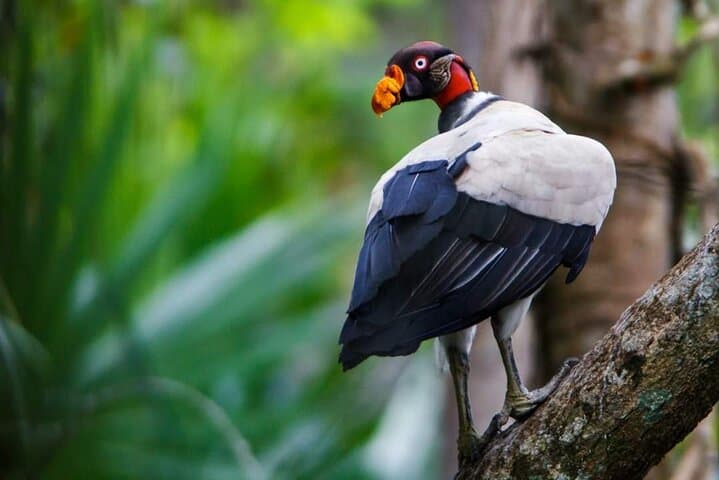
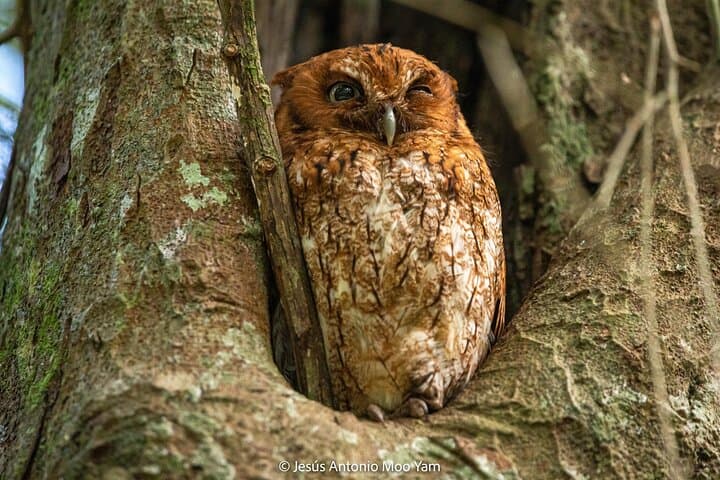
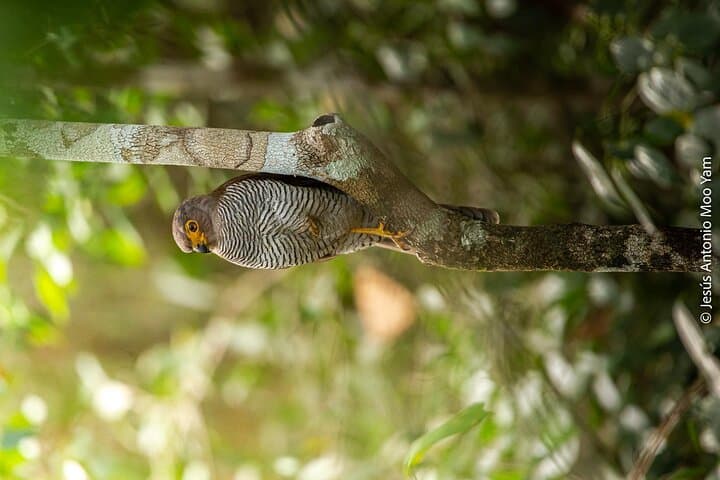
Dawn in the Petenes arrives with low light slipping through mangrove crowns and a chorus of calls guiding you down narrow channels. You move quietly in a small group, camera ready, as boat-billed herons and roseate spoonbills shift between shadow and sun; every turn presents a new angle, a different silhouette to frame.
Dawn in the Petenes arrives with low light slipping through mangrove crowns and a chorus of calls guiding you down narrow channels. You move quietly in a small group, camera ready, as boat-billed herons and roseate spoonbills shift between shadow and sun; every turn presents a new angle, a different silhouette to frame.
The Petenes of Campeche are a mosaic of mangrove islands rooted on a karst platform — freshwater lenses push up through porous limestone to create pockets of forested hummocks that attract specialists and migrants alike. The area has long been used by coastal Maya and later fishing communities; today guided tours connect local knowledge with conservation-minded tourism, helping protect both habitat and livelihoods.
Expect mostly flat, short walks of 3–4 km along trails or boardwalks and time in small boats to reach better viewing points. Guides focus on patient observation and photographic coaching, teaching composition, light use, and ethical distancing so birds aren’t stressed. Midday heat and humid air shape the rhythm: mornings and late afternoons are prime for activity and best light.
Practical prep matters — bring a telephoto lens or long prime, a stable monopod, polarized filter, sun protection and plenty of water. Wear lightweight, quick-dry clothing and insect repellent. Tours commonly last a full day (around seven hours), include bottled water and lunch, and are suitable for participants in moderate physical condition. For photographers and birders who want close, memorable encounters framed by mangrove geometry and Gulf light, the Petenes deliver a focused, technically rewarding day in the field.