THE ADVENTURE COLLECTIVE® · Independent discovery and booking for outdoor travel

Seven days across Lima, Cusco, Machu Picchu and Rainbow Mountain deliver archaeology, highland hikes and living Quechua culture. Plan for altitude, advance ticketing, and layered gear for rapidly changing mountain weather.
Seven days across Lima, Cusco, Machu Picchu and Rainbow Mountain deliver archaeology, highland hikes and living Quechua culture. Plan for altitude, advance ticketing, and layered gear for rapidly changing mountain weather.
You step off the Voyager train with the Andes pressing close, air thin and bright. Aguas Calientes hums with markets and coffee steam; behind it, Machu Picchu rises on a ridge of weathered stone, terraces spilling down toward the Vilcanota River. Days before, Lima’s colonial plazas and Larco Museum introduce Peru’s long human story; in Cusco, narrow cobbles and Inca walls announce you’ve crossed into the heartland of empire and altitude.
Verified experiences and guided adventures in the surrounding area.
Operated by Signature Tours · Cusco, Cusco
You step off the Voyager train with the Andes pressing close, air thin and bright. Aguas Calientes hums with markets and coffee steam; behind it, Machu Picchu rises on a ridge of weathered stone, terraces spilling down toward the Vilcanota River. Days before, Lima’s colonial plazas and Larco Museum introduce Peru’s long human story; in Cusco, narrow cobbles and Inca walls announce you’ve crossed into the heartland of empire and altitude.
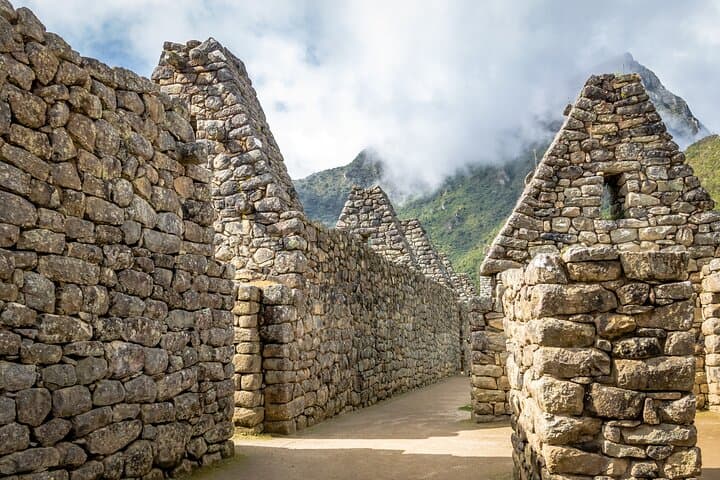
This seven-day route threads three elements: colonial Lima, highland Cusco, and the high-altitude hikes that define the region. Geology here reads like a pageant: folded volcanic and sedimentary layers pushed skyward by the Nazca and South American plates, and at Vinicunca (Rainbow Mountain) iron and other minerals oxidize in bands up to 5,200 m above sea level. Cultural echoes—Quechua traditions, colonial architecture, and Inca stonework—are visible at Coricancha, Sacsayhuamán, and the terraces of Machu Picchu.
Expect active days: a 1.5-hour train to Aguas Calientes, 25-minute bus up to the citadel, and a full-day Rainbow Mountain trek (roughly 4–6 km round trip with 300–600 m of ascent depending on trailhead). Practicalities matter here: acclimatize in Cusco (3,400 m), carry water and layers, and reserve Machu Picchu tickets early—guided entry is mandatory. Footwear with good traction, sun protection, and a small daypack will keep you moving comfortably. Time your visits for early light to avoid crowds and to see the mountains change color as the day warms—Peru’s high places reward preparation as much as curiosity.
moderate.
7 days.
Moderate fitness; comfortable with sustained walking at altitude and short steep sections on hikes.
Yes—tickets are issued in your name and entry requires matching ID; the tour operator typically handles purchase but confirm details and carry your passport.
Cusco (~3,400 m) and Vinicunca (~5,200 m) can cause symptoms; take time to acclimatize, hydrate, avoid alcohol, and consider medication if recommended by your doctor.
The common hike is about 4–6 km round trip with 300–600 m of ascent depending on the trailhead—expect 3–6 hours including breaks and photo stops.
The package lists breakfasts and some lunches plus 2 nights in Lima and 4 nights in Cusco at 4* hotels—confirm specifics and any dietary needs with the operator.
This route traces Inca political and ritual centers—Cusco was the capital of the Inca Empire and Machu Picchu served ceremonial and administrative roles tied to Pachacutec’s expansion.
High-traffic sites operate under strict ticketing and guide rules to protect fragile soils and archaeology; stick to paths, avoid single-use plastics, and support local guides and communities.
Signature Tours operates guided outdoor trips and adventures with an emphasis on safety, stewardship, and memorable experiences.

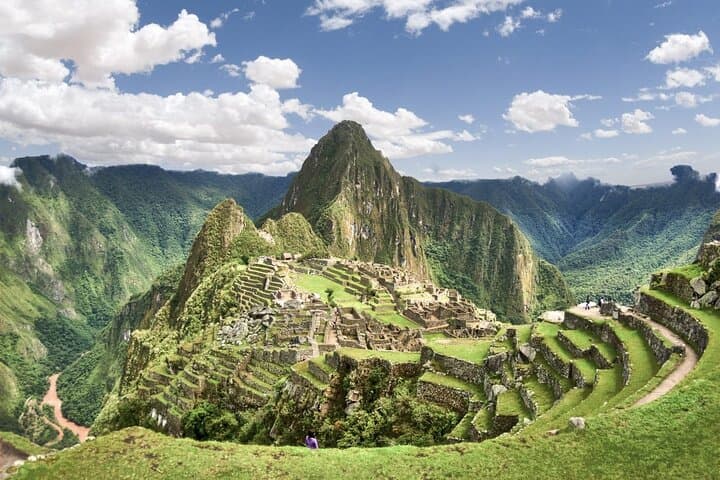
You step off the Voyager train with the Andes pressing close, air thin and bright. Aguas Calientes hums with markets and coffee steam; behind it, Machu Picchu rises on a ridge of weathered stone, terraces spilling down toward the Vilcanota River. Days before, Lima’s colonial plazas and Larco Museum introduce Peru’s long human story; in Cusco, narrow cobbles and Inca walls announce you’ve crossed into the heartland of empire and altitude.
You step off the Voyager train with the Andes pressing close, air thin and bright. Aguas Calientes hums with markets and coffee steam; behind it, Machu Picchu rises on a ridge of weathered stone, terraces spilling down toward the Vilcanota River. Days before, Lima’s colonial plazas and Larco Museum introduce Peru’s long human story; in Cusco, narrow cobbles and Inca walls announce you’ve crossed into the heartland of empire and altitude.
This seven-day route threads three elements: colonial Lima, highland Cusco, and the high-altitude hikes that define the region. Geology here reads like a pageant: folded volcanic and sedimentary layers pushed skyward by the Nazca and South American plates, and at Vinicunca (Rainbow Mountain) iron and other minerals oxidize in bands up to 5,200 m above sea level. Cultural echoes—Quechua traditions, colonial architecture, and Inca stonework—are visible at Coricancha, Sacsayhuamán, and the terraces of Machu Picchu.
Expect active days: a 1.5-hour train to Aguas Calientes, 25-minute bus up to the citadel, and a full-day Rainbow Mountain trek (roughly 4–6 km round trip with 300–600 m of ascent depending on trailhead). Practicalities matter here: acclimatize in Cusco (3,400 m), carry water and layers, and reserve Machu Picchu tickets early—guided entry is mandatory. Footwear with good traction, sun protection, and a small daypack will keep you moving comfortably. Time your visits for early light to avoid crowds and to see the mountains change color as the day warms—Peru’s high places reward preparation as much as curiosity.