THE ADVENTURE COLLECTIVE® · Independent discovery and booking for outdoor travel

Board from Fremantle for a guided, two-hour educational cruise that decodes humpback behavior and regional marine history. Ideal for families and first-time watchers, the tour blends live commentary with a strict, respectful viewing approach.
Board from Fremantle for a guided, two-hour educational cruise that decodes humpback behavior and regional marine history. Ideal for families and first-time watchers, the tour blends live commentary with a strict, respectful viewing approach.
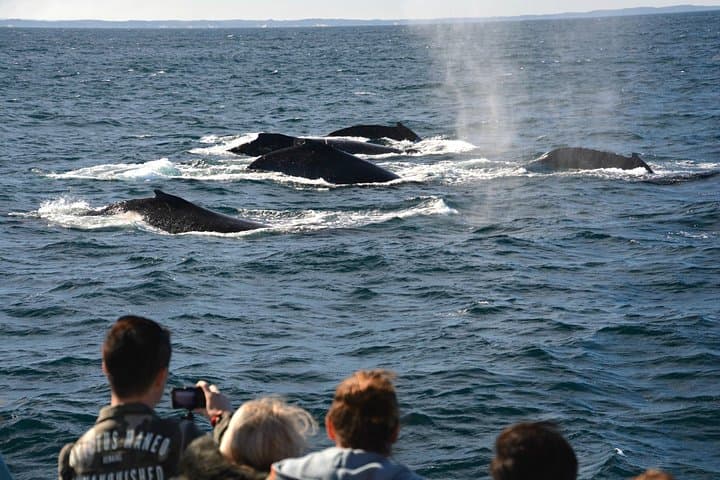
A cold breeze off the Indian Ocean hits the face as the boat slips past Fremantle’s breakwater and the harbor begins to fall away. Voices hush; binoculars clamp to eyes. On a good day the sea bristles with life—dorsal fins, spray, and the slow, rolling exhale of a humpback that has traveled thousands of kilometres. The crew narrates each sighting, translating whale behavior into plain language so the natural show becomes a lesson.
Verified experiences and guided adventures in the surrounding area.
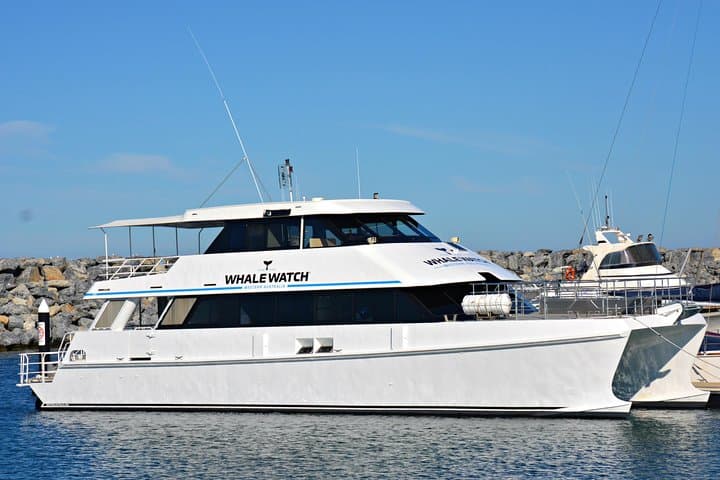
Operated by Whale Watch Western Australia · Fremantle, Western Australia
A cold breeze off the Indian Ocean hits the face as the boat slips past Fremantle’s breakwater and the harbor begins to fall away. Voices hush; binoculars clamp to eyes. On a good day the sea bristles with life—dorsal fins, spray, and the slow, rolling exhale of a humpback that has traveled thousands of kilometres. The crew narrates each sighting, translating whale behavior into plain language so the natural show becomes a lesson.
Whale migrations along Western Australia’s south coast have sustained local communities and drawn sailors for centuries. Humpbacks, returning from Antarctic feeding grounds, are the most visible visitors between late autumn and early spring. Geologically, the coastline here is shaped by ancient limestone shelves and long, sandy beaches that funnel marine traffic and create predictable whale corridors. Culturally, Fremantle’s maritime history—from Aboriginal fishing grounds to colonial ports—frames the region’s relationship with the sea.
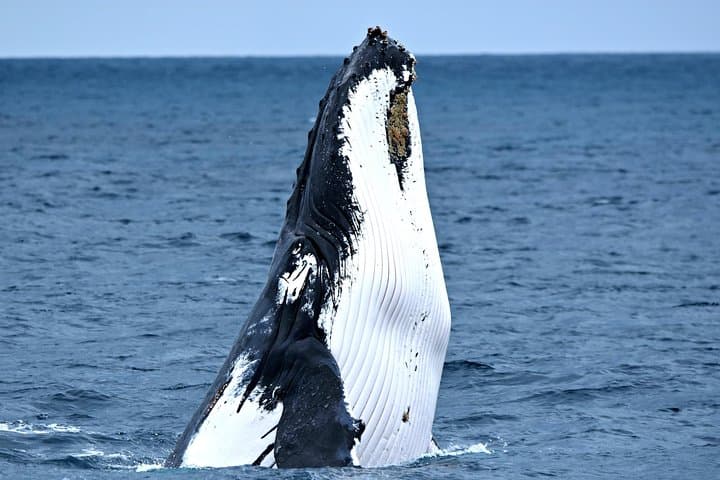
Practically, the two-hour educational cruise is designed for families and first-time watchers: expect calm educational commentary, strict approach distances, and a sighting policy that offers rebooking if whales aren’t seen. Dress in layers; winds off the Indian Ocean sharpen quickly. Bring motion-sickness prevention if you’re susceptible, and leave single-use plastics ashore when possible to minimize impact. Binoculars, a windproof layer, and a sensible sense of patience are rewarded with powerful, close encounters. Whether it’s a spyhop or a rolling breach, the experience is equal parts science and theater—clean, instructive, and tethered to the rhythms of migration.
easy.
2 hours.
Suitable for most fitness levels; boarding involves short steps and occasional ladder use
Operators commonly offer a sighting guarantee—if whales aren’t seen you’ll usually receive a return ticket for a future cruise.
Yes; many cruises welcome families and can accommodate strollers for infants, though boarding may require a short step.
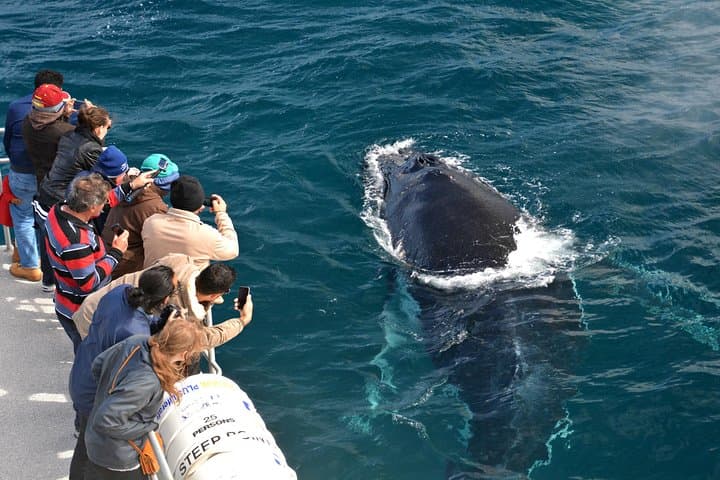
Responsible operators maintain regulated approach distances and avoid interfering with natural behaviors; crews will instruct you on safe viewing.
In southwest WA, peak humpback migration typically runs from late autumn through early spring (roughly May–September), with winter often yielding the most sightings.
The southwest coast has long been a seasonal route for migrating whales and an important area for Indigenous and maritime communities.
Operators follow ‘observe, don’t influence’ codes and local regulations; reducing plastic and noise pollution helps protect migrating whales.
Whale Watch Western Australia operates guided outdoor trips and adventures with an emphasis on safety, stewardship, and memorable experiences.
A cold breeze off the Indian Ocean hits the face as the boat slips past Fremantle’s breakwater and the harbor begins to fall away. Voices hush; binoculars clamp to eyes. On a good day the sea bristles with life—dorsal fins, spray, and the slow, rolling exhale of a humpback that has traveled thousands of kilometres. The crew narrates each sighting, translating whale behavior into plain language so the natural show becomes a lesson.
A cold breeze off the Indian Ocean hits the face as the boat slips past Fremantle’s breakwater and the harbor begins to fall away. Voices hush; binoculars clamp to eyes. On a good day the sea bristles with life—dorsal fins, spray, and the slow, rolling exhale of a humpback that has traveled thousands of kilometres. The crew narrates each sighting, translating whale behavior into plain language so the natural show becomes a lesson.
Whale migrations along Western Australia’s south coast have sustained local communities and drawn sailors for centuries. Humpbacks, returning from Antarctic feeding grounds, are the most visible visitors between late autumn and early spring. Geologically, the coastline here is shaped by ancient limestone shelves and long, sandy beaches that funnel marine traffic and create predictable whale corridors. Culturally, Fremantle’s maritime history—from Aboriginal fishing grounds to colonial ports—frames the region’s relationship with the sea.
Practically, the two-hour educational cruise is designed for families and first-time watchers: expect calm educational commentary, strict approach distances, and a sighting policy that offers rebooking if whales aren’t seen. Dress in layers; winds off the Indian Ocean sharpen quickly. Bring motion-sickness prevention if you’re susceptible, and leave single-use plastics ashore when possible to minimize impact. Binoculars, a windproof layer, and a sensible sense of patience are rewarded with powerful, close encounters. Whether it’s a spyhop or a rolling breach, the experience is equal parts science and theater—clean, instructive, and tethered to the rhythms of migration.