THE ADVENTURE COLLECTIVE® · Independent discovery and booking for outdoor travel

See three iconic Western Australian landscapes in one day by air and land: the carved sweep of Wave Rock, the alien spires of the Pinnacles, and Rottnest Island’s beaches and quokkas. Fast-paced, scenic and ideal for photographers who want maximum variety with minimal driving.
See three iconic Western Australian landscapes in one day by air and land: the carved sweep of Wave Rock, the alien spires of the Pinnacles, and Rottnest Island’s beaches and quokkas. Fast-paced, scenic and ideal for photographers who want maximum variety with minimal driving.
The twin prop’s hum lowers as the shoreline gives way to scrub and straight-backed wheat paddocks; beneath the wing, Western Australia opens like a map you can step into. By mid-morning you’re standing at the base of Wave Rock, a 110‑metre sweep of banded granite that looks as if a giant has taken a knife to the earth and frozen the curl. Sun slants across its face and the rock seems to move — water made stone — while Hippo’s Yawn peers around the corner, indifferent and oddly alive.
Verified experiences and guided adventures in the surrounding area.
Operated by Kookaburra Air · Perth, Western Australia
The twin prop’s hum lowers as the shoreline gives way to scrub and straight-backed wheat paddocks; beneath the wing, Western Australia opens like a map you can step into. By mid-morning you’re standing at the base of Wave Rock, a 110‑metre sweep of banded granite that looks as if a giant has taken a knife to the earth and frozen the curl. Sun slants across its face and the rock seems to move — water made stone — while Hippo’s Yawn peers around the corner, indifferent and oddly alive.
This looped-day itinerary stitches three very different landscapes into one clear, efficient day: the ancient wave of Hyden, the lunar ridges of the Pinnacles near Cervantes, and the low, salt-sprayed coast of Rottnest Island where quokkas pose like small, smiling locals. Geologically, Wave Rock is part of a weathered granite inselberg shaped over millions of years; the Pinnacles are limestone columns formed from seashell deposits and marine sediments 25,000–30,000 years ago and sculpted by wind and rain. Rottnest, separated from the mainland after the last ice age, is a coral and limestone outcrop with shallow bays that make for excellent afternoon swims.
There’s cultural depth here too: the Noongar people have long-standing connections to the land around Wave Rock, and local guides often touch on creation stories tied to these formations. Rottnest’s name is a blunt historical footnote — a 17th‑century Dutch skipper mistook quokkas for giant rats. Today, conservation rules keep the island’s wildlife safe: don’t feed the quokkas, keep to tracks, and respect signage at sensitive Pinnacles sites.
Practicalities shape the experience. The full tour runs roughly 10 hours and blends short scenic flights with 60–120 minute ground stops; expect roughly 40–75 minutes in the air between major segments depending on routing. Wear sturdy shoes for Wave Rock and the Pinnacles — sand and uneven limestone demand grip. Bring sun protection and plenty of water; the midday sun in summer can be intense and flights or transfers may be adjusted for weather and weight restrictions, so leave flexible plans for the evening.
For photographers, morning light flatters Wave Rock’s bands, while late afternoon softens Rottnest’s beaches. If you want to swim, tuck your swimsuit into a small daypack — time on the island is limited and you’ll want to move quickly between viewpoints, quokkas and a quick dip. The tour’s pace is brisk but revealing: it compresses hundreds of coastal and inland kilometers into a single, panoramic loop, giving you a sense of Western Australia’s scale without the long drives. If you like your adventure condensed, aerially framed and efficient, this one‑day circuit is hard to beat.
moderate.
10 hours.
Moderate fitness required — short walks over uneven ground and getting on/off small aircraft.
Expect about 10 hours from meeting to return; the day mixes short scenic flights with 1–2 hour ground stops at each site, so it’s fast‑paced but not rushed.
Yes — small aircraft have strict weight and balance limits; the operator asks for passenger weights at booking and may adjust seating or limit luggage.
Infants can travel but must sit on an adult’s lap; the tour notes stroller accessibility for young children but check age recommendations with the operator.
There’s usually a short window for swimming or snorkelling depending on schedule and weather; bring swimwear and a towel if you want to take a dip.
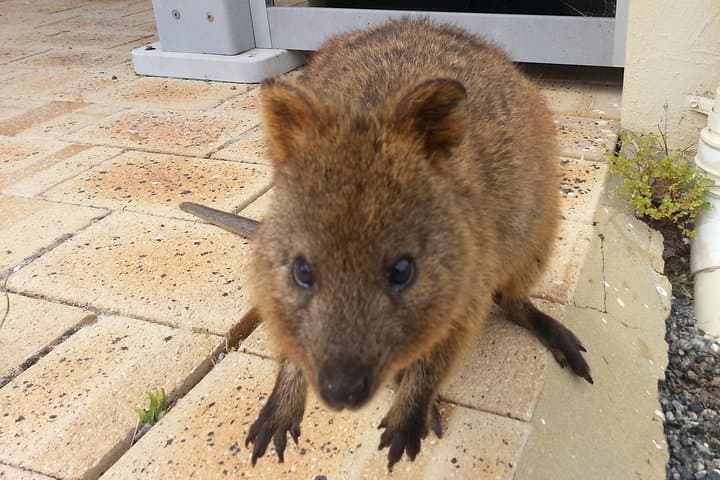
Quokkas are protected — do not feed or chase them. Keep interactions calm and follow island signage; you can take close photos but respect their space.
Flights are weather‑dependent; tours may be postponed or cancelled for safety, with refunds or rescheduling options per the operator’s policy.
The Noongar people have cultural ties to the Wave Rock area, while Rottnest’s colonial name comes from Dutch mariners who mistook quokkas for rodents.
Respect signage and wildlife rules: do not feed quokkas, stick to marked tracks in fragile dune and Pinnacles habitats, and minimize drone use to reduce disturbance.
Kookaburra Air operates guided outdoor trips and adventures with an emphasis on safety, stewardship, and memorable experiences.
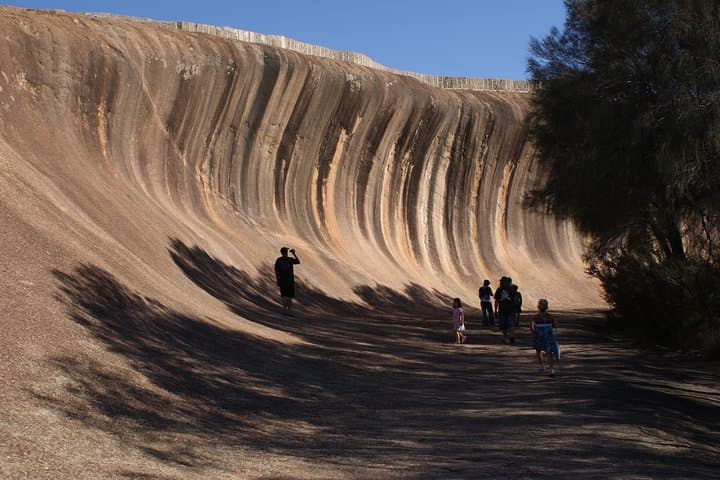
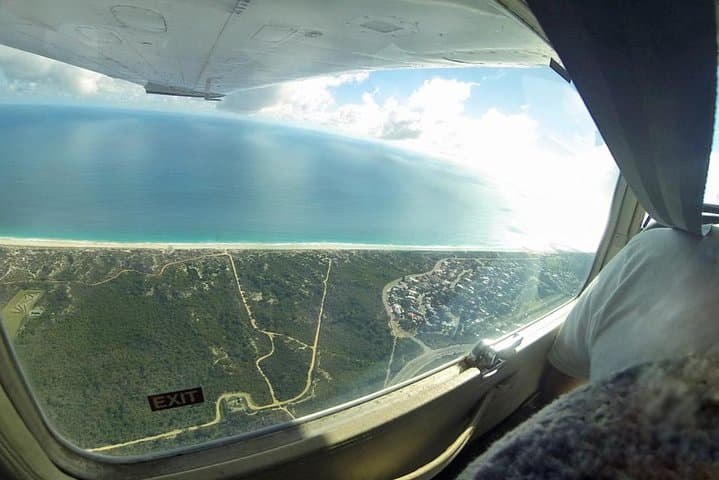
The twin prop’s hum lowers as the shoreline gives way to scrub and straight-backed wheat paddocks; beneath the wing, Western Australia opens like a map you can step into. By mid-morning you’re standing at the base of Wave Rock, a 110‑metre sweep of banded granite that looks as if a giant has taken a knife to the earth and frozen the curl. Sun slants across its face and the rock seems to move — water made stone — while Hippo’s Yawn peers around the corner, indifferent and oddly alive.
The twin prop’s hum lowers as the shoreline gives way to scrub and straight-backed wheat paddocks; beneath the wing, Western Australia opens like a map you can step into. By mid-morning you’re standing at the base of Wave Rock, a 110‑metre sweep of banded granite that looks as if a giant has taken a knife to the earth and frozen the curl. Sun slants across its face and the rock seems to move — water made stone — while Hippo’s Yawn peers around the corner, indifferent and oddly alive.
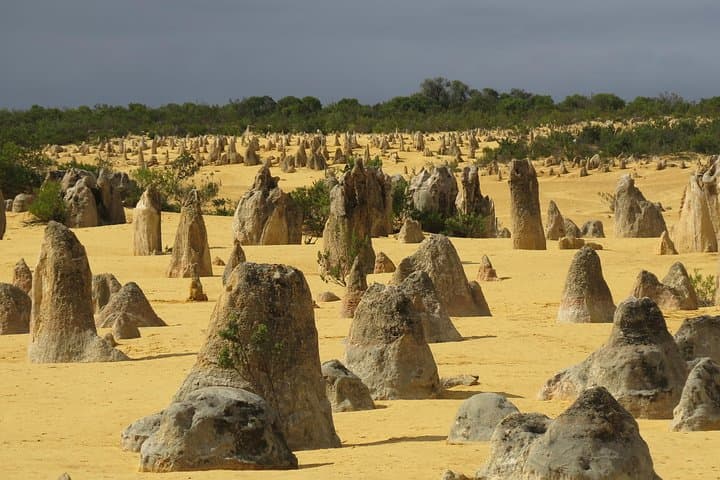
This looped-day itinerary stitches three very different landscapes into one clear, efficient day: the ancient wave of Hyden, the lunar ridges of the Pinnacles near Cervantes, and the low, salt-sprayed coast of Rottnest Island where quokkas pose like small, smiling locals. Geologically, Wave Rock is part of a weathered granite inselberg shaped over millions of years; the Pinnacles are limestone columns formed from seashell deposits and marine sediments 25,000–30,000 years ago and sculpted by wind and rain. Rottnest, separated from the mainland after the last ice age, is a coral and limestone outcrop with shallow bays that make for excellent afternoon swims.
There’s cultural depth here too: the Noongar people have long-standing connections to the land around Wave Rock, and local guides often touch on creation stories tied to these formations. Rottnest’s name is a blunt historical footnote — a 17th‑century Dutch skipper mistook quokkas for giant rats. Today, conservation rules keep the island’s wildlife safe: don’t feed the quokkas, keep to tracks, and respect signage at sensitive Pinnacles sites.
Practicalities shape the experience. The full tour runs roughly 10 hours and blends short scenic flights with 60–120 minute ground stops; expect roughly 40–75 minutes in the air between major segments depending on routing. Wear sturdy shoes for Wave Rock and the Pinnacles — sand and uneven limestone demand grip. Bring sun protection and plenty of water; the midday sun in summer can be intense and flights or transfers may be adjusted for weather and weight restrictions, so leave flexible plans for the evening.
For photographers, morning light flatters Wave Rock’s bands, while late afternoon softens Rottnest’s beaches. If you want to swim, tuck your swimsuit into a small daypack — time on the island is limited and you’ll want to move quickly between viewpoints, quokkas and a quick dip. The tour’s pace is brisk but revealing: it compresses hundreds of coastal and inland kilometers into a single, panoramic loop, giving you a sense of Western Australia’s scale without the long drives. If you like your adventure condensed, aerially framed and efficient, this one‑day circuit is hard to beat.