THE ADVENTURE COLLECTIVE® · Independent discovery and booking for outdoor travel

Four days of vehicle-based game drives through Tarangire, the Serengeti and Ngorongoro deliver high-density wildlife viewing and dramatic landscapes shaped by volcanic geology and Maasai culture. Expect early mornings, lodge and tented-camp nights, and guided drives focused on the Great Migration and resident megafauna.
Four days of vehicle-based game drives through Tarangire, the Serengeti and Ngorongoro deliver high-density wildlife viewing and dramatic landscapes shaped by volcanic geology and Maasai culture. Expect early mornings, lodge and tented-camp nights, and guided drives focused on the Great Migration and resident megafauna.
Dawn in northern Tanzania arrives like a slow-turning film: headlights cut across the Rift Valley, and acacia silhouettes sharpen against an orange sky. Your vehicle climbs out of Arusha and the landscape shifts—baobab-studded riverbeds in Tarangire, endless grass seas in the Serengeti, and the enclosed green bowl of Ngorongoro where animals congregate like a congregation at water.
Verified experiences and guided adventures in the surrounding area.
Operated by Glimpse of Tanzania · Arusha, Arusha Region
Dawn in northern Tanzania arrives like a slow-turning film: headlights cut across the Rift Valley, and acacia silhouettes sharpen against an orange sky. Your vehicle climbs out of Arusha and the landscape shifts—baobab-studded riverbeds in Tarangire, endless grass seas in the Serengeti, and the enclosed green bowl of Ngorongoro where animals congregate like a congregation at water.
These places are shaped by deep time and people. The Ngorongoro Crater is a collapsed volcanic caldera formed millions of years ago; its rim holds Maasai grazing lands and livelihoods that have threaded community stewardship with conservation. The Serengeti’s plains are geological sweep and seasonal rhythm—the Great Migration follows rainfall and grass, a movement older than maps.
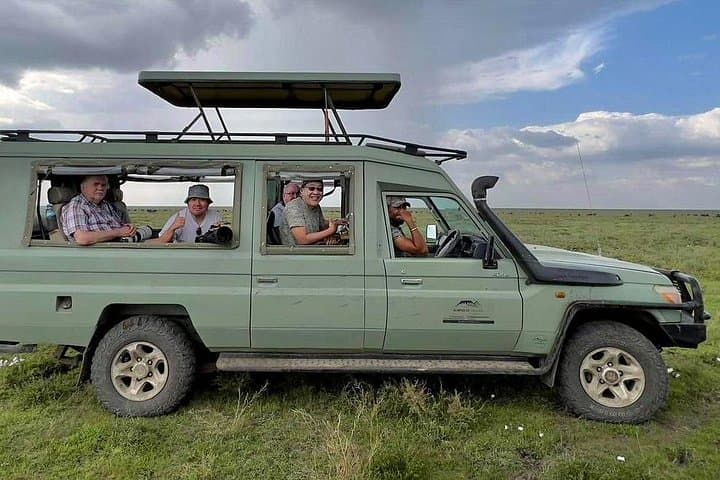
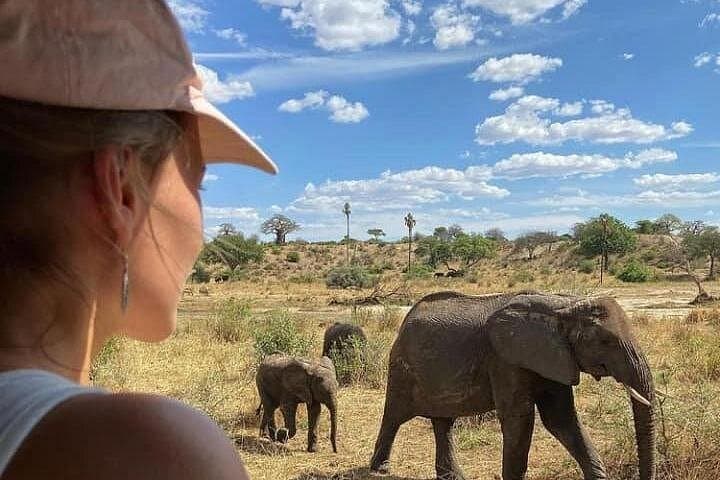
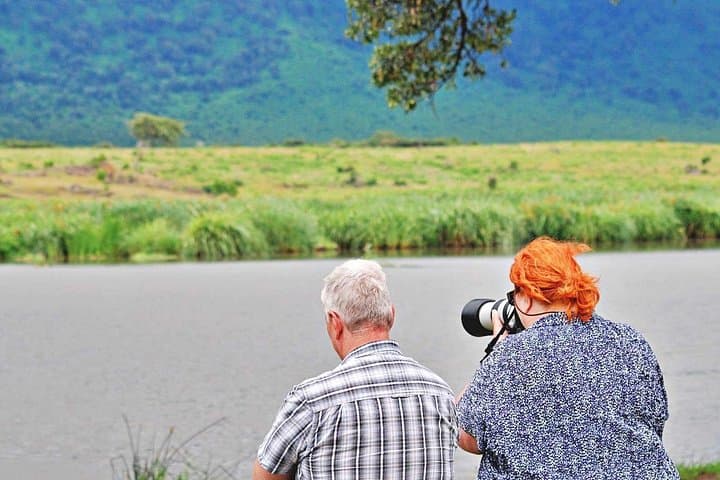
Game drives are the mode here: slow, observational, and governed by the light. Expect repeated sightings of elephants in Tarangire, high concentrations of predators and migratory herds in the Serengeti, and the dense, year-round populations of Ngorongoro that make tracking diverse species straightforward.
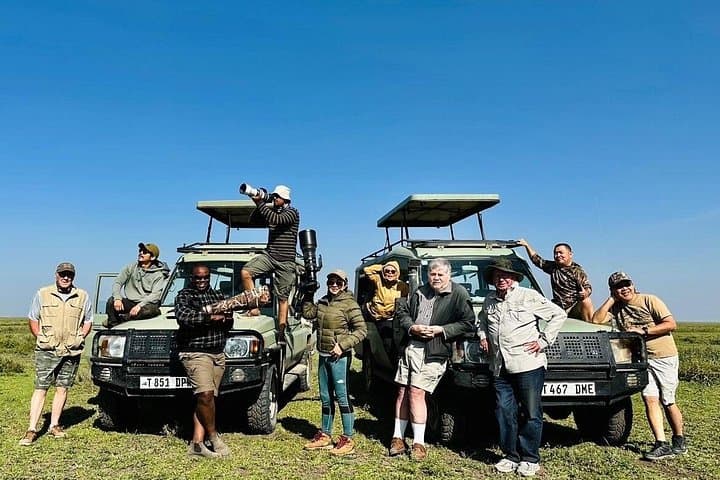
Practically: travel is vehicle-based with lodge and tented-camp nights, early wake-ups for sunrise drives, and picnic lunches in park-designated sites. Bring binoculars and a sun kit, hydrate between drives, and wear layered clothing for cold mornings and hot afternoons. Park conservation fees fund protection—stay on roads, follow guide instructions, and respect wildlife distances.
This 4-day loop suits travelers who want concentrated wildlife viewing with comfortable logistics—minimal hiking but maximum horizon. Plan for early departures, institutional park rules, and the simple, patient work of watching a lion decide whether to move. It’s not just sightseeing; it’s time spent tuned to the land’s rhythms.
easy.
4 days.
Minimal fitness required—mostly vehicle-based game drives with short walks at picnic sites; able to handle bumpy roads and early mornings.
Check Tanzania requirements before travel—routine travel vaccinations are recommended and some travelers must show yellow fever vaccination; visas can be obtained online or on arrival depending on nationality.
The Great Migration’s location shifts seasonally; June–October is generally best for predator action and large herds in northern Serengeti, but timing varies year to year.
No—the itinerary is vehicle-based with short walks; participants should manage uneven terrain and early starts but do not need advanced fitness.
Lodges and light aircraft (if used) often limit soft-sided bags and weight—confirm with the operator and pack compactly for transfers.
Ngorongoro’s caldera formed from a collapsed volcano; Maasai culture and traditional grazing have long shaped land use and local conservation efforts.
Park fees and conservation levies fund anti-poaching and community programs—stay on roads, avoid feeding animals, and support local guides to reduce impact.
Glimpse of Tanzania operates guided outdoor trips and adventures with an emphasis on safety, stewardship, and memorable experiences.
Dawn in northern Tanzania arrives like a slow-turning film: headlights cut across the Rift Valley, and acacia silhouettes sharpen against an orange sky. Your vehicle climbs out of Arusha and the landscape shifts—baobab-studded riverbeds in Tarangire, endless grass seas in the Serengeti, and the enclosed green bowl of Ngorongoro where animals congregate like a congregation at water.
Dawn in northern Tanzania arrives like a slow-turning film: headlights cut across the Rift Valley, and acacia silhouettes sharpen against an orange sky. Your vehicle climbs out of Arusha and the landscape shifts—baobab-studded riverbeds in Tarangire, endless grass seas in the Serengeti, and the enclosed green bowl of Ngorongoro where animals congregate like a congregation at water.
These places are shaped by deep time and people. The Ngorongoro Crater is a collapsed volcanic caldera formed millions of years ago; its rim holds Maasai grazing lands and livelihoods that have threaded community stewardship with conservation. The Serengeti’s plains are geological sweep and seasonal rhythm—the Great Migration follows rainfall and grass, a movement older than maps.
Game drives are the mode here: slow, observational, and governed by the light. Expect repeated sightings of elephants in Tarangire, high concentrations of predators and migratory herds in the Serengeti, and the dense, year-round populations of Ngorongoro that make tracking diverse species straightforward.
Practically: travel is vehicle-based with lodge and tented-camp nights, early wake-ups for sunrise drives, and picnic lunches in park-designated sites. Bring binoculars and a sun kit, hydrate between drives, and wear layered clothing for cold mornings and hot afternoons. Park conservation fees fund protection—stay on roads, follow guide instructions, and respect wildlife distances.
This 4-day loop suits travelers who want concentrated wildlife viewing with comfortable logistics—minimal hiking but maximum horizon. Plan for early departures, institutional park rules, and the simple, patient work of watching a lion decide whether to move. It’s not just sightseeing; it’s time spent tuned to the land’s rhythms.