THE ADVENTURE COLLECTIVE® · Independent discovery and booking for outdoor travel

Start your Kyoto visit with a private, customizable walking tour that aligns with your interests and pace. Expect temple visits, garden stops, and local insights with a guide who tailors routes and timing.
Start your Kyoto visit with a private, customizable walking tour that aligns with your interests and pace. Expect temple visits, garden stops, and local insights with a guide who tailors routes and timing.
The morning air along Kyoto’s lanes feels deliberate — paper lanterns unlit, stone steps still cool underfoot, and the Kamo River pushing a steady current that invites slow conversation. A private guide shapes the day to your pace: temples, a shrine with love fortune stones, a garden where moss takes its time, and a pagoda that pins the horizon.
Verified experiences and guided adventures in the surrounding area.
Operated by Hero Tour Japan · Kyoto, Kyoto Prefecture
The morning air along Kyoto’s lanes feels deliberate — paper lanterns unlit, stone steps still cool underfoot, and the Kamo River pushing a steady current that invites slow conversation. A private guide shapes the day to your pace: temples, a shrine with love fortune stones, a garden where moss takes its time, and a pagoda that pins the horizon.
Kyoto was Japan’s imperial capital for more than a millennium, so every alley carries layers of history: Heian-era street plans, Momoyama-period temples, and Edo merchants’ storefronts converted into teahouses. The geology — weathered granite and volcanic ash soils — feeds mossy temple gardens and koi ponds. Culturally, expect refined restraint: quiet prayers, bowing at thresholds, and a habit of removing shoes where indicated.
Practically, this is a walking, customizable private tour (3–8 hours) priced at about $50 per hour per group. Terrain is mostly paved streets and temple steps; elevation gain is minimal but some sites feature steep stairs. Admission fees are typically not included, and wheelchair-accessible routing is possible on request; mention mobility needs when booking. Timing matters: early mornings or late afternoons reduce crowds and soften light for photography. Bring comfortable shoes, a small daypack, cash for small shrines and market snacks, and a portable charger — phone translation and transit apps help a flexible itinerary.
A guided welcome lets you trade guesswork for local context: which shrine grants a love fortune and how a garden frames the changing seasons. It’s a paced, practical way to start Kyoto — familiar landmarks, quieter corners, and a guide who tailors each step to your interests.
easy.
3–8 hours.
Light walking ability; able to stand and walk for several hours with rest breaks.
Yes — the tour is private and customizable for your group; you can request sites, meal types, and duration.
Admission fees are typically not included in the guide fee; expect to pay on-site for temple or garden entries.
Yes — many areas and transport options are wheelchair accessible, but some historic sites have unavoidable steps; notify the guide in advance.
Book via the provided product link and confirm details with the guide; the listed rate is about $50 per hour per group and cancellation requires 24+ hours for a full refund.
Kyoto served as Japan’s imperial capital from 794 until 1868, concentrating temples, shrines, and classical garden forms developed over centuries.
High visitor traffic stresses historic sites and delicate moss gardens; stick to marked paths, avoid touching artifacts, and support local businesses to keep neighborhoods sustainable.
Hero Tour Japan operates guided outdoor trips and adventures with an emphasis on safety, stewardship, and memorable experiences.
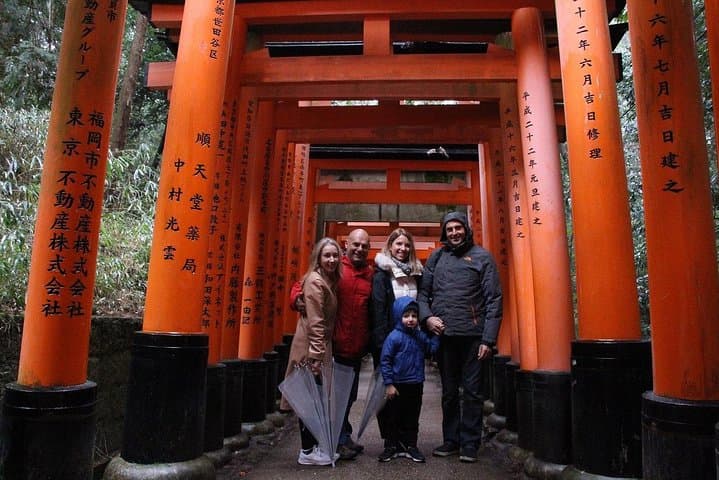
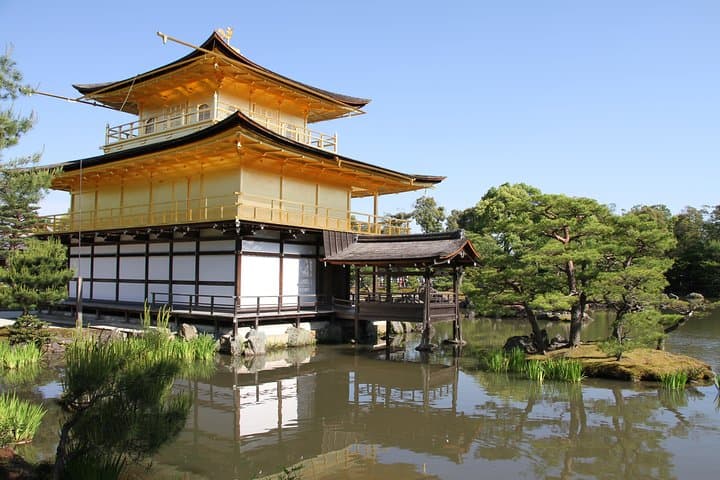
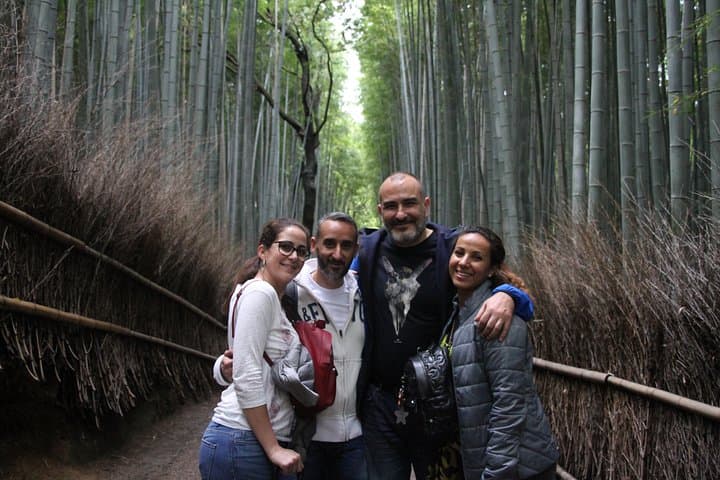
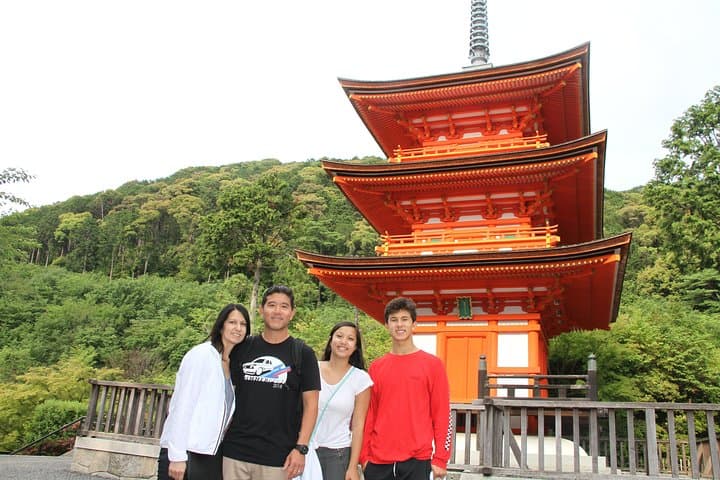
The morning air along Kyoto’s lanes feels deliberate — paper lanterns unlit, stone steps still cool underfoot, and the Kamo River pushing a steady current that invites slow conversation. A private guide shapes the day to your pace: temples, a shrine with love fortune stones, a garden where moss takes its time, and a pagoda that pins the horizon.
The morning air along Kyoto’s lanes feels deliberate — paper lanterns unlit, stone steps still cool underfoot, and the Kamo River pushing a steady current that invites slow conversation. A private guide shapes the day to your pace: temples, a shrine with love fortune stones, a garden where moss takes its time, and a pagoda that pins the horizon.
Kyoto was Japan’s imperial capital for more than a millennium, so every alley carries layers of history: Heian-era street plans, Momoyama-period temples, and Edo merchants’ storefronts converted into teahouses. The geology — weathered granite and volcanic ash soils — feeds mossy temple gardens and koi ponds. Culturally, expect refined restraint: quiet prayers, bowing at thresholds, and a habit of removing shoes where indicated.
Practically, this is a walking, customizable private tour (3–8 hours) priced at about $50 per hour per group. Terrain is mostly paved streets and temple steps; elevation gain is minimal but some sites feature steep stairs. Admission fees are typically not included, and wheelchair-accessible routing is possible on request; mention mobility needs when booking. Timing matters: early mornings or late afternoons reduce crowds and soften light for photography. Bring comfortable shoes, a small daypack, cash for small shrines and market snacks, and a portable charger — phone translation and transit apps help a flexible itinerary.
A guided welcome lets you trade guesswork for local context: which shrine grants a love fortune and how a garden frames the changing seasons. It’s a paced, practical way to start Kyoto — familiar landmarks, quieter corners, and a guide who tailors each step to your interests.