THE ADVENTURE COLLECTIVE® · Independent discovery and booking for outdoor travel

Walk Kamakura with a native guide who blends temple history, short coastal hikes and local food stops. This customizable day tour uses the Enoden train, forest paths and seaside views to showcase the town's samurai-era sites and quieter backstreets.
Walk Kamakura with a native guide who blends temple history, short coastal hikes and local food stops. This customizable day tour uses the Enoden train, forest paths and seaside views to showcase the town's samurai-era sites and quieter backstreets.
A cool salt breeze rolls off Yuigahama as you step from the station into a town where history presses close to the sea. Your local guide threads narrow lanes and temple paths with easy confidence, pausing at red torii gates, mossed steps and a bronze Buddha that has watched the surf for centuries.
Verified experiences and guided adventures in the surrounding area.
Operated by Tia · Kamakura, Kanagawa
A cool salt breeze rolls off Yuigahama as you step from the station into a town where history presses close to the sea. Your local guide threads narrow lanes and temple paths with easy confidence, pausing at red torii gates, mossed steps and a bronze Buddha that has watched the surf for centuries.
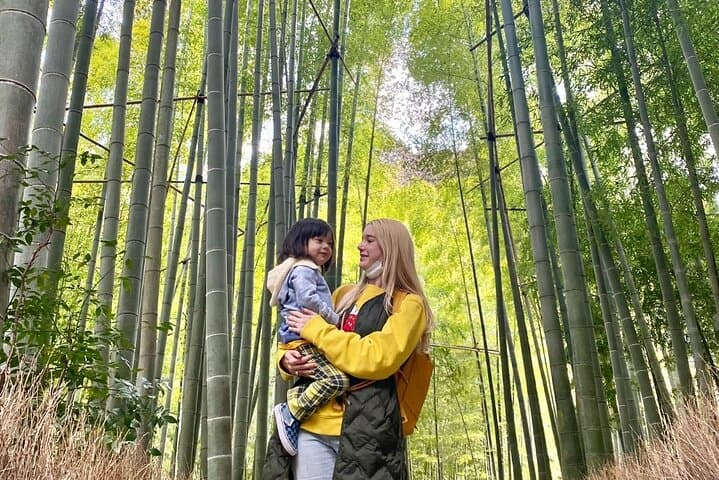
Kamakura was the political center of medieval Japan, the seat of the Kamakura shogunate from the late 12th century, and that samurai legacy is written in shrine gates, Zen cloisters and carved stone lanterns. Geologically, the town sits at the edge of low coastal hills formed by uplift and erosion—those hills hide forested trails and bamboo groves that feel a world away from the main streets. Culture here balances ritual and seaside leisure: morning prayers at Hachimangu, afternoon snacks on Komachi Street, dinner at a small izakaya as lanterns come on.
Expect a mix of paved streets, temple steps, and short forest hikes; distances are flexible but a full-day route often covers 8–12 km with several short climbs and terraces. Your guide handles transit logistics (including the Enoden train), temple admissions and local stories; they also carry bottled water and can customize pacing.
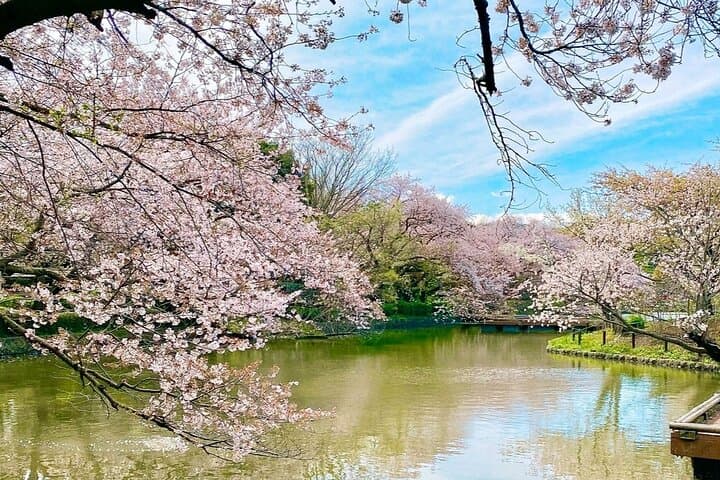
Practical tips: start early to beat crowds, wear sturdy shoes for stone steps and muddy trails after rain, and carry cash for small shrine offerings and snacks. Time your visit for hydrangea season in June or quieter shoulder months for cooler walks and clearer views of the coast.
easy.
4–8 hours.
Suitable for most people who can walk several kilometers and manage short stair climbs; pace is adjustable by the guide.
Meet on foot at Kamakura station; the area is served by JR and Enoden train lines and is easy to reach from Yokohama or Tokyo by regular commuter trains.
The tour description notes entrance fees are included for temples and shrines listed, but confirm specifics with the guide when booking.
Some routes include steps and narrow paths; the guide can customize the itinerary for relaxed pacing, but full stroller accessibility may be limited on hill trails.
Yes—this private personalized tour is designed to be flexible; indicate requirements when booking so the guide can plan suitable stops and a comfortable pace.
Kamakura served as Japan’s political center under the Kamakura shogunate (late 12th–14th centuries), shaping the town’s many Zen temples and samurai-era sites.
High visitor numbers make staying on marked paths and avoiding litter important; support local temples and shops to help maintain historical sites and gardens.
Tia operates guided outdoor trips and adventures with an emphasis on safety, stewardship, and memorable experiences.
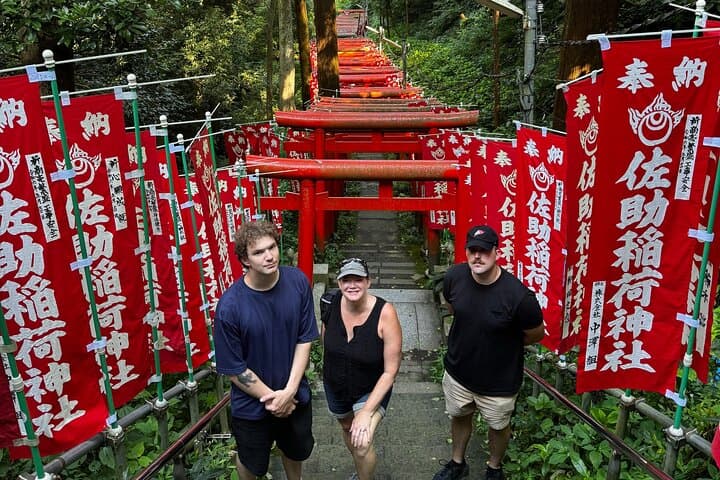

A cool salt breeze rolls off Yuigahama as you step from the station into a town where history presses close to the sea. Your local guide threads narrow lanes and temple paths with easy confidence, pausing at red torii gates, mossed steps and a bronze Buddha that has watched the surf for centuries.
A cool salt breeze rolls off Yuigahama as you step from the station into a town where history presses close to the sea. Your local guide threads narrow lanes and temple paths with easy confidence, pausing at red torii gates, mossed steps and a bronze Buddha that has watched the surf for centuries.
Kamakura was the political center of medieval Japan, the seat of the Kamakura shogunate from the late 12th century, and that samurai legacy is written in shrine gates, Zen cloisters and carved stone lanterns. Geologically, the town sits at the edge of low coastal hills formed by uplift and erosion—those hills hide forested trails and bamboo groves that feel a world away from the main streets. Culture here balances ritual and seaside leisure: morning prayers at Hachimangu, afternoon snacks on Komachi Street, dinner at a small izakaya as lanterns come on.
Expect a mix of paved streets, temple steps, and short forest hikes; distances are flexible but a full-day route often covers 8–12 km with several short climbs and terraces. Your guide handles transit logistics (including the Enoden train), temple admissions and local stories; they also carry bottled water and can customize pacing.
Practical tips: start early to beat crowds, wear sturdy shoes for stone steps and muddy trails after rain, and carry cash for small shrine offerings and snacks. Time your visit for hydrangea season in June or quieter shoulder months for cooler walks and clearer views of the coast.