THE ADVENTURE COLLECTIVE® · Independent discovery and booking for outdoor travel

Invite a Māori Pōwhiri into your wedding day to create a meaningful welcome that acknowledges local iwi, frames your celebration, and gives guests a memorable cultural moment. Practical tips on timing, accessibility, and etiquette help you plan the right place and moment.
Invite a Māori Pōwhiri into your wedding day to create a meaningful welcome that acknowledges local iwi, frames your celebration, and gives guests a memorable cultural moment. Practical tips on timing, accessibility, and etiquette help you plan the right place and moment.
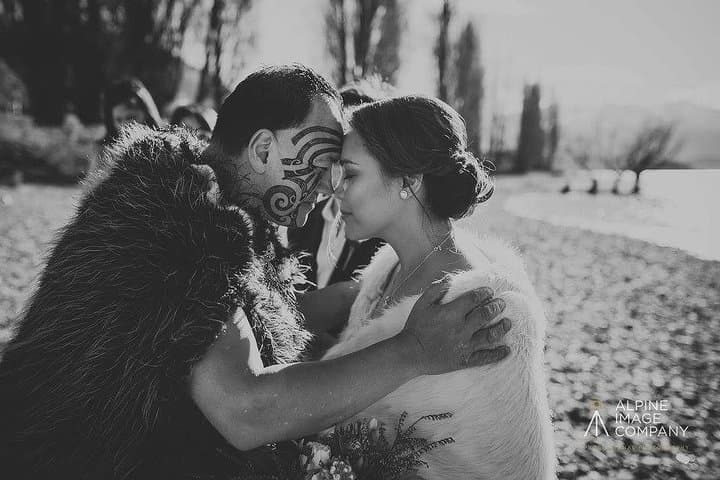
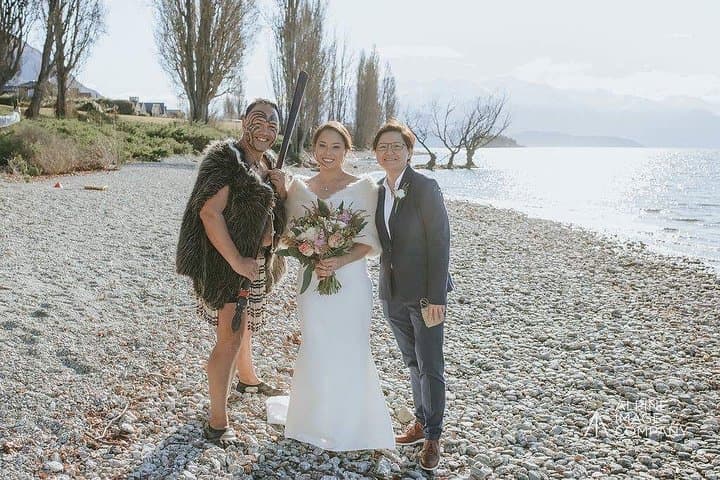
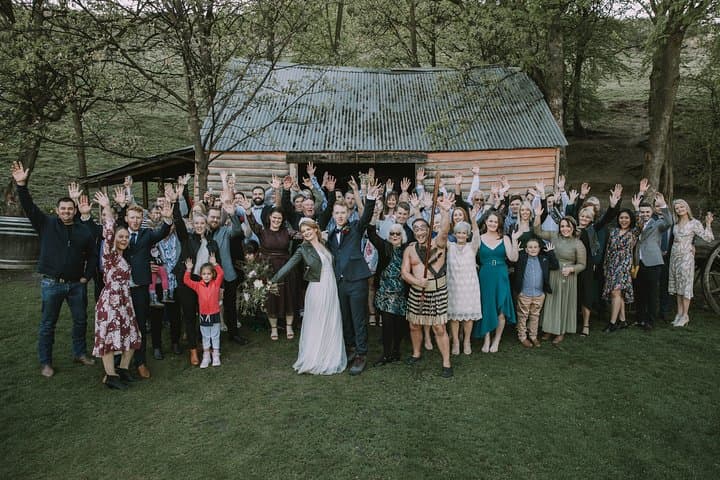
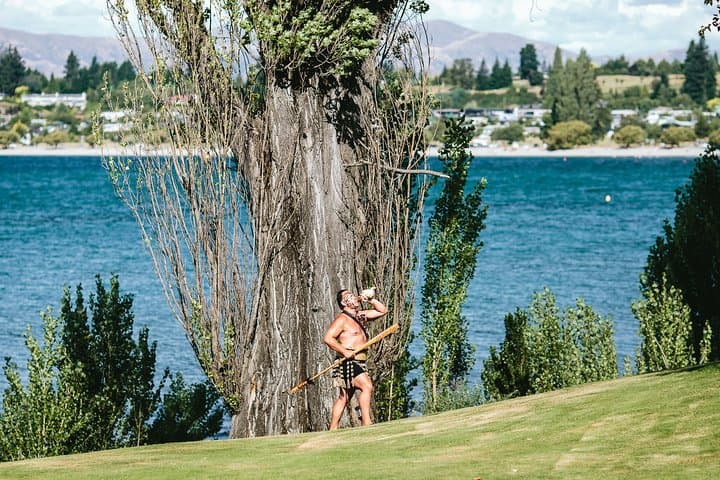
The ceremony opens with a single taut breath of alpine air—lake water lapping, beech forest quiet—then the Māori warrior steps forward and the space changes. A Wero (challenge) may be offered, not as conflict but as a formal check of intent; hands meet in a hongi greeting, and the haka that follows declares welcome and belonging.
Verified experiences and guided adventures in the surrounding area.
Operated by WanaHaka Wine Tours Maori Culture · Wanaka, Otago
The ceremony opens with a single taut breath of alpine air—lake water lapping, beech forest quiet—then the Māori warrior steps forward and the space changes. A Wero (challenge) may be offered, not as conflict but as a formal check of intent; hands meet in a hongi greeting, and the haka that follows declares welcome and belonging.
This brief, powerful exchange connects your wedding party to the wider history of Te Waipounamu (the South Island). The ritual draws on Māori protocols developed over centuries: the Wero, the hongi, and the haka each carry meanings rooted in iwi practice and local whakapapa. Wanaka and Queenstown sit on schist and greywacke bedrock scoured by glacial ice; the landscape—lakes, rivers, and ridgelines—has long shaped Māori travel routes and seasonal food gathering.
For couples, the welcome is both symbolic and practical: it formalizes intent, acknowledges mana whenua (local guardianship), and offers guests an immediate cultural frame for the day. It’s most effective when scheduled before the bridal party’s entrance or during a pre-wedding gathering when family can experience it together.
Practical guidance: allow 20–30 minutes in the schedule, check sightlines so all guests can see and hear, and discuss pronunciation and personalization with the performer ahead of time. Note accessibility is generally good—many performances accommodate wheelchairs and children. Respectful photography is welcome, but confirm with performers if you want posed shots. Expect a small travel surcharge if the venue is outside Wanaka CBD. Book early and treat this moment as a cultural exchange—planned, practiced, and given space to land.
easy.
30 minutes.
Suitable for all fitness levels; mobility support available for guests with limited mobility
Typically 20–30 minutes including the Wero, hongi explanation, and a haka; allow extra time for photos or introductions.
Yes—performances can be adapted for indoor and outdoor venues; discuss space, acoustics, and sightlines with the performer in advance.
Yes—the ceremony is family-friendly and the provider notes wheelchair and stroller accessibility; inform them of any mobility needs when booking.
Possibly—there may be a per-kilometre fuel surcharge from Wanaka CBD to your venue; confirm fees during booking.
The Pōwhiri draws from long-standing Māori protocols used to welcome visitors and establish safe engagement; local versions reflect the customs of Ngāi Tahu and nearby iwi.
Respect for sites is important—avoid trampling shorelines or disturbing native bush, and work with local vendors who prioritize ecological practices.
WanaHaka Wine Tours Maori Culture operates guided outdoor trips and adventures with an emphasis on safety, stewardship, and memorable experiences.
The ceremony opens with a single taut breath of alpine air—lake water lapping, beech forest quiet—then the Māori warrior steps forward and the space changes. A Wero (challenge) may be offered, not as conflict but as a formal check of intent; hands meet in a hongi greeting, and the haka that follows declares welcome and belonging.
The ceremony opens with a single taut breath of alpine air—lake water lapping, beech forest quiet—then the Māori warrior steps forward and the space changes. A Wero (challenge) may be offered, not as conflict but as a formal check of intent; hands meet in a hongi greeting, and the haka that follows declares welcome and belonging.
This brief, powerful exchange connects your wedding party to the wider history of Te Waipounamu (the South Island). The ritual draws on Māori protocols developed over centuries: the Wero, the hongi, and the haka each carry meanings rooted in iwi practice and local whakapapa. Wanaka and Queenstown sit on schist and greywacke bedrock scoured by glacial ice; the landscape—lakes, rivers, and ridgelines—has long shaped Māori travel routes and seasonal food gathering.
For couples, the welcome is both symbolic and practical: it formalizes intent, acknowledges mana whenua (local guardianship), and offers guests an immediate cultural frame for the day. It’s most effective when scheduled before the bridal party’s entrance or during a pre-wedding gathering when family can experience it together.
Practical guidance: allow 20–30 minutes in the schedule, check sightlines so all guests can see and hear, and discuss pronunciation and personalization with the performer ahead of time. Note accessibility is generally good—many performances accommodate wheelchairs and children. Respectful photography is welcome, but confirm with performers if you want posed shots. Expect a small travel surcharge if the venue is outside Wanaka CBD. Book early and treat this moment as a cultural exchange—planned, practiced, and given space to land.