THE ADVENTURE COLLECTIVE® · Independent discovery and booking for outdoor travel

Spend a full day exploring Perge’s stadium, Aspendos’ world-class Roman theatre and Side’s coastal ruins. This guided tour from Antalya combines archaeology, a waterfall photo stop and a included lunch — ideal for history-minded travelers with a taste for easy walking.
Spend a full day exploring Perge’s stadium, Aspendos’ world-class Roman theatre and Side’s coastal ruins. This guided tour from Antalya combines archaeology, a waterfall photo stop and a included lunch — ideal for history-minded travelers with a taste for easy walking.
Morning light hits the olive groves as the coach rolls out of Antalya and the coast compresses into a sequence of ruins and red-rock foothills. By midmorning you’re standing on stone that has heard Roman footsteps for two millennia: columns rise and a swept arena opens at Perge, where a ruined stadium, baths and agora sketch civic life in hard light.
Verified experiences and guided adventures in the surrounding area.
Operated by Gref Travel · Antalya, Antalya Province
Morning light hits the olive groves as the coach rolls out of Antalya and the coast compresses into a sequence of ruins and red-rock foothills. By midmorning you’re standing on stone that has heard Roman footsteps for two millennia: columns rise and a swept arena opens at Perge, where a ruined stadium, baths and agora sketch civic life in hard light.
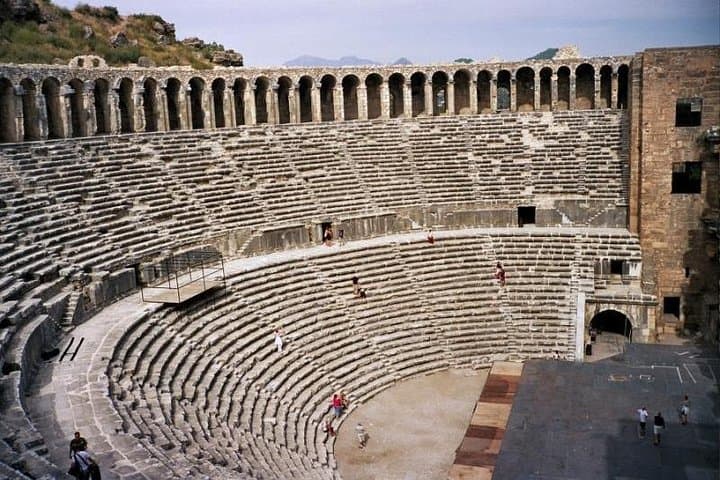
Aspendos arrives with a theatrical hush—the best-preserved Roman theatre in the region, its curved tiers and perfect acoustics still commanding performances. Nearby aqueduct fragments remind you the place once pushed water and people the same direction. The route threads toward Side, where the Temple of Apollo watches the sea; on clear days the Mediterranean dares you with its blue horizon.
Geology here is limestone and alluvial plains carved by ancient rivers; ruins cling where stone was easy to cut and fertile valleys fed cities. Culturally, these sites reflect Pamphylia’s turnover from Hellenistic polis to Roman provincial hub. Local guides typically weave archaeological context with practical navigation—how temples re-used earlier stones, where mosaics survive beneath modern streets.
Practical guidance: expect a full 9-hour day with several moderate walks on uneven, dusty surfaces. Wear sturdy walking shoes, sun protection and carry a refillable water bottle; some sites sell tickets at the gate, while lunch and coach transfers are usually included. Bring small change for market stalls on the Side promenade and plan for photos at the waterfall stop—short but scenic. The rhythm of the tour is steady: history first, theatre hush, seaside finish—efficient, informative, and grounded in the landscape.
easy.
9 hours.
Suitable for travelers in average fitness able to walk short stretches on uneven ground; not strenuous.
Not all entrance fees are included; the operator usually includes the waterfall ticket and lunch, but expect to pay at-site fees for some archaeological areas unless specified otherwise.
Yes—most bookings include air-conditioned coach transfers with specified pickup points; confirm your pickup location at booking.
Each stop involves 20–90 minutes of on-foot exploration on uneven ground and steps; the tour is rated easy but includes multiple short walks.
Infants and small children can join, but strollers may be impractical inside ruins; infants are generally required to sit on an adult’s lap during transport.
These sites were central to Pamphylia and later Roman provincial administration; Aspendos’ theatre is famed for its preservation and acoustic design.
Ongoing conservation focuses on stabilizing exposed structures and managing visitor impact; stick to marked paths and avoid touching fragile masonry.
Gref Travel operates guided outdoor trips and adventures with an emphasis on safety, stewardship, and memorable experiences.


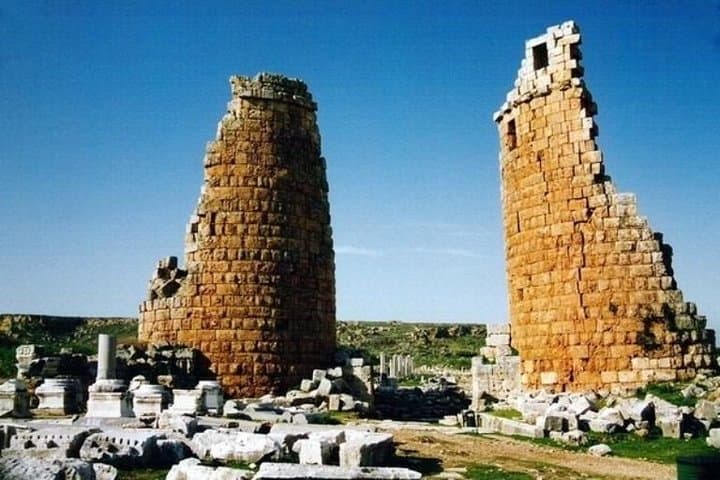
Morning light hits the olive groves as the coach rolls out of Antalya and the coast compresses into a sequence of ruins and red-rock foothills. By midmorning you’re standing on stone that has heard Roman footsteps for two millennia: columns rise and a swept arena opens at Perge, where a ruined stadium, baths and agora sketch civic life in hard light.
Morning light hits the olive groves as the coach rolls out of Antalya and the coast compresses into a sequence of ruins and red-rock foothills. By midmorning you’re standing on stone that has heard Roman footsteps for two millennia: columns rise and a swept arena opens at Perge, where a ruined stadium, baths and agora sketch civic life in hard light.
Aspendos arrives with a theatrical hush—the best-preserved Roman theatre in the region, its curved tiers and perfect acoustics still commanding performances. Nearby aqueduct fragments remind you the place once pushed water and people the same direction. The route threads toward Side, where the Temple of Apollo watches the sea; on clear days the Mediterranean dares you with its blue horizon.
Geology here is limestone and alluvial plains carved by ancient rivers; ruins cling where stone was easy to cut and fertile valleys fed cities. Culturally, these sites reflect Pamphylia’s turnover from Hellenistic polis to Roman provincial hub. Local guides typically weave archaeological context with practical navigation—how temples re-used earlier stones, where mosaics survive beneath modern streets.
Practical guidance: expect a full 9-hour day with several moderate walks on uneven, dusty surfaces. Wear sturdy walking shoes, sun protection and carry a refillable water bottle; some sites sell tickets at the gate, while lunch and coach transfers are usually included. Bring small change for market stalls on the Side promenade and plan for photos at the waterfall stop—short but scenic. The rhythm of the tour is steady: history first, theatre hush, seaside finish—efficient, informative, and grounded in the landscape.