THE ADVENTURE COLLECTIVE® · Independent discovery and booking for outdoor travel

Walk Roman streets, sit in one of the world’s best-preserved theaters and cool off by a low, fast river — all in a single day from Antalya. This full-day tour pairs archaeological depth with a riverside respite at Manavgat Falls.
Walk Roman streets, sit in one of the world’s best-preserved theaters and cool off by a low, fast river — all in a single day from Antalya. This full-day tour pairs archaeological depth with a riverside respite at Manavgat Falls.
You step off the coach into a sun-soft morning and the stone of Perge meets your shoes — a city gate still standing where traders once funneled through. Columns rise like arguments in favor of staying longer; the stadium’s curve draws your eye and the agora’s colonnades seem to remember every footfall.
Verified experiences and guided adventures in the surrounding area.
Operated by LTI TRAVEL · Antalya, Antalya Province
You step off the coach into a sun-soft morning and the stone of Perge meets your shoes — a city gate still standing where traders once funneled through. Columns rise like arguments in favor of staying longer; the stadium’s curve draws your eye and the agora’s colonnades seem to remember every footfall.
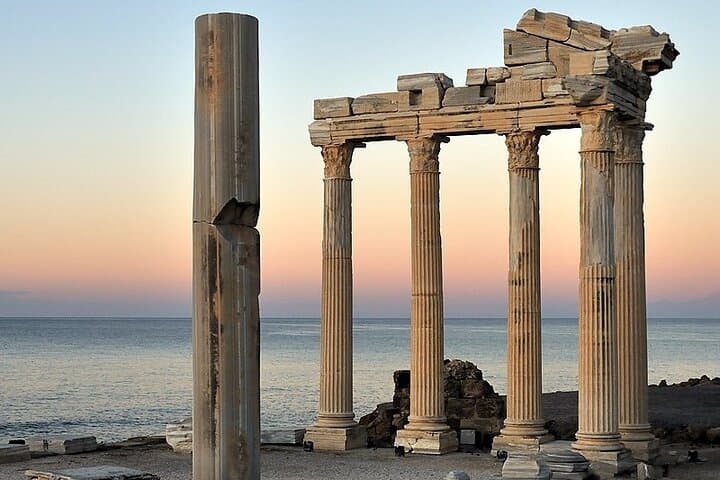
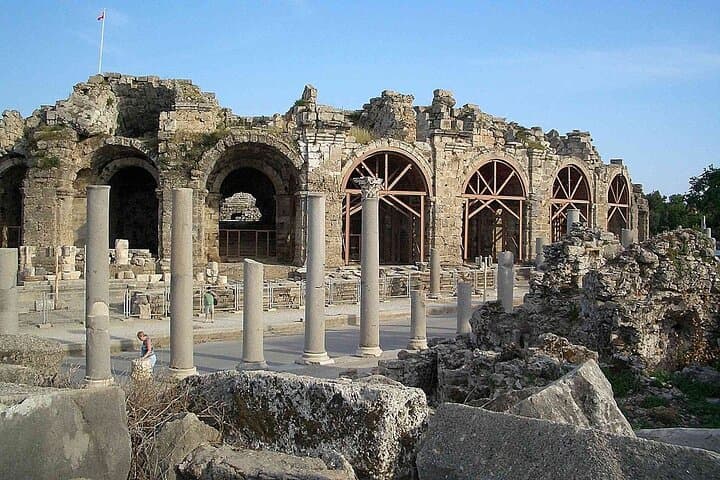
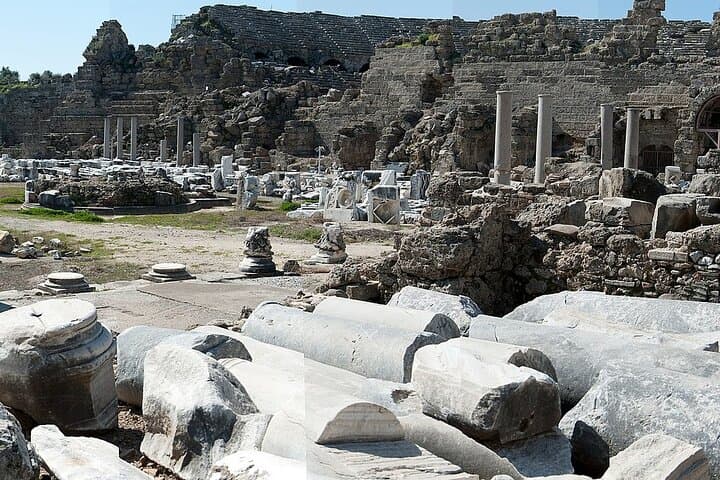
This route threads Hellenistic foundations through Roman urban planning: Perge’s monumental gates and baths speak to centuries of civic life, Aspendos’ theater — built under Marcus Aurelius — showcases Roman acoustics and engineering, and Side’s Temple of Apollo crowns a peninsula where maritime trade shaped local culture. Geology matters here too: limestone plateaus carved by Mediterranean rivers created the narrow valleys and the shallow cascades at Manavgat. The Köprüçay/Eüromedon once carried timber and grain; now it dares you to slow down and listen.
Local life is present — village lunches by the river, fishermen on the side promenade, and artisans selling simple ceramics — giving context to the ruins rather than crowding them. Guides translate inscriptions and point out reused spolia, weaving material culture into modern daily rhythms.
Practical guidance: this is a full-day, 7–8 hour outing with moderate walking on uneven archaeological stones and river-side paths. Wear sturdy shoes with grip, sun protection, and bring a small daypack with water and a light layer for coastal breezes. Expect restroom stops at tourist facilities and a riverside lunch; admissions for some sites may be separate. Start early to avoid heat and maximize light for photos.
easy.
7–8 hours.
Suitable for most fitness levels; expect several kilometers of walking on uneven archaeological surfaces and some short, unpaved paths
Entrance fees vary by site; the tour listing shows some admissions are not included (Perge, Aspendos, Side) while access to Manavgat waterfalls is typically covered—confirm with the operator at booking.
Yes — the tour includes hotel pick-up and drop-off in Antalya and nearby resort areas; pickup point questions are requested at booking.
The itinerary is marked physically easy and allows strollers on flat sections, but infants must sit on laps during transportation; uneven ruins may be challenging for very young children.
Guides often speak multiple languages but availability can vary; check the booking page or request language needs when reserving.
Perge was a significant Hellenistic city later rebuilt by Romans; Aspendos’ theater dates to the 2nd century AD under Marcus Aurelius and demonstrates classical Roman engineering.
Visitor pressure and souvenir collecting threaten fragile mosaics and carved stone; stick to designated paths, avoid touching fragile surfaces, and minimize plastic use to help protect these sites.
LTI TRAVEL operates guided outdoor trips and adventures with an emphasis on safety, stewardship, and memorable experiences.
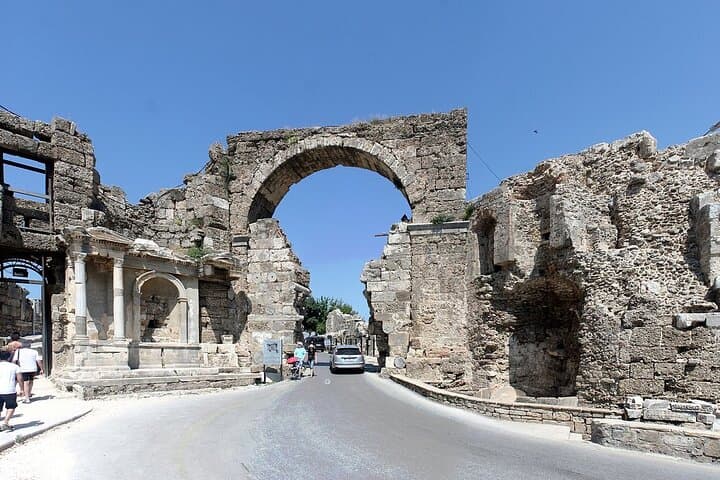
You step off the coach into a sun-soft morning and the stone of Perge meets your shoes — a city gate still standing where traders once funneled through. Columns rise like arguments in favor of staying longer; the stadium’s curve draws your eye and the agora’s colonnades seem to remember every footfall.
You step off the coach into a sun-soft morning and the stone of Perge meets your shoes — a city gate still standing where traders once funneled through. Columns rise like arguments in favor of staying longer; the stadium’s curve draws your eye and the agora’s colonnades seem to remember every footfall.
This route threads Hellenistic foundations through Roman urban planning: Perge’s monumental gates and baths speak to centuries of civic life, Aspendos’ theater — built under Marcus Aurelius — showcases Roman acoustics and engineering, and Side’s Temple of Apollo crowns a peninsula where maritime trade shaped local culture. Geology matters here too: limestone plateaus carved by Mediterranean rivers created the narrow valleys and the shallow cascades at Manavgat. The Köprüçay/Eüromedon once carried timber and grain; now it dares you to slow down and listen.
Local life is present — village lunches by the river, fishermen on the side promenade, and artisans selling simple ceramics — giving context to the ruins rather than crowding them. Guides translate inscriptions and point out reused spolia, weaving material culture into modern daily rhythms.
Practical guidance: this is a full-day, 7–8 hour outing with moderate walking on uneven archaeological stones and river-side paths. Wear sturdy shoes with grip, sun protection, and bring a small daypack with water and a light layer for coastal breezes. Expect restroom stops at tourist facilities and a riverside lunch; admissions for some sites may be separate. Start early to avoid heat and maximize light for photos.