THE ADVENTURE COLLECTIVE® · Independent discovery and booking for outdoor travel

Cruise from Peniche’s port along a dramatic coastline to search for bottlenose dolphins, caves and rock arches. This two-hour excursion combines wildlife viewing with geological scenery and practical tips for a comfortable outing.
Cruise from Peniche’s port along a dramatic coastline to search for bottlenose dolphins, caves and rock arches. This two-hour excursion combines wildlife viewing with geological scenery and practical tips for a comfortable outing.
A cold wind off the Atlantic lifts spray across the bow as the boat slides out of Peniche harbour and the coast opens into a corridor of cliffs and caves. Sea birds wheel overhead and the dark water ahead seems to hold its breath; moments later a slate-grey fin breaks the surface and a bottlenose dolphin arcs in a flash of speed, as if the ocean itself were showing you a secret.
Verified experiences and guided adventures in the surrounding area.
Operated by Atlantis Water Fun · Peniche, Leiria
A cold wind off the Atlantic lifts spray across the bow as the boat slides out of Peniche harbour and the coast opens into a corridor of cliffs and caves. Sea birds wheel overhead and the dark water ahead seems to hold its breath; moments later a slate-grey fin breaks the surface and a bottlenose dolphin arcs in a flash of speed, as if the ocean itself were showing you a secret.
This stretch of Portugal’s west coast has long been a highway for marine life and a working seafaring landscape. The cliffs here are largely Cretaceous sandstones and limestones, carved by relentless waves into caves, stacks and narrow coves; the nearby Berlenga archipelago was a navigational landmark and a fortified refuge from privateers. Local fishing towns like Peniche still carry that maritime heritage — nets, boats and seafood markets — and boat operators often weave natural history and human stories into the run.
Expect a focused wildlife encounter rather than a guaranteed show: bottlenose dolphins are the most frequently sighted species, but the area also hosts turtles, seabirds and occasional larger cetaceans. The route typically runs between Cabo Carvoeiro and the Berlenga shooting area before returning past Areia Branca beaches, taking roughly 1.5–3 hours depending on conditions.
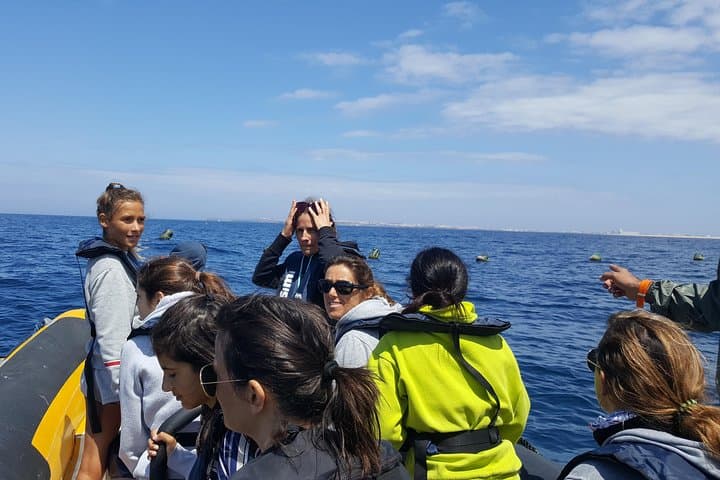
Practical guidance: book in advance, arrive 20–30 minutes early, and wear non-slip shoes and layered waterproofs. Bring motion-sickness prevention if you’re sensitive, binoculars for distant pods, and a camera with a fast shutter. Operators supply life jackets and will cancel for unsafe seas — check weather and minimum passenger requirements before departure.
easy.
1.5–3 hours.
Suitable for most fitness levels; requires the ability to board a small vessel and stand for periods.
No—sightings are common but not guaranteed; operators follow sightings reports and natural patterns, and trips can be canceled for safety or poor conditions.
Boarding a small vessel requires stepping down and holding steady on a moving deck; contact the operator in advance to discuss assistance and accessibility options.
Take preventative medication before boarding, choose a mid-ship seat where motion is least noticeable, and focus on the horizon; crew can advise on remedies.
The cruise typically lasts 1.5–3 hours (often advertised as 2 hours) and departs from Peniche Port—arrive early for check-in and safety briefing.
Peniche’s economy and coastal culture have long revolved around fishing and seamanship; nearby Berlenga has been used as a maritime lookout and defensive site since the 16th century.
Operators typically follow local guidelines to minimize disturbance to marine life; respect keep-clear distances and avoid littering to protect the fragile coastal ecosystem.
Atlantis Water Fun operates guided outdoor trips and adventures with an emphasis on safety, stewardship, and memorable experiences.
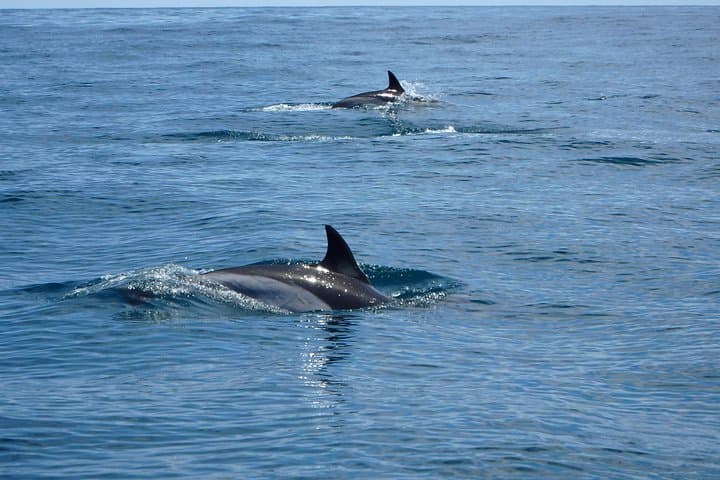
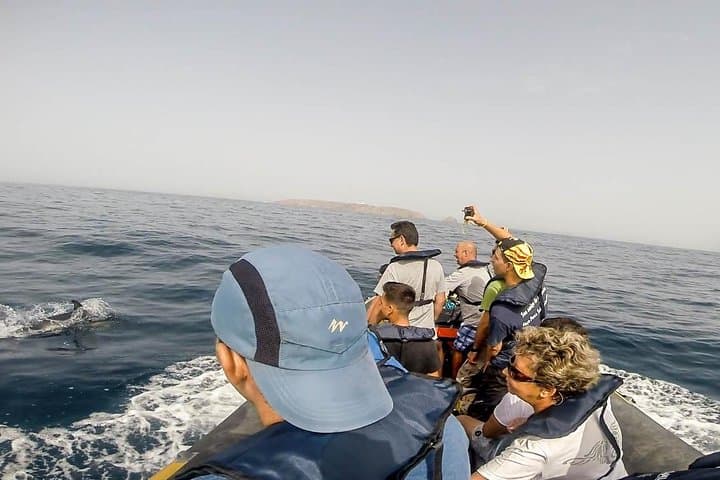
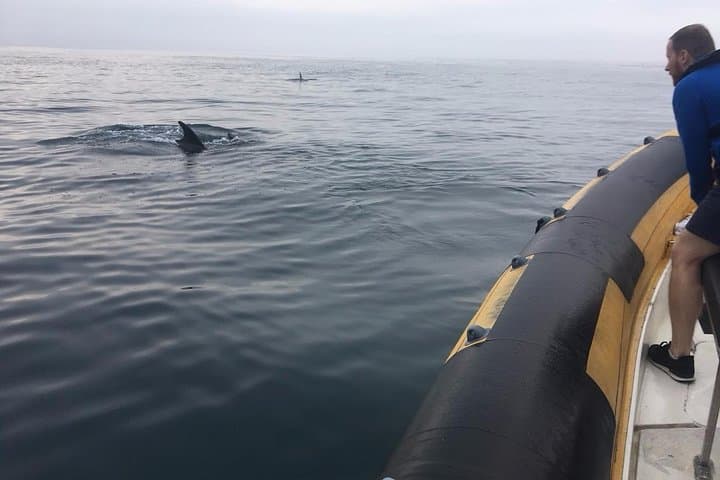
A cold wind off the Atlantic lifts spray across the bow as the boat slides out of Peniche harbour and the coast opens into a corridor of cliffs and caves. Sea birds wheel overhead and the dark water ahead seems to hold its breath; moments later a slate-grey fin breaks the surface and a bottlenose dolphin arcs in a flash of speed, as if the ocean itself were showing you a secret.
A cold wind off the Atlantic lifts spray across the bow as the boat slides out of Peniche harbour and the coast opens into a corridor of cliffs and caves. Sea birds wheel overhead and the dark water ahead seems to hold its breath; moments later a slate-grey fin breaks the surface and a bottlenose dolphin arcs in a flash of speed, as if the ocean itself were showing you a secret.
This stretch of Portugal’s west coast has long been a highway for marine life and a working seafaring landscape. The cliffs here are largely Cretaceous sandstones and limestones, carved by relentless waves into caves, stacks and narrow coves; the nearby Berlenga archipelago was a navigational landmark and a fortified refuge from privateers. Local fishing towns like Peniche still carry that maritime heritage — nets, boats and seafood markets — and boat operators often weave natural history and human stories into the run.
Expect a focused wildlife encounter rather than a guaranteed show: bottlenose dolphins are the most frequently sighted species, but the area also hosts turtles, seabirds and occasional larger cetaceans. The route typically runs between Cabo Carvoeiro and the Berlenga shooting area before returning past Areia Branca beaches, taking roughly 1.5–3 hours depending on conditions.
Practical guidance: book in advance, arrive 20–30 minutes early, and wear non-slip shoes and layered waterproofs. Bring motion-sickness prevention if you’re sensitive, binoculars for distant pods, and a camera with a fast shutter. Operators supply life jackets and will cancel for unsafe seas — check weather and minimum passenger requirements before departure.