THE ADVENTURE COLLECTIVE® · Independent discovery and booking for outdoor travel

Walk Penarth with a local: discover Victorian docks, coastal vistas from the South Wales Coastal Path, and the best places to eat and drink. This 1–2 hour guided stroll pairs history and practical local tips.
Walk Penarth with a local: discover Victorian docks, coastal vistas from the South Wales Coastal Path, and the best places to eat and drink. This 1–2 hour guided stroll pairs history and practical local tips.
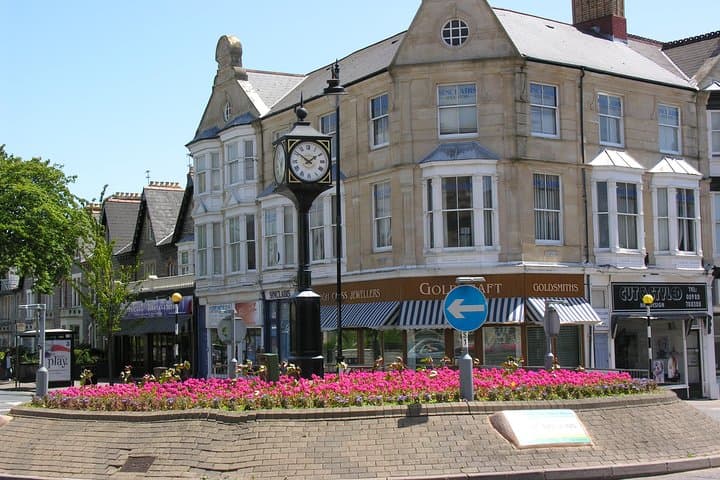
You step off the high street and the air changes — briny and sharp from the Bristol Channel, gulls arguing over a discarded chip. The tour threads the esplanade, climbs to the highest point on the South Wales Coastal Path and pauses for a view where the channel stretches flat to the Irish Sea.
Verified experiences and guided adventures in the surrounding area.
Operated by Peter Walford · Penarth, Wales
You step off the high street and the air changes — briny and sharp from the Bristol Channel, gulls arguing over a discarded chip. The tour threads the esplanade, climbs to the highest point on the South Wales Coastal Path and pauses for a view where the channel stretches flat to the Irish Sea.
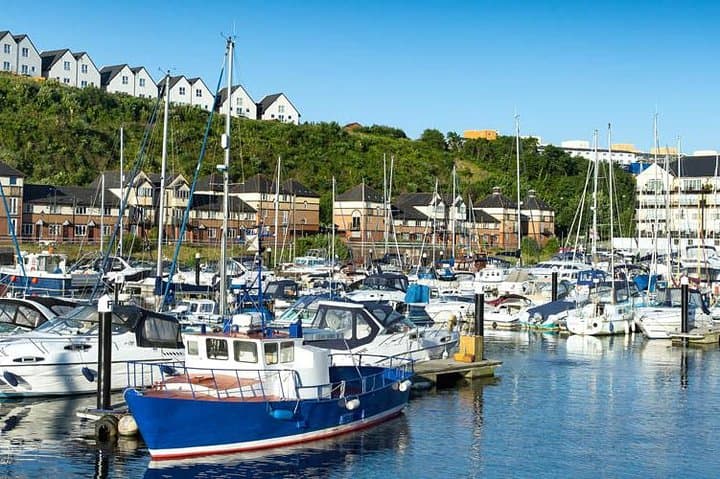
Penarth’s story is visible in brick and iron: a fishing hamlet recast in Victorian stone to serve coal exports in the 19th century, then shaped again by two world wars when the docks and rail links mattered to national logistics. The cliffs here belong to the local Penarth Group — compact marls and mudstones that give the headland its low, grassy profile and the beach its pebble stretches.
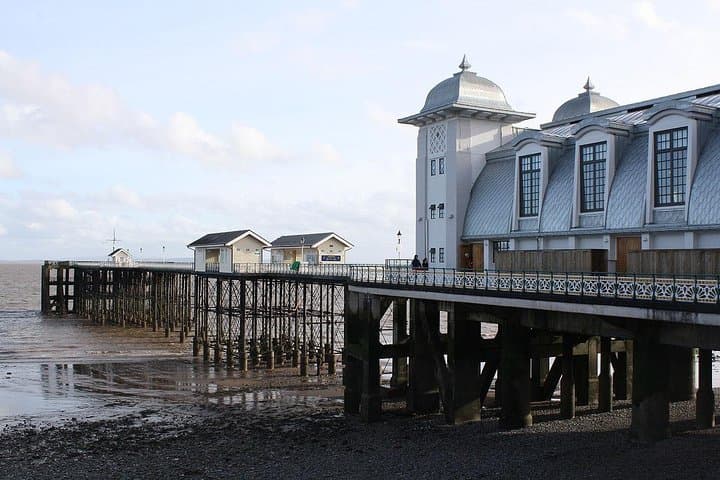
Locals will point out St Augustine’s Church and the old dock offices, and recommend a cream tea or a hearty pub meal afterward; the pier and its bandstand remain social anchors. Guides who have lived here for years layer small stories — ship names, wartime rationing, and where the best crab sandwiches are made — onto the map’s facts.
Practical notes: tours run 1–2 hours, mostly on paved promenades and well-kept paths but include short slopes and some uneven surfaces. Public transport links from Cardiff make this an easy half-day outing. Wear comfortable walking shoes, bring a waterproof layer, and time your walk for late afternoon if you want long light over the channel — tides and wind will shape how the coast feels, sometimes daring you to stay longer.
easy.
1–2 hours.
Moderate — suitable for most walkers who can handle short slopes and standing for 90 minutes.
Meeting points are central on Penarth High Street or the esplanade by the pier — exact locations and a mobile contact are provided at booking.
Most of the promenade is accessible and prams are possible though there are some short slopes and cobbled patches; notify the guide of special requirements in advance.
Service animals are allowed; for other pets check with the guide as schedules and group sizes vary.
Tours may be cancelled for poor weather with a full refund if cancelled more than 24 hours before departure per the booking terms.
Penarth expanded rapidly in the 19th century as coal from the valleys moved through newly built docks; Victorian investment left much of the town’s architecture and the pier intact.
Coastal erosion and sea-level concerns shape local maintenance of the promenade; visitors are encouraged to stick to paths and take litter home to protect shore habitat.
Peter Walford operates guided outdoor trips and adventures with an emphasis on safety, stewardship, and memorable experiences.

You step off the high street and the air changes — briny and sharp from the Bristol Channel, gulls arguing over a discarded chip. The tour threads the esplanade, climbs to the highest point on the South Wales Coastal Path and pauses for a view where the channel stretches flat to the Irish Sea.
You step off the high street and the air changes — briny and sharp from the Bristol Channel, gulls arguing over a discarded chip. The tour threads the esplanade, climbs to the highest point on the South Wales Coastal Path and pauses for a view where the channel stretches flat to the Irish Sea.
Penarth’s story is visible in brick and iron: a fishing hamlet recast in Victorian stone to serve coal exports in the 19th century, then shaped again by two world wars when the docks and rail links mattered to national logistics. The cliffs here belong to the local Penarth Group — compact marls and mudstones that give the headland its low, grassy profile and the beach its pebble stretches.
Locals will point out St Augustine’s Church and the old dock offices, and recommend a cream tea or a hearty pub meal afterward; the pier and its bandstand remain social anchors. Guides who have lived here for years layer small stories — ship names, wartime rationing, and where the best crab sandwiches are made — onto the map’s facts.
Practical notes: tours run 1–2 hours, mostly on paved promenades and well-kept paths but include short slopes and some uneven surfaces. Public transport links from Cardiff make this an easy half-day outing. Wear comfortable walking shoes, bring a waterproof layer, and time your walk for late afternoon if you want long light over the channel — tides and wind will shape how the coast feels, sometimes daring you to stay longer.