THE ADVENTURE COLLECTIVE® · Independent discovery and booking for outdoor travel

Skip the queues to Pena Palace and walk the fanciful walls of one of Portugal’s most photographed Romantic palaces. This guide explains what you’ll see in Pena Park, how to plan your 2–3 hour visit, and practical tips for navigating steep trails and crowded terraces.
Skip the queues to Pena Palace and walk the fanciful walls of one of Portugal’s most photographed Romantic palaces. This guide explains what you’ll see in Pena Park, how to plan your 2–3 hour visit, and practical tips for navigating steep trails and crowded terraces.
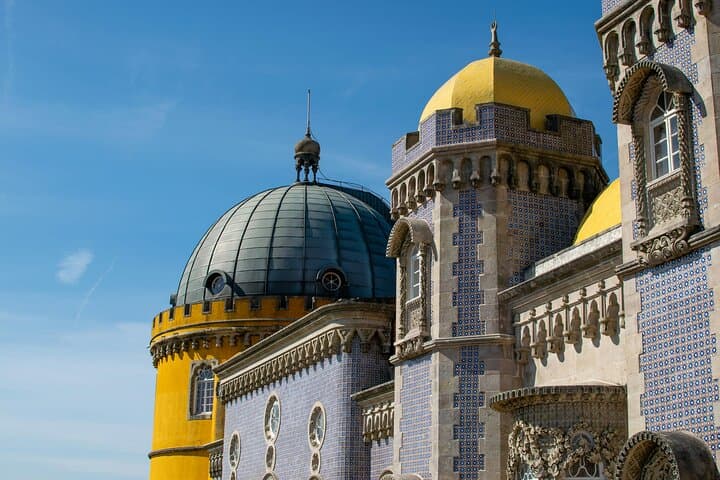
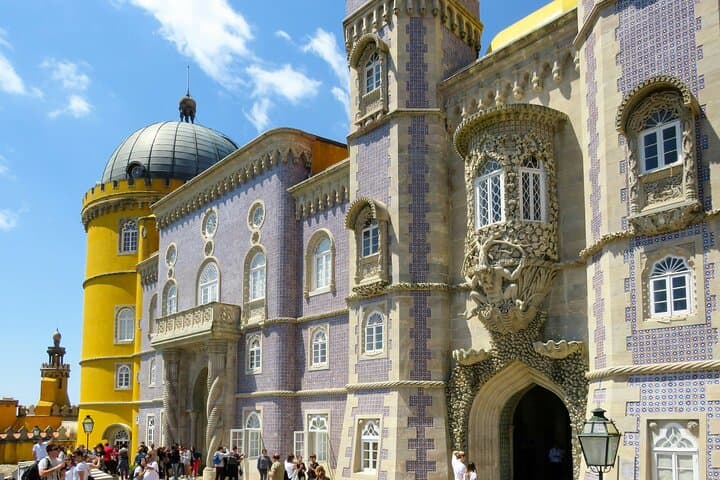
A stone stairway appears through a mist of eucalyptus and cork oaks, the pine-scented path climbing toward a riot of ochre and crimson battlements. From the park below, Pena Palace sits like a theatrical set perched on the second-highest peak of the Sintra Hills, its watchtowers and walkable walls slicing the sky. Visitors move from shaded parkland into 19th-century Romantic architecture where painted façades and Manueline stonework meet artificial fortifications that encourage exploration.
Verified experiences and guided adventures in the surrounding area.
Operated by Tourrr.com · Sintra, Lisbon District
A stone stairway appears through a mist of eucalyptus and cork oaks, the pine-scented path climbing toward a riot of ochre and crimson battlements. From the park below, Pena Palace sits like a theatrical set perched on the second-highest peak of the Sintra Hills, its watchtowers and walkable walls slicing the sky. Visitors move from shaded parkland into 19th-century Romantic architecture where painted façades and Manueline stonework meet artificial fortifications that encourage exploration.
The palace blends a former Hieronymite monastery with King Ferdinand II’s lavish 1800s additions; the grounds reflect a curious mix of English garden design and an imported botanical collection that thrives in Sintra’s humid microclimate. The hill is ancient schist and granite, weathered into rocky outcrops that shape viewpoints and paths. Local culture still orbits the hill — village cafés in Sintra town serve travesseiros (pillow-shaped pastries) and the area is protected as a UNESCO Cultural Landscape.
Practicalities: the standard visit that includes park access and palace entry takes roughly 2–3 hours; expect steep, uneven trails and moments of heavy pedestrian traffic. Buy mobile “skip-the-line” tickets to reduce queue time, arrive early to see light on the terraces, and plan transport — uphill access is limited and often crowded. Stay on marked trails to protect fragile plantings, pack water and a light rain layer, and be prepared to climb: the site rewards effort with panoramic views over the Atlantic and Cascais to the west.
moderate.
2–3 hours.
Moderate fitness recommended: you’ll climb stairs and steep walking paths for extended periods.
Skip-the-line tickets significantly reduce waiting time at ticket windows but you may still queue for security checks, bag inspection, and entry to popular rooms.
The palace and park include steep, uneven terrain and many stairs; official notes indicate areas are not wheelchair accessible and access is limited.
There are limited cafés and kiosks near main entrances and the palace, but options are sparse—pack snacks if you need specific dietary items.
This ticket is sold as final sale with no refunds; check local weather and travel conditions before booking since some cancellations may occur for safety reasons.
Pena Palace was built in the 19th century by King Ferdinand II on the site of a former Hieronymite monastery, combining Romantic-era fantasy with Manueline and Moorish elements.
Sintra is a UNESCO Cultural Landscape; stick to marked paths, avoid picking plants, and follow local rules to limit erosion and trampling in sensitive park habitats.
Tourrr.com operates guided outdoor trips and adventures with an emphasis on safety, stewardship, and memorable experiences.
A stone stairway appears through a mist of eucalyptus and cork oaks, the pine-scented path climbing toward a riot of ochre and crimson battlements. From the park below, Pena Palace sits like a theatrical set perched on the second-highest peak of the Sintra Hills, its watchtowers and walkable walls slicing the sky. Visitors move from shaded parkland into 19th-century Romantic architecture where painted façades and Manueline stonework meet artificial fortifications that encourage exploration.
A stone stairway appears through a mist of eucalyptus and cork oaks, the pine-scented path climbing toward a riot of ochre and crimson battlements. From the park below, Pena Palace sits like a theatrical set perched on the second-highest peak of the Sintra Hills, its watchtowers and walkable walls slicing the sky. Visitors move from shaded parkland into 19th-century Romantic architecture where painted façades and Manueline stonework meet artificial fortifications that encourage exploration.
The palace blends a former Hieronymite monastery with King Ferdinand II’s lavish 1800s additions; the grounds reflect a curious mix of English garden design and an imported botanical collection that thrives in Sintra’s humid microclimate. The hill is ancient schist and granite, weathered into rocky outcrops that shape viewpoints and paths. Local culture still orbits the hill — village cafés in Sintra town serve travesseiros (pillow-shaped pastries) and the area is protected as a UNESCO Cultural Landscape.
Practicalities: the standard visit that includes park access and palace entry takes roughly 2–3 hours; expect steep, uneven trails and moments of heavy pedestrian traffic. Buy mobile “skip-the-line” tickets to reduce queue time, arrive early to see light on the terraces, and plan transport — uphill access is limited and often crowded. Stay on marked trails to protect fragile plantings, pack water and a light rain layer, and be prepared to climb: the site rewards effort with panoramic views over the Atlantic and Cascais to the west.