THE ADVENTURE COLLECTIVE® · Independent discovery and booking for outdoor travel

Perched above Sintra’s forests, Pena Palace is a colorful 19th-century marvel with sweeping Atlantic views. This guide covers what to expect—history, terrain, timing and practical tips for a smooth visit.
Perched above Sintra’s forests, Pena Palace is a colorful 19th-century marvel with sweeping Atlantic views. This guide covers what to expect—history, terrain, timing and practical tips for a smooth visit.
The first sight of Pena Palace surprises: a riot of ochre and crimson rising above a green sea of eucalyptus and cork oaks, terraces and turrets catching Atlantic light as the air carries the scent of resin and salt. Visitors arrive by winding road or a short walk through shaded park trails; from the terraces the town of Sintra sits below, the Atlantic glimmering beyond.
Verified experiences and guided adventures in the surrounding area.
Operated by Dream Fly Tourism LLC · Sintra, Lisbon District
The first sight of Pena Palace surprises: a riot of ochre and crimson rising above a green sea of eucalyptus and cork oaks, terraces and turrets catching Atlantic light as the air carries the scent of resin and salt. Visitors arrive by winding road or a short walk through shaded park trails; from the terraces the town of Sintra sits below, the Atlantic glimmering beyond.
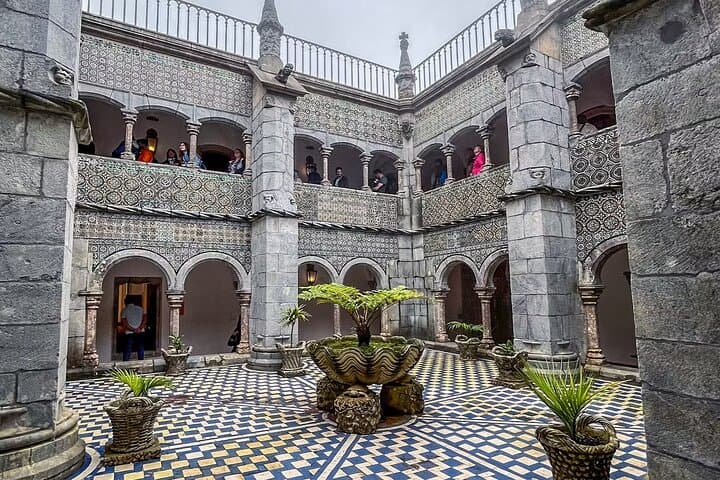
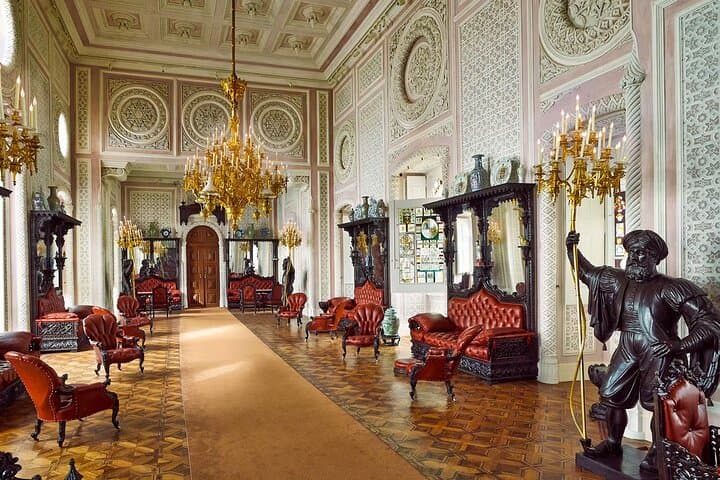
Built in the 19th century on medieval ruins, Pena blends Romantic, Gothic and Moorish elements in a single theatrical gesture. The park that surrounds it is a living catalogue of global botany—introduced species from former colonies that now shelter local fauna—and a designed landscape that frames distant sea views and foggy mornings. The palace’s painted facades and ornate interiors tell a story of Portugal’s liberal monarchs and the era that reshaped Europe’s taste for historic revival.
Practical visitors will plan 1–3 hours for a focused visit: palace rooms, the royal chapel and the hilltop terraces take priority, while the park can occupy a full afternoon if you follow shaded paths and viewpoint loops. Peak arrival times are mid-morning and late afternoon; tickets often sell out in summer. Accessibility is mixed—cobbled ramps and steep staircases are common—and weather can change rapidly on the ridge, so layer up.
Bring water, comfortable walking shoes, and a map of the park trails. Aim for early morning light for clearer views and fewer crowds. Whether chasing architectural details or sweeping panoramas, Pena rewards a measured pace and a readiness for quick shifts in wind and weather.
easy.
1–3 hours.
Suitable for most fitness levels; expect short steep sections and cobbled surfaces
Yes—timed tickets are recommended, especially in summer and weekends, because daily capacity is limited and lines can form quickly.
Partial accessibility: some ramps and pathways are navigable but many historic rooms and terraces involve stairs; contact site services for specifics and assistance options.
Plan 1–3 hours for the palace and nearby terraces; add 2–4 hours if you intend to explore multiple park trails and viewpoints.
Public buses and tourist shuttles run from Sintra town; driving and parking are available but limited—many visitors prefer the bus or a short hike from Sintra center.
Constructed in the 19th century under King Ferdinand II on the ruins of a monastery, Pena is a hallmark of Romantic-era architecture and a statement of Portugal’s eclectic tastes of the period.
Park management balances visitor access with habitat protection—stay on marked trails, avoid picking plants, and follow signage to protect introduced and native species.
Dream Fly Tourism LLC operates guided outdoor trips and adventures with an emphasis on safety, stewardship, and memorable experiences.


The first sight of Pena Palace surprises: a riot of ochre and crimson rising above a green sea of eucalyptus and cork oaks, terraces and turrets catching Atlantic light as the air carries the scent of resin and salt. Visitors arrive by winding road or a short walk through shaded park trails; from the terraces the town of Sintra sits below, the Atlantic glimmering beyond.
The first sight of Pena Palace surprises: a riot of ochre and crimson rising above a green sea of eucalyptus and cork oaks, terraces and turrets catching Atlantic light as the air carries the scent of resin and salt. Visitors arrive by winding road or a short walk through shaded park trails; from the terraces the town of Sintra sits below, the Atlantic glimmering beyond.
Built in the 19th century on medieval ruins, Pena blends Romantic, Gothic and Moorish elements in a single theatrical gesture. The park that surrounds it is a living catalogue of global botany—introduced species from former colonies that now shelter local fauna—and a designed landscape that frames distant sea views and foggy mornings. The palace’s painted facades and ornate interiors tell a story of Portugal’s liberal monarchs and the era that reshaped Europe’s taste for historic revival.
Practical visitors will plan 1–3 hours for a focused visit: palace rooms, the royal chapel and the hilltop terraces take priority, while the park can occupy a full afternoon if you follow shaded paths and viewpoint loops. Peak arrival times are mid-morning and late afternoon; tickets often sell out in summer. Accessibility is mixed—cobbled ramps and steep staircases are common—and weather can change rapidly on the ridge, so layer up.
Bring water, comfortable walking shoes, and a map of the park trails. Aim for early morning light for clearer views and fewer crowds. Whether chasing architectural details or sweeping panoramas, Pena rewards a measured pace and a readiness for quick shifts in wind and weather.