THE ADVENTURE COLLECTIVE® · Independent discovery and booking for outdoor travel

Walk into early-morning light at Kidike Sanctuary to witness thousands of Pemba flying foxes—the island’s endemic fruit bat—returning to fruiting trees. This short, guided forest walk pairs close wildlife observation with practical tips for minimal-impact viewing.
Walk into early-morning light at Kidike Sanctuary to witness thousands of Pemba flying foxes—the island’s endemic fruit bat—returning to fruiting trees. This short, guided forest walk pairs close wildlife observation with practical tips for minimal-impact viewing.
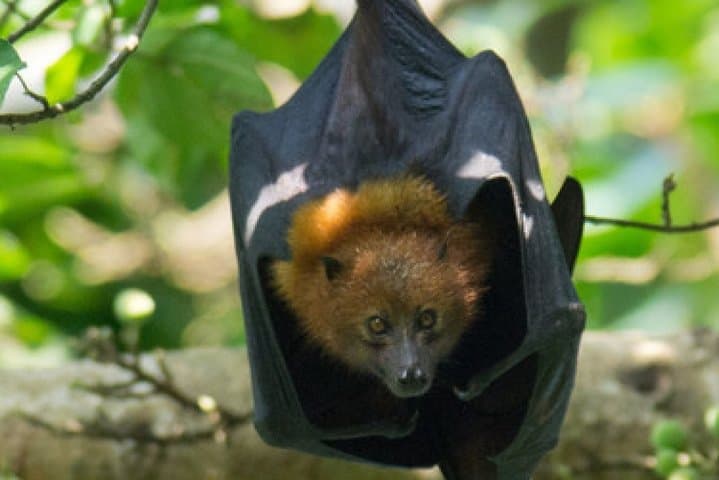
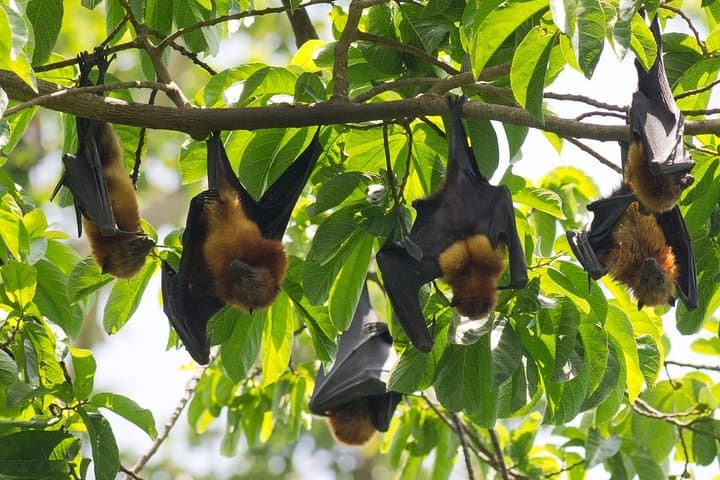
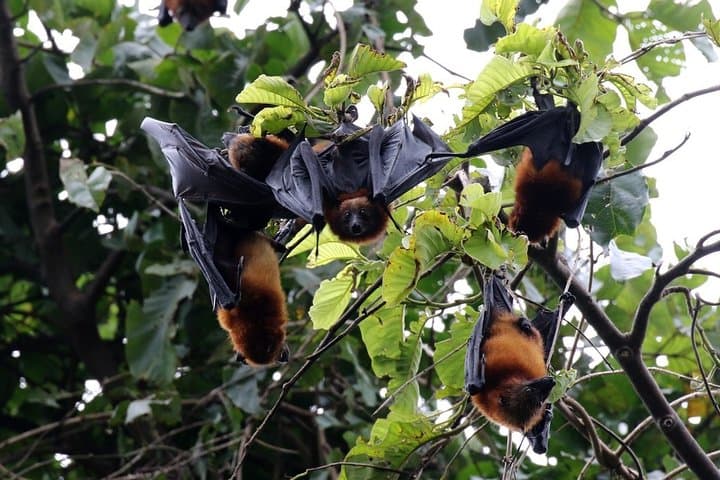
Dawn pours pale light across the low hills northeast of Chake Chake, and the trees at Kidike stir as thousands of wings rustle—an audible tide of fruit bats waking to the island.
Verified experiences and guided adventures in the surrounding area.
Operated by Safanta Tours & Travel Company Limited · Chake Chake, Pemba South Region
Dawn pours pale light across the low hills northeast of Chake Chake, and the trees at Kidike stir as thousands of wings rustle—an audible tide of fruit bats waking to the island.
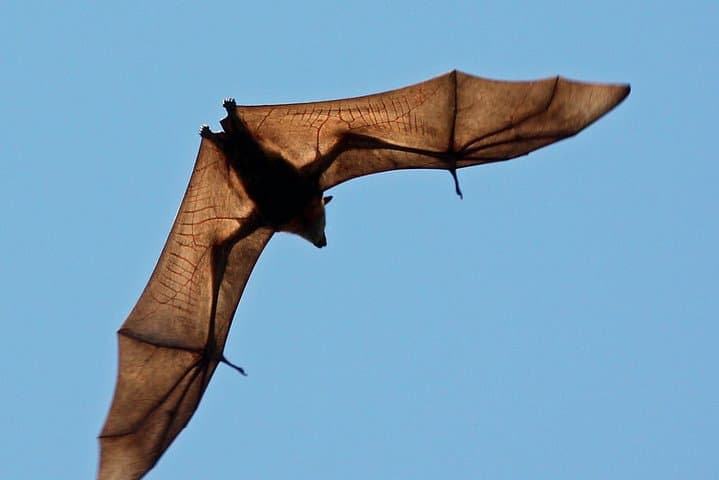
The Pemba flying fox (Pteropus voeltzkowi) is the island’s only endemic mammal and one of the rarest fruit bats in Africa. Kidike Sanctuary, roughly 10 km from Chake Chake, became a protected roost because a local burial ground kept the area largely undisturbed. The roost sits among remnants of primary and secondary forest, with mangrove fringe and agricultural plots nearby; the geology is coral-formed limestone overlaid by thin soils that support tall, fruiting trees.
Culturally the bats are both respected and misunderstood—villagers sometimes mistake species, which complicates conservation. Biologists point out their outsized role in pollination and seed dispersal for both wild and cultivated plants.
Practical visit notes: tours are short (about three hours) and involve moderate walking on uneven forest tracks; guides usually time arrivals around feeding periods when bats are most active. Expect hot, humid conditions, biting insects, and intermittent shade. Bring binoculars and a camera with a good low-light lens if you want clear shots; silence and slow movement yield the best wildlife views. Outside peak tourist months, call ahead—local guides may not be present daily. Respect roost trees, avoid flash photography near clustered animals, and follow your guide’s route to minimize disturbance.
Visiting Kidike is straightforward from Chake Chake by private car; the experience is part natural history, part field conservation—up close with an animal that both shapes and depends on Pemba’s fragile forests.
easy.
3 hours.
Suitable for light-to-moderate fitness; involves short stretches of walking on uneven forest trails.
Early morning or late afternoon when bats leave or return to the roost; guides schedule walks around these feeding windows for the best activity.
Most visitors travel by private car or arranged transfer; the sanctuary is about 10 km northeast of Chake Chake along the Chake–Wete road with a short final access track.
Yes—this is family-friendly, but infants must sit on laps and very young children should be supervised closely on uneven trails.
Yes, but avoid flash near roosts and follow your guide’s directions; low-light capable lenses and steady hands yield better images than flash photography.
Kidike’s roost persisted partly because a local burial ground discouraged clearing; the sanctuary highlights the link between cultural practice and wildlife protection on Pemba.
The Pemba flying fox has fluctuated in numbers; visitors are urged to minimize disturbance, support local guides, and follow leave-no-trace practices to help ongoing recovery efforts.
Safanta Tours & Travel Company Limited operates guided outdoor trips and adventures with an emphasis on safety, stewardship, and memorable experiences.
Dawn pours pale light across the low hills northeast of Chake Chake, and the trees at Kidike stir as thousands of wings rustle—an audible tide of fruit bats waking to the island.
Dawn pours pale light across the low hills northeast of Chake Chake, and the trees at Kidike stir as thousands of wings rustle—an audible tide of fruit bats waking to the island.
The Pemba flying fox (Pteropus voeltzkowi) is the island’s only endemic mammal and one of the rarest fruit bats in Africa. Kidike Sanctuary, roughly 10 km from Chake Chake, became a protected roost because a local burial ground kept the area largely undisturbed. The roost sits among remnants of primary and secondary forest, with mangrove fringe and agricultural plots nearby; the geology is coral-formed limestone overlaid by thin soils that support tall, fruiting trees.
Culturally the bats are both respected and misunderstood—villagers sometimes mistake species, which complicates conservation. Biologists point out their outsized role in pollination and seed dispersal for both wild and cultivated plants.
Practical visit notes: tours are short (about three hours) and involve moderate walking on uneven forest tracks; guides usually time arrivals around feeding periods when bats are most active. Expect hot, humid conditions, biting insects, and intermittent shade. Bring binoculars and a camera with a good low-light lens if you want clear shots; silence and slow movement yield the best wildlife views. Outside peak tourist months, call ahead—local guides may not be present daily. Respect roost trees, avoid flash photography near clustered animals, and follow your guide’s route to minimize disturbance.
Visiting Kidike is straightforward from Chake Chake by private car; the experience is part natural history, part field conservation—up close with an animal that both shapes and depends on Pemba’s fragile forests.