THE ADVENTURE COLLECTIVE® · Independent discovery and booking for outdoor travel

Walk through sunlit Kalamata groves, tour a traditional olive mill, and taste fresh-pressed oils with local snacks. This 90-minute private experience pairs simple geology and centuries of cultivation with hands-on tasting and a visit to a nearby spring.
Walk through sunlit Kalamata groves, tour a traditional olive mill, and taste fresh-pressed oils with local snacks. This 90-minute private experience pairs simple geology and centuries of cultivation with hands-on tasting and a visit to a nearby spring.
You step off the road into pale trunks and silver-green leaves; the air carries the faint, peppery scent of pressed fruit and the quiet scrape of a mill at work. Sun moves through the canopy, and the groves seem to watch as the guide leads you between rows of trees that have produced oil for generations.
Verified experiences and guided adventures in the surrounding area.
Operated by Olive Tour & Tasting · Kalamata, Peloponnese
You step off the road into pale trunks and silver-green leaves; the air carries the faint, peppery scent of pressed fruit and the quiet scrape of a mill at work. Sun moves through the canopy, and the groves seem to watch as the guide leads you between rows of trees that have produced oil for generations.
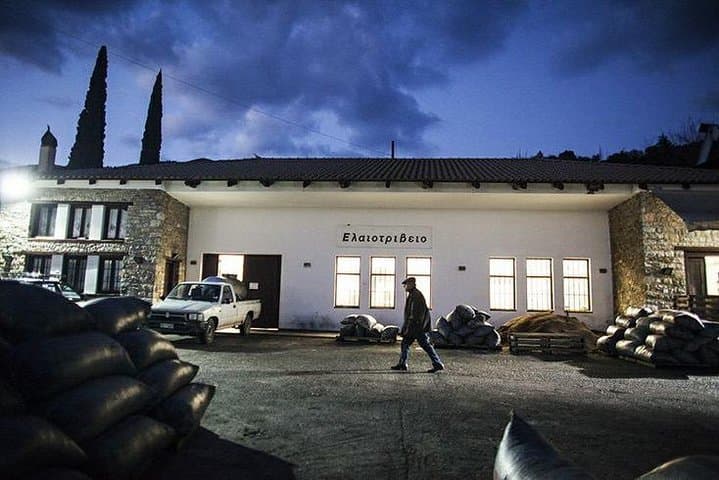
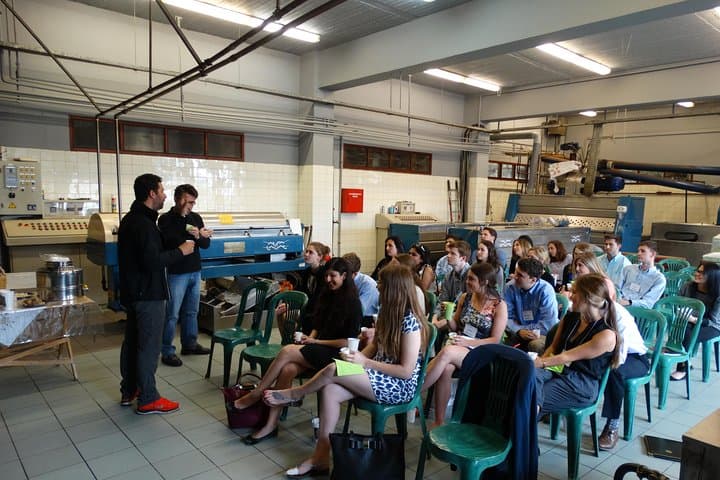
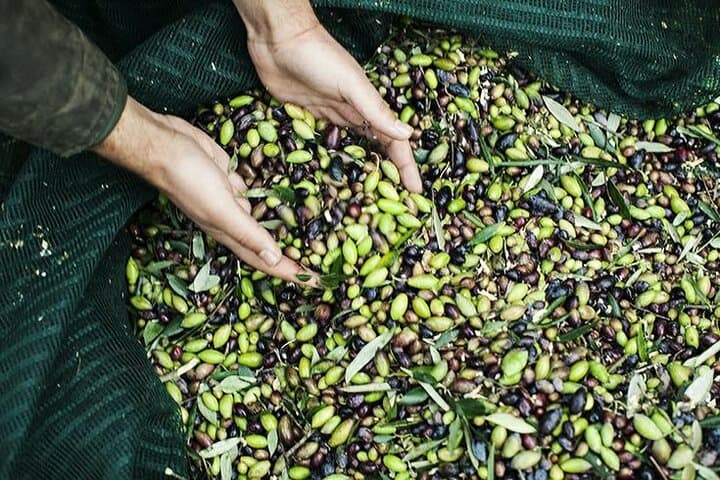
The Peloponnese has grown olives since antiquity—this coast fed classical cities and supplied oil for lamps, diet and trade. Geology here is limestone hills and fertile valley soils that give Kalamata olives their distinctive flavor: fruity, slightly bitter, with an herbal finish. The tour combines a short walk through working groves, an inside look at a traditional olive mill, and a guided tasting accompanied by bread, figs and oregano. A nearby spring and small waterfall are often part of the route, offering a cool counterpoint to the sun-warmed fields.
Practicals are straightforward: the visit runs about 90 minutes, is wheelchair accessible, and suits most fitness levels; expect short, even paths and some standing during demonstrations. Tasting etiquette is relaxed—try oils neat, then on bread, and ask about harvest and pressing methods to learn what influences flavor. Bring sun protection in summer, a light layer in shoulder seasons, and cash for small, artisanal purchases. Photography is welcomed, but respect private-property signs and the rhythm of the mill. This is a short, sensory dive into Greek agricultural culture—hands-on, informative, and rooted in a landscape that keeps producing year after year.
easy.
1–1.5 hours.
Suitable for most fitness levels; requires short, flat walking and standing during demonstrations.
The experience runs about 90 minutes and includes a grove walk, mill visit, tasting and a short stop at a local spring or waterfall.
Yes—this tour and the mill facilities are described as wheelchair accessible; contact the operator for specific accessibility needs.
Yes, locally produced oils and small handicrafts are typically available for purchase at the mill.
Olive oil and many traditional snacks are vegan-friendly, but confirm specific snack ingredients or request alternatives if needed.
Olive cultivation in the Peloponnese dates back millennia; olive oil was a core staple of ancient Greek economy, diet and ritual.
Many family-run groves practice low-impact farming and welcome visitors to support local producers; avoid disturbing trees and take waste with you to minimize impact.
Olive Tour & Tasting operates guided outdoor trips and adventures with an emphasis on safety, stewardship, and memorable experiences.
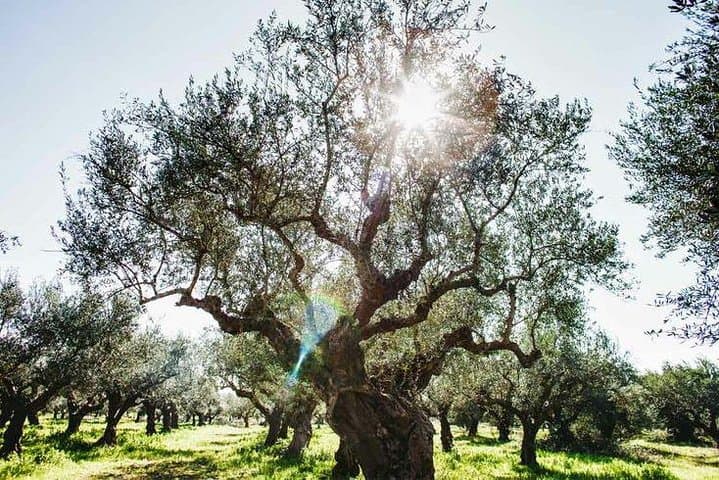
You step off the road into pale trunks and silver-green leaves; the air carries the faint, peppery scent of pressed fruit and the quiet scrape of a mill at work. Sun moves through the canopy, and the groves seem to watch as the guide leads you between rows of trees that have produced oil for generations.
You step off the road into pale trunks and silver-green leaves; the air carries the faint, peppery scent of pressed fruit and the quiet scrape of a mill at work. Sun moves through the canopy, and the groves seem to watch as the guide leads you between rows of trees that have produced oil for generations.
The Peloponnese has grown olives since antiquity—this coast fed classical cities and supplied oil for lamps, diet and trade. Geology here is limestone hills and fertile valley soils that give Kalamata olives their distinctive flavor: fruity, slightly bitter, with an herbal finish. The tour combines a short walk through working groves, an inside look at a traditional olive mill, and a guided tasting accompanied by bread, figs and oregano. A nearby spring and small waterfall are often part of the route, offering a cool counterpoint to the sun-warmed fields.
Practicals are straightforward: the visit runs about 90 minutes, is wheelchair accessible, and suits most fitness levels; expect short, even paths and some standing during demonstrations. Tasting etiquette is relaxed—try oils neat, then on bread, and ask about harvest and pressing methods to learn what influences flavor. Bring sun protection in summer, a light layer in shoulder seasons, and cash for small, artisanal purchases. Photography is welcomed, but respect private-property signs and the rhythm of the mill. This is a short, sensory dive into Greek agricultural culture—hands-on, informative, and rooted in a landscape that keeps producing year after year.