THE ADVENTURE COLLECTIVE® · Independent discovery and booking for outdoor travel

A concentrated four-day private drive through the Peloponnese that links Mycenaean sites, Byzantine citadels and coastal towns. Expect short uphill walks, scenic drives of 1–3 hours and plenty of seaside lunch stops.
A concentrated four-day private drive through the Peloponnese that links Mycenaean sites, Byzantine citadels and coastal towns. Expect short uphill walks, scenic drives of 1–3 hours and plenty of seaside lunch stops.
You step into the Peloponnese at dawn: coastal light on the Corinth Canal, a narrow pedestrian bridge throwing long shadows, and a private vehicle humming south toward limestone folds and olive-scrub hills. Over four days the coast yields to fortified rock: the steep alleys of Mystras, the single-throat gate of Monemvasia, and the broad plain that once gave Sparta its reputation.
Verified experiences and guided adventures in the surrounding area.
Operated by Olive Sea Travel · Nafplio, Peloponnese
You step into the Peloponnese at dawn: coastal light on the Corinth Canal, a narrow pedestrian bridge throwing long shadows, and a private vehicle humming south toward limestone folds and olive-scrub hills. Over four days the coast yields to fortified rock: the steep alleys of Mystras, the single-throat gate of Monemvasia, and the broad plain that once gave Sparta its reputation.
This route threads Greek history from Bronze Age Mycenae (cyclopean walls and the Lions Gate) through Byzantine citadels and medieval mansions to Classical Sparta and the healing sanctuary at Epidaurus. Geology is readable in the landscape — karst limestone cliffs dropping to the Aegean, sheltered bays where maritime trade once clustered, and hilltop fortresses that command long sightlines. Cultural notes surface in tavern courtyards, Byzantine chapels, and olive oil museums that explain an economy older than the modern state.
Expect short walks on uneven cobbles (city walls, theater steps) and brief uphill stretches to citadels; most travel happens by private vehicle with daily drives often between 1–3 hours. Wear stable walking shoes, carry sun protection and a refillable water bottle, and budget modest entrance fees for archaeological sites. Drivers provide local context but are not licensed guides inside museums — consider hiring a licensed guide at key sites if you want deeper archaeological detail.
Timing your days for morning or late-afternoon visits reduces heat and crowds. This is a physically easy, culturally rich itinerary that rewards curiosity: listen for local stories, try regional olive oil, and let the land’s layers reframe familiar history.
easy.
4 days.
Suitable for travelers who can walk 1–2 miles on uneven ground and tolerate short uphill sections; most time spent in vehicle.
Entrance fees are generally not included; the tour notes some admissions as 'NO' or 'NOT_APPLICABLE' so plan to pay on site or ask the operator beforehand.
Yes—hotel, Airbnb or port pickup and drop-off are listed as provided in the inclusions.
Drivers have deep historical knowledge but are not licensed to accompany you inside museums; you can hire a licensed guide for detailed tours at key sites.
The operator lists wheelchair-accessible transportation and accessibility for strollers, but many archaeological sites have uneven terrain and steps—access may be limited on site.
The route links Mycenaean citadels, Byzantine fortresses like Mystras and Monemvasia, and classical Sparta, showing continuous occupation and shifting political centers across millennia.
Archaeological sites are vulnerable to erosion and visitor wear—follow marked paths, avoid touching fragile structures, and support local conservation fees when offered.
Olive Sea Travel operates guided outdoor trips and adventures with an emphasis on safety, stewardship, and memorable experiences.
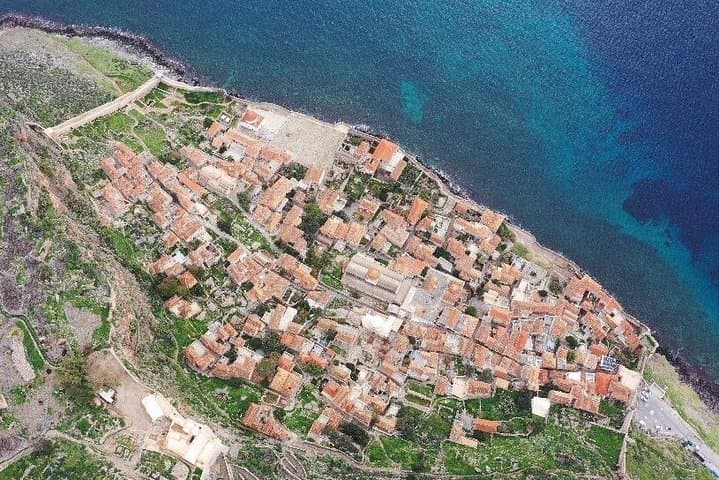
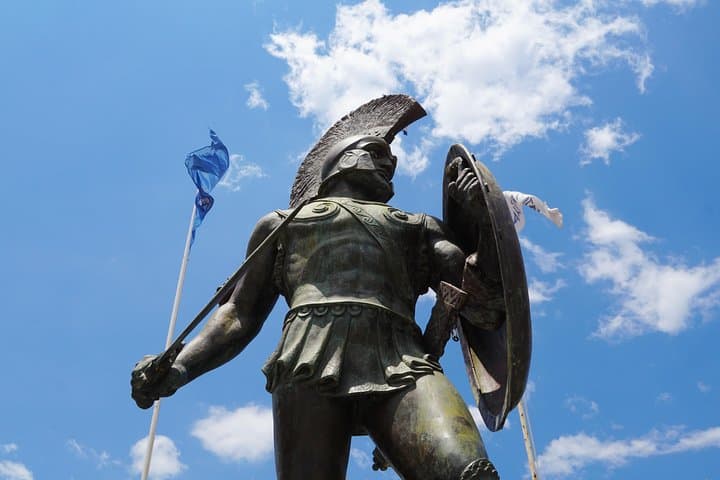
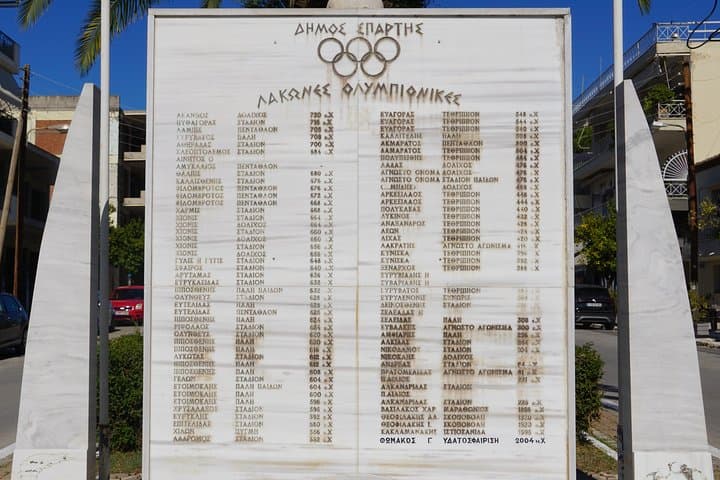

You step into the Peloponnese at dawn: coastal light on the Corinth Canal, a narrow pedestrian bridge throwing long shadows, and a private vehicle humming south toward limestone folds and olive-scrub hills. Over four days the coast yields to fortified rock: the steep alleys of Mystras, the single-throat gate of Monemvasia, and the broad plain that once gave Sparta its reputation.
You step into the Peloponnese at dawn: coastal light on the Corinth Canal, a narrow pedestrian bridge throwing long shadows, and a private vehicle humming south toward limestone folds and olive-scrub hills. Over four days the coast yields to fortified rock: the steep alleys of Mystras, the single-throat gate of Monemvasia, and the broad plain that once gave Sparta its reputation.
This route threads Greek history from Bronze Age Mycenae (cyclopean walls and the Lions Gate) through Byzantine citadels and medieval mansions to Classical Sparta and the healing sanctuary at Epidaurus. Geology is readable in the landscape — karst limestone cliffs dropping to the Aegean, sheltered bays where maritime trade once clustered, and hilltop fortresses that command long sightlines. Cultural notes surface in tavern courtyards, Byzantine chapels, and olive oil museums that explain an economy older than the modern state.
Expect short walks on uneven cobbles (city walls, theater steps) and brief uphill stretches to citadels; most travel happens by private vehicle with daily drives often between 1–3 hours. Wear stable walking shoes, carry sun protection and a refillable water bottle, and budget modest entrance fees for archaeological sites. Drivers provide local context but are not licensed guides inside museums — consider hiring a licensed guide at key sites if you want deeper archaeological detail.
Timing your days for morning or late-afternoon visits reduces heat and crowds. This is a physically easy, culturally rich itinerary that rewards curiosity: listen for local stories, try regional olive oil, and let the land’s layers reframe familiar history.