THE ADVENTURE COLLECTIVE® · Independent discovery and booking for outdoor travel

Experience Pemayangtse’s monastic calm, the ridge-top ruins of Rabdentse, and sweeping Khangchendzonga vistas on a guided 4‑hour car tour from Pelling. Ideal for travelers seeking compact cultural immersion and mountain scenery with minimal walking.
Experience Pemayangtse’s monastic calm, the ridge-top ruins of Rabdentse, and sweeping Khangchendzonga vistas on a guided 4‑hour car tour from Pelling. Ideal for travelers seeking compact cultural immersion and mountain scenery with minimal walking.
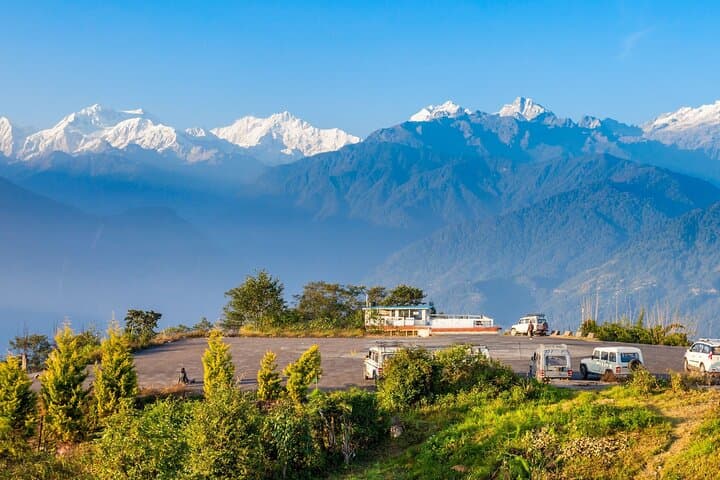
The road climbs and the valley exhales: mist lifts off terraced slopes as an air-conditioned car eases onto a mountain ridge, revealing a white-edged profile of Khangchendzonga where snowfields catch the sun. In four hours you move between monastery courtyards, ruined palaces, and market lanes—each stop a different pitch in the region’s story.
Verified experiences and guided adventures in the surrounding area.
Operated by Yo Tours Goa · Pelling, Sikkim
The road climbs and the valley exhales: mist lifts off terraced slopes as an air-conditioned car eases onto a mountain ridge, revealing a white-edged profile of Khangchendzonga where snowfields catch the sun. In four hours you move between monastery courtyards, ruined palaces, and market lanes—each stop a different pitch in the region’s story.
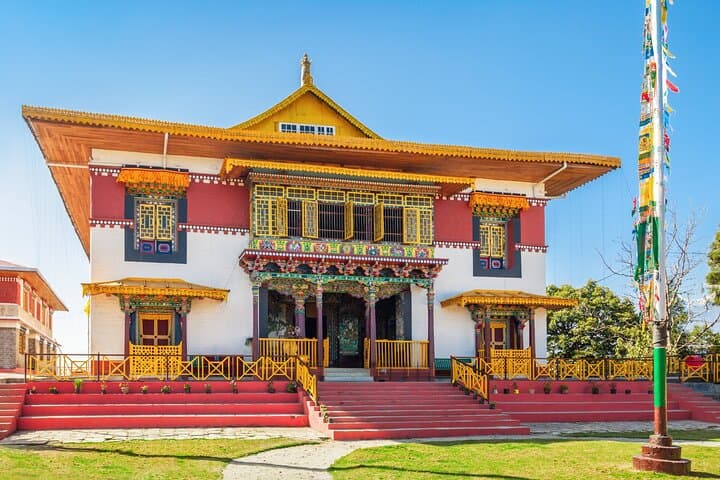
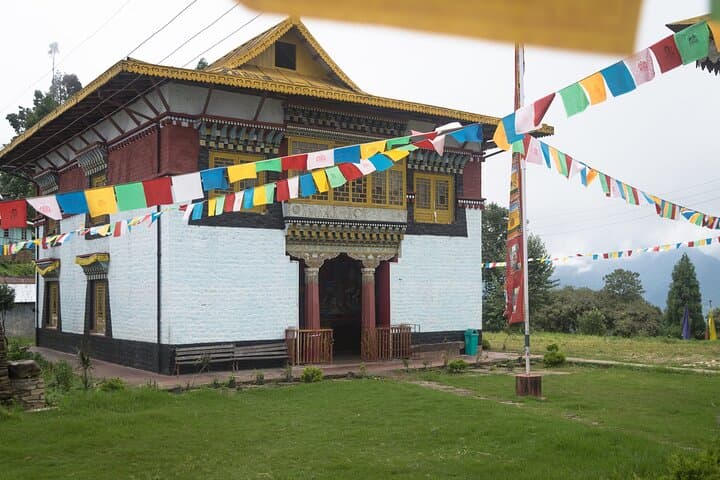
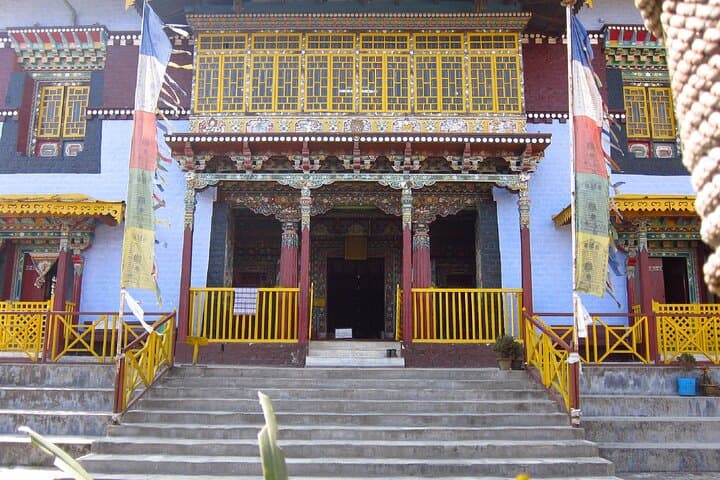
Pemayangtse Monastery sits at roughly 2,150 m, its painted eaves and prayer flags opening into skyward views. Nearby, the Rabdentse ruins perch on a narrow ridge where the old Sikkim kingdom once watched its borders; stones and steps lead through a quiet, weathered plan of a capital. The geology here is young Himalayan fold—steep slopes, terraced agriculture, and rivers that have carved dramatic valleys over millennia—so expect winding paved roads and quick shifts in weather.
Bhutia and Lepcha culture shapes daily life: prayer wheels turn, local markets trade chai, thukpa and momos, and guides share regional lore about mountain deities and historic kings. Photographers chase morning light for clearer Khangchendzonga silhouettes; afternoons often bring clouds.
Practically: the tour covers short drives (sites are typically 10–30 minutes apart) and light walking with uneven steps at viewpoints; elevation and narrow roads mean warm layers, sturdy shoes, and steady drivers matter. Carry ID or allow your operator to arrange permits for foreign nationals. Bring cash for village stalls, a camera, and a compact daypack—this half-day balances comfort and access, delivering concentrated Himalayan culture and high-country views without an all-day commitment.
easy.
4 hours.
Suitable for most travelers; involves short walks and climbing a number of steps at viewpoints and historic sites.
Yes—foreign nationals generally require a Protected Area Permit for parts of Sikkim; most reputable operators will help arrange permits in advance.
Walking is limited to short stretches at each stop—steps, courtyards and viewpoints—so it’s manageable for travelers with moderate mobility, but not fully wheelchair accessible.
This 4-hour private sightseeing tour typically includes bottled water and snacks as listed; full meals are not included, but you can stop at local eateries if time allows.
Early morning offers the clearest skies for views of Khangchendzonga; afternoons often bring cloud build-up, especially in monsoon months.
Rabdentse was the second capital of the former Kingdom of Sikkim in the 17th–18th centuries; Pemayangtse Monastery dates to the early 18th century and remains an important Nyingma center.
Alpine forests here are fragile—stick to roads and viewpoints, avoid single-use plastics, and follow local guidance to minimize impact.
Yo Tours Goa operates guided outdoor trips and adventures with an emphasis on safety, stewardship, and memorable experiences.
The road climbs and the valley exhales: mist lifts off terraced slopes as an air-conditioned car eases onto a mountain ridge, revealing a white-edged profile of Khangchendzonga where snowfields catch the sun. In four hours you move between monastery courtyards, ruined palaces, and market lanes—each stop a different pitch in the region’s story.
The road climbs and the valley exhales: mist lifts off terraced slopes as an air-conditioned car eases onto a mountain ridge, revealing a white-edged profile of Khangchendzonga where snowfields catch the sun. In four hours you move between monastery courtyards, ruined palaces, and market lanes—each stop a different pitch in the region’s story.
Pemayangtse Monastery sits at roughly 2,150 m, its painted eaves and prayer flags opening into skyward views. Nearby, the Rabdentse ruins perch on a narrow ridge where the old Sikkim kingdom once watched its borders; stones and steps lead through a quiet, weathered plan of a capital. The geology here is young Himalayan fold—steep slopes, terraced agriculture, and rivers that have carved dramatic valleys over millennia—so expect winding paved roads and quick shifts in weather.
Bhutia and Lepcha culture shapes daily life: prayer wheels turn, local markets trade chai, thukpa and momos, and guides share regional lore about mountain deities and historic kings. Photographers chase morning light for clearer Khangchendzonga silhouettes; afternoons often bring clouds.
Practically: the tour covers short drives (sites are typically 10–30 minutes apart) and light walking with uneven steps at viewpoints; elevation and narrow roads mean warm layers, sturdy shoes, and steady drivers matter. Carry ID or allow your operator to arrange permits for foreign nationals. Bring cash for village stalls, a camera, and a compact daypack—this half-day balances comfort and access, delivering concentrated Himalayan culture and high-country views without an all-day commitment.