THE ADVENTURE COLLECTIVE® · Independent discovery and booking for outdoor travel

Spend a full day exploring Pelješac’s vineyards, tasting six-plus local wines, sampling oysters straight from the boat, and enjoying a three-course konoba lunch. Small groups and local hosts make this a hands-on portrait of Dalmatian food culture.
Spend a full day exploring Pelješac’s vineyards, tasting six-plus local wines, sampling oysters straight from the boat, and enjoying a three-course konoba lunch. Small groups and local hosts make this a hands-on portrait of Dalmatian food culture.
A salt-scented wind pushes through open car windows as the road climbs away from Dubrovnik, and the Pelješac peninsula unfurls: terraced vineyards, limestone ridges, and a coastline that keeps one eye on the Adriatic.
Verified experiences and guided adventures in the surrounding area.
Operated by FABULA RAGUSEA · Ston, Dubrovnik-Neretva County
A salt-scented wind pushes through open car windows as the road climbs away from Dubrovnik, and the Pelješac peninsula unfurls: terraced vineyards, limestone ridges, and a coastline that keeps one eye on the Adriatic.
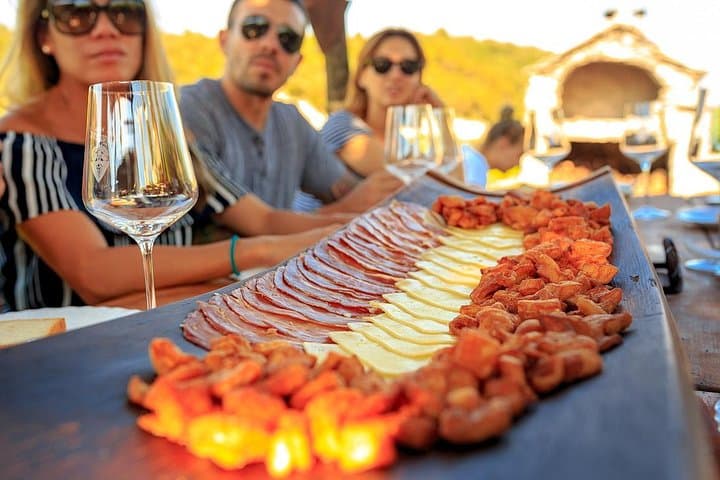
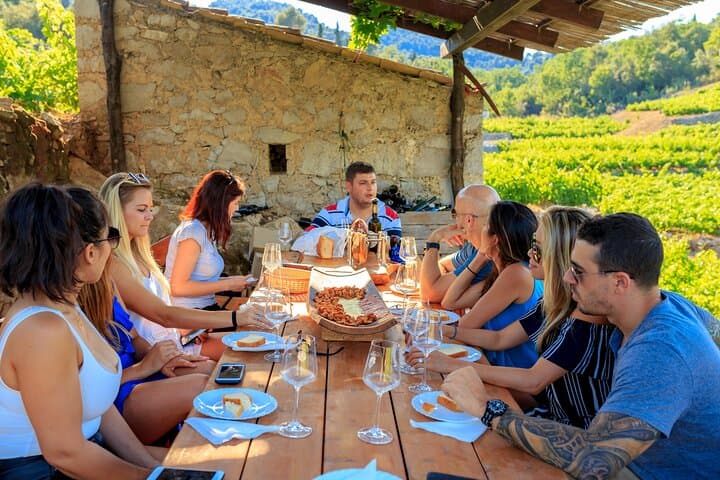
The day moves at a deliberate pace—short drives between family-run wineries, a working oyster farm where shells are lifted straight from the sea, and a rustic konoba where lunch arrives as if it belonged to the house. Pelješac’s microclimate and karst geology produce high-acidity, muscular reds; the walls of Ston and its salt pans recall the region’s medieval wealth and long relationship with the sea.
The tour balances flavors and context. Guides explain traditional winemaking—some producers follow organic or biodynamic practices—while oyster farmers demonstrate low-impact cultivation on floating beds. Cultural notes surface naturally: the walls that once guarded salt routes, the slow, seasonal rhythms of village life, and the simple architecture of konobas built for warmth and conviviality.
Practicalities matter: expect eight hours with multiple short stops, light walking on uneven village lanes and coastal boat decks, and an intimate group capped at eight people. Bring footwear that grips damp surfaces, sun protection, and an appetite for saline oysters and robust red wines. Ask about dietary needs in advance; vegan options are limited. The experience is part tasting, part landscape tour—an accessible, richly textured day for anyone wanting to pair good food with coastal Croatian scenery.
easy.
8 hours.
Suitable for travelers in average physical condition; requires short walks and standing during tastings
Yes—hotel pickup and drop-off are included; confirm your exact pickup location when booking.
Expect six or more tastings across two wineries; all tastings listed in the itinerary are included.
Oyster tasting is included but not recommended for guests with shellfish allergies; children must be supervised and may have limited menu options.
Vegan menus are not available—vegetarian options exist, so advise dietary requirements at booking.
Ston’s medieval walls and salt pans played a key role in the Republic of Ragusa’s economy; salt was a strategic commodity for centuries.
Small producers emphasize low-impact methods—supporting them helps maintain traditional landscapes and the fragile coastal ecosystems around oyster beds.
FABULA RAGUSEA operates guided outdoor trips and adventures with an emphasis on safety, stewardship, and memorable experiences.
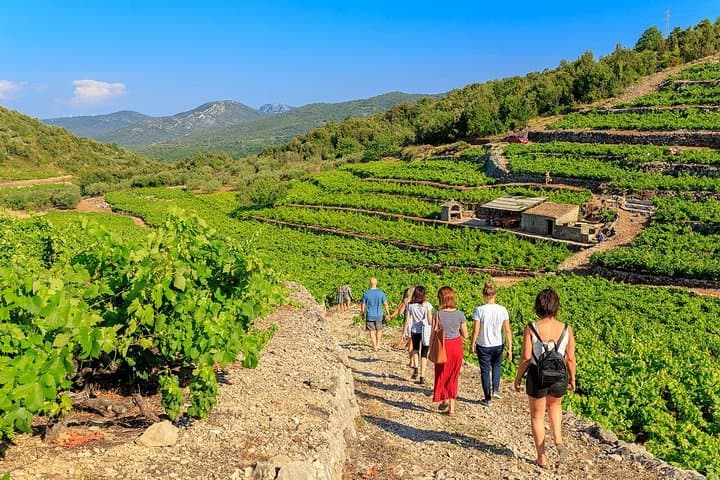
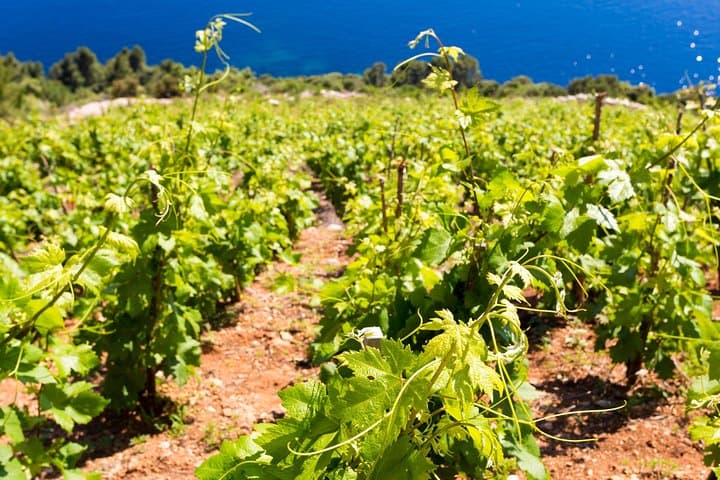
A salt-scented wind pushes through open car windows as the road climbs away from Dubrovnik, and the Pelješac peninsula unfurls: terraced vineyards, limestone ridges, and a coastline that keeps one eye on the Adriatic.
A salt-scented wind pushes through open car windows as the road climbs away from Dubrovnik, and the Pelješac peninsula unfurls: terraced vineyards, limestone ridges, and a coastline that keeps one eye on the Adriatic.
The day moves at a deliberate pace—short drives between family-run wineries, a working oyster farm where shells are lifted straight from the sea, and a rustic konoba where lunch arrives as if it belonged to the house. Pelješac’s microclimate and karst geology produce high-acidity, muscular reds; the walls of Ston and its salt pans recall the region’s medieval wealth and long relationship with the sea.
The tour balances flavors and context. Guides explain traditional winemaking—some producers follow organic or biodynamic practices—while oyster farmers demonstrate low-impact cultivation on floating beds. Cultural notes surface naturally: the walls that once guarded salt routes, the slow, seasonal rhythms of village life, and the simple architecture of konobas built for warmth and conviviality.
Practicalities matter: expect eight hours with multiple short stops, light walking on uneven village lanes and coastal boat decks, and an intimate group capped at eight people. Bring footwear that grips damp surfaces, sun protection, and an appetite for saline oysters and robust red wines. Ask about dietary needs in advance; vegan options are limited. The experience is part tasting, part landscape tour—an accessible, richly textured day for anyone wanting to pair good food with coastal Croatian scenery.