THE ADVENTURE COLLECTIVE® · Independent discovery and booking for outdoor travel

Drive the sunbaked lanes of the Pelješac Peninsula for Dingač tastings and fresh Ston oysters. This small-group, full-day tour pairs vineyard cellar visits with coastal panoramas and local gastronomy.
Drive the sunbaked lanes of the Pelješac Peninsula for Dingač tastings and fresh Ston oysters. This small-group, full-day tour pairs vineyard cellar visits with coastal panoramas and local gastronomy.
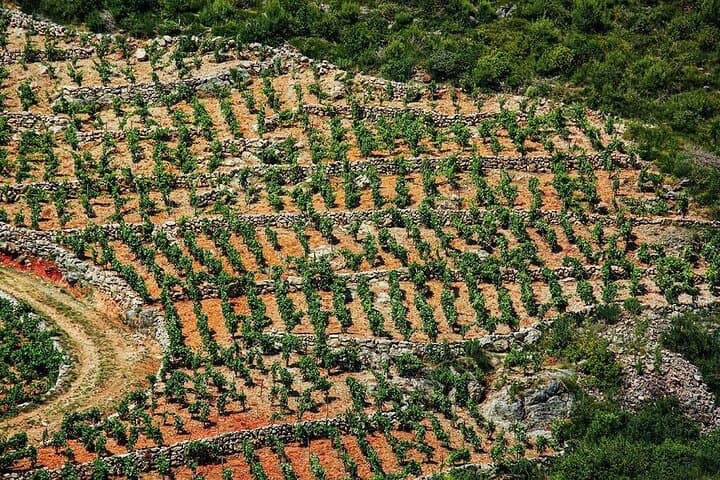
A sea-slick road slides past olive groves and terraced vineyards as the minivan climbs toward the spine of the Pelješac Peninsula. Salt-sparked air and limestone cliffs frame the Adriatic; vines cling to steep terraces and the small town of Ston sits low and fortified, its long medieval walls cutting a calm line against the water.
Verified experiences and guided adventures in the surrounding area.
Operated by Amico Tours · Ston, Dubrovnik-Neretva County
A sea-slick road slides past olive groves and terraced vineyards as the minivan climbs toward the spine of the Pelješac Peninsula. Salt-sparked air and limestone cliffs frame the Adriatic; vines cling to steep terraces and the small town of Ston sits low and fortified, its long medieval walls cutting a calm line against the water.
This coast has been shaped by stone and sea: millennia of karst geology created thin soils ideal for concentrated grapes, while the Republic of Ragusa (Dubrovnik) fortified Ston in the 14th century to protect salt pans that still glint like small mirrors. Local culture revolves around maritime harvests — oysters from nearby bays and robust red wines such as Plavac Mali, Dingač and Postup that developed to thrive in wind-exposed, sun-soaked slopes.
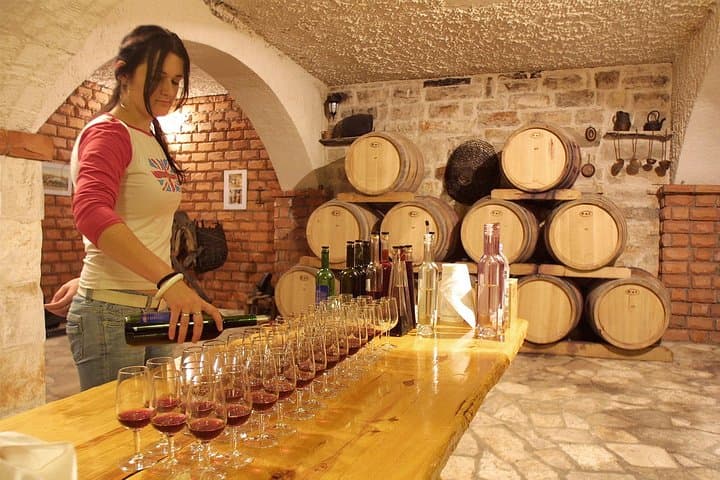
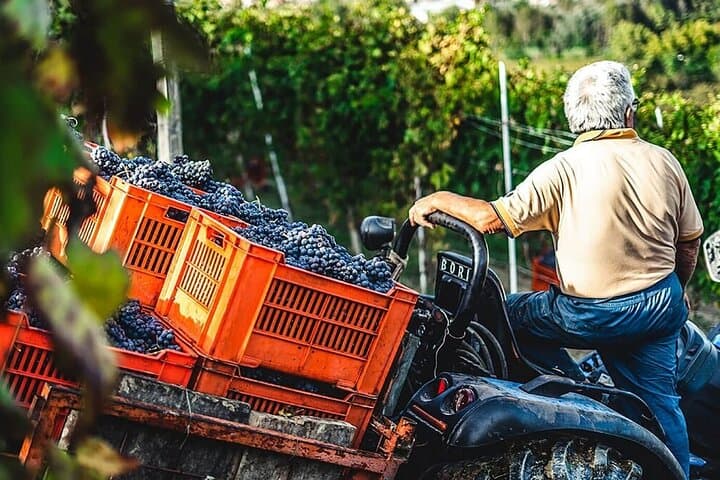
On a small-group tour you'll visit two family-run wineries for cellar talks, tastings and food pairings, and get free time in Ston to taste the famously clean, briny oysters. Expect short vineyard walks, panoramic photo stops at the Pelješac Bridge and the opportunity to learn traditional winemaking techniques passed down through generations.
Practical edge: wear sturdy shoes for gravel terraces, bring sunscreen and a light windproof layer for exposed viewpoints, and carry water — fortified tasting notes can make you thirstier than you expect. Tours typically last about eight hours with hotel pickup from Dubrovnik; book early in summer and ask about oyster add-ons if you want fresh shellfish at the source.
easy.
8 hours.
Light fitness; ability to walk short distances over uneven vineyard paths and climb short staircases in cellars
The tour runs about eight hours with hotel pickup and drop-off from Dubrovnik; exact pickup locations are confirmed at booking.
Tastings at two wineries are included; oyster tastings and artisan platters are optional add-ons you can choose when booking.
The tour is family-friendly with stroller access noted, but some vineyard areas have uneven ground; contact the operator about specific mobility needs.
Yes, most wineries offer bottles for sale; if you plan to bring bottles home, check customs and transport rules.
Ston’s walls and salt pans were expanded under the Republic of Ragusa in the 14th century to control valuable salt production; viticulture here has ancient Mediterranean roots.
Viticulture on Pelješac increasingly emphasizes sustainable practices to protect thin karst soils and freshwater; visitors should respect private vineyards and avoid trampling terraces.
Amico Tours operates guided outdoor trips and adventures with an emphasis on safety, stewardship, and memorable experiences.
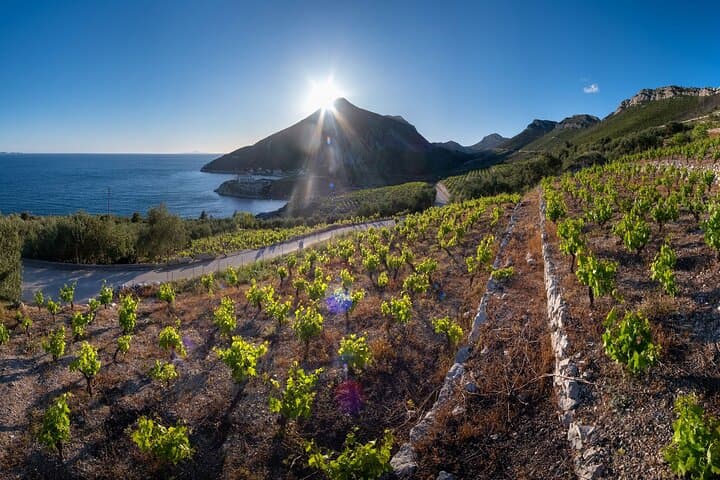
A sea-slick road slides past olive groves and terraced vineyards as the minivan climbs toward the spine of the Pelješac Peninsula. Salt-sparked air and limestone cliffs frame the Adriatic; vines cling to steep terraces and the small town of Ston sits low and fortified, its long medieval walls cutting a calm line against the water.
A sea-slick road slides past olive groves and terraced vineyards as the minivan climbs toward the spine of the Pelješac Peninsula. Salt-sparked air and limestone cliffs frame the Adriatic; vines cling to steep terraces and the small town of Ston sits low and fortified, its long medieval walls cutting a calm line against the water.
This coast has been shaped by stone and sea: millennia of karst geology created thin soils ideal for concentrated grapes, while the Republic of Ragusa (Dubrovnik) fortified Ston in the 14th century to protect salt pans that still glint like small mirrors. Local culture revolves around maritime harvests — oysters from nearby bays and robust red wines such as Plavac Mali, Dingač and Postup that developed to thrive in wind-exposed, sun-soaked slopes.
On a small-group tour you'll visit two family-run wineries for cellar talks, tastings and food pairings, and get free time in Ston to taste the famously clean, briny oysters. Expect short vineyard walks, panoramic photo stops at the Pelješac Bridge and the opportunity to learn traditional winemaking techniques passed down through generations.
Practical edge: wear sturdy shoes for gravel terraces, bring sunscreen and a light windproof layer for exposed viewpoints, and carry water — fortified tasting notes can make you thirstier than you expect. Tours typically last about eight hours with hotel pickup from Dubrovnik; book early in summer and ask about oyster add-ons if you want fresh shellfish at the source.