THE ADVENTURE COLLECTIVE® · Independent discovery and booking for outdoor travel

Float over sandfalls, swim through gardens of sea fans, and circle the famous Arch on a 2-hour snorkeling and sightseeing trip from Cabo’s Marina. Perfect for underwater photographers and first-time snorkelers alike.
Float over sandfalls, swim through gardens of sea fans, and circle the famous Arch on a 2-hour snorkeling and sightseeing trip from Cabo’s Marina. Perfect for underwater photographers and first-time snorkelers alike.
You step off the marina dock into a warm, salt-scented wind and feel the boat respond—gentle, steady—before the city falls away and the water takes over. In twenty minutes the shoreline changes from marina skyline to a cluster of rock faces and bright coral gardens: Pelican Rock appears like an island outpost where sea lions bark and the Pacific and Sea of Cortez trade currents. The crew lowers the ladder, hands you a mask, and the water invites you in.
Verified experiences and guided adventures in the surrounding area.
Operated by AQUA ACTIVITIES · Cabo San Lucas, Baja California Sur
You step off the marina dock into a warm, salt-scented wind and feel the boat respond—gentle, steady—before the city falls away and the water takes over. In twenty minutes the shoreline changes from marina skyline to a cluster of rock faces and bright coral gardens: Pelican Rock appears like an island outpost where sea lions bark and the Pacific and Sea of Cortez trade currents. The crew lowers the ladder, hands you a mask, and the water invites you in.
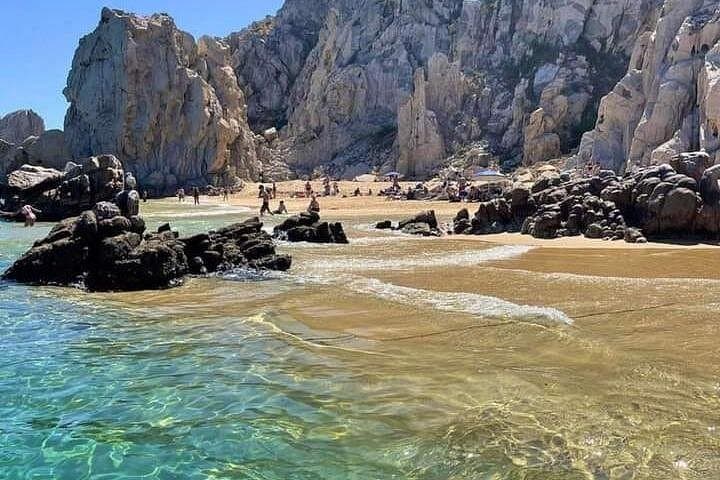
Geology here is direct and readable: the dramatic arches and fingers of rock are the work of waves and time carving weak seams in volcanic and sedimentary formations where the Baja peninsula meets the ocean. Sandfalls, a peculiar local sight, look like waterfalls poured from the rocks but are actually curtains of sand cascading down steep underwater ledges—an optical trick born of current and slope.
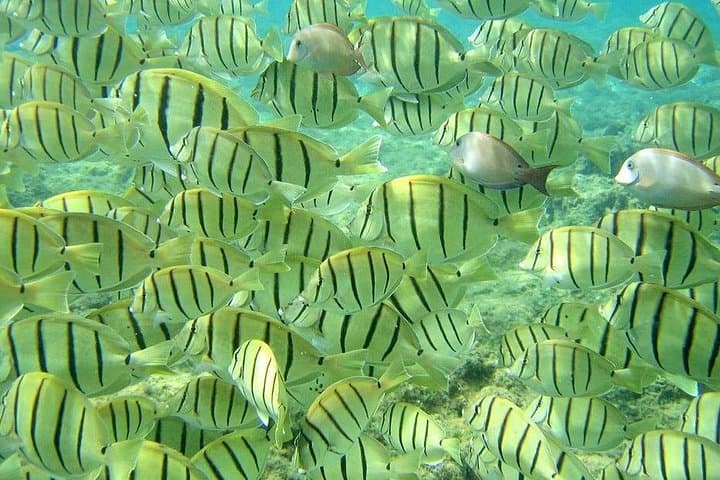
Cabo San Lucas began as a fishing village and has long been defined by its relationship with the sea. Today the area around Pelican Rock sits inside the local marine preserve, where gorgonians and sea fans create vertical gardens that feed small reef fish and attract larger visitors—manta rays and pacific larger fish are more common in summer months.
The operator runs a short, two-hour excursion from Dock 1 in the Marina. Boats are typically 30 feet with shade, a bathroom and a swim ladder for easy entry and exit. The snorkel site is shallow enough for beginners—expect 3–20 feet of visibility depending on swell—with pockets of denser coral and rocky slopes. The route usually loops past iconic landmarks: Lover’s Beach, Neptune Finger, El Arco, and the sea lion colony on the Pacific side, giving time for surface sightseeing after snorkeling.
Practical side: arrive at the Marina early to complete check-in, bring biodegradable reef-safe sunscreen, a waterproof camera, and cash for the marine park fee. If you’re new to snorkeling, choose morning departures when winds are lighter and water clarity is better. Respect the reef—no touching or standing on coral—and listen to crew briefings for currents and buddy procedures.
This tour is family-friendly and accessible—wheelchair-accessible pickup points are noted—but requires basic swimming comfort. Photographers will love close-up macro on the reefs and wide-angle shots of the sandfalls and Arch. For a short slice of Baja’s marine life and geology, Pelican Rock delivers a compact, sensory-rich encounter with the sea that’s both easy to do and hard to forget.
easy.
2 hours.
Basic swimming ability and comfort in open water; suitable for most adults and older children.
The excursion is about 2 hours total, including transit to the snorkel site, snorkeling time, and a short sightseeing loop around Land’s End.
Yes—masks, snorkels, and fins are provided and included in the tour price.
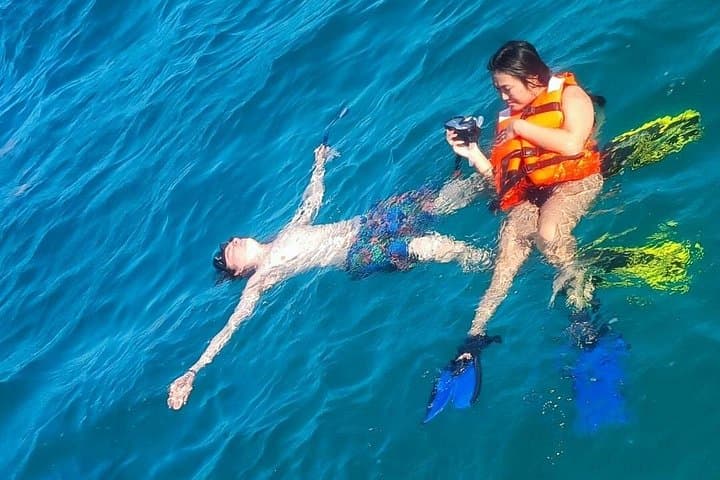
No—this tour is suitable for beginners, but participants should be comfortable in the water and able to float or tread briefly with a life jacket.
Yes, the typical 30-foot boat used for this tour includes a small bathroom for guest use.
Children are welcome but must be accompanied by an adult; infant seats and stroller-friendly access are noted by the operator.
There may be a local marine park fee payable in cash—bring small bills to cover this if required.
Cabo San Lucas grew from a 19th-century fishing community into a major port; Land’s End features rock formations shaped by centuries of wave action and local uplift.
The area is part of a local marine preserve—practice no-touch snorkeling and remove nothing from the water to help protect coral and fish populations.
AQUA ACTIVITIES operates guided outdoor trips and adventures with an emphasis on safety, stewardship, and memorable experiences.

You step off the marina dock into a warm, salt-scented wind and feel the boat respond—gentle, steady—before the city falls away and the water takes over. In twenty minutes the shoreline changes from marina skyline to a cluster of rock faces and bright coral gardens: Pelican Rock appears like an island outpost where sea lions bark and the Pacific and Sea of Cortez trade currents. The crew lowers the ladder, hands you a mask, and the water invites you in.
You step off the marina dock into a warm, salt-scented wind and feel the boat respond—gentle, steady—before the city falls away and the water takes over. In twenty minutes the shoreline changes from marina skyline to a cluster of rock faces and bright coral gardens: Pelican Rock appears like an island outpost where sea lions bark and the Pacific and Sea of Cortez trade currents. The crew lowers the ladder, hands you a mask, and the water invites you in.
Geology here is direct and readable: the dramatic arches and fingers of rock are the work of waves and time carving weak seams in volcanic and sedimentary formations where the Baja peninsula meets the ocean. Sandfalls, a peculiar local sight, look like waterfalls poured from the rocks but are actually curtains of sand cascading down steep underwater ledges—an optical trick born of current and slope.
Cabo San Lucas began as a fishing village and has long been defined by its relationship with the sea. Today the area around Pelican Rock sits inside the local marine preserve, where gorgonians and sea fans create vertical gardens that feed small reef fish and attract larger visitors—manta rays and pacific larger fish are more common in summer months.
The operator runs a short, two-hour excursion from Dock 1 in the Marina. Boats are typically 30 feet with shade, a bathroom and a swim ladder for easy entry and exit. The snorkel site is shallow enough for beginners—expect 3–20 feet of visibility depending on swell—with pockets of denser coral and rocky slopes. The route usually loops past iconic landmarks: Lover’s Beach, Neptune Finger, El Arco, and the sea lion colony on the Pacific side, giving time for surface sightseeing after snorkeling.
Practical side: arrive at the Marina early to complete check-in, bring biodegradable reef-safe sunscreen, a waterproof camera, and cash for the marine park fee. If you’re new to snorkeling, choose morning departures when winds are lighter and water clarity is better. Respect the reef—no touching or standing on coral—and listen to crew briefings for currents and buddy procedures.
This tour is family-friendly and accessible—wheelchair-accessible pickup points are noted—but requires basic swimming comfort. Photographers will love close-up macro on the reefs and wide-angle shots of the sandfalls and Arch. For a short slice of Baja’s marine life and geology, Pelican Rock delivers a compact, sensory-rich encounter with the sea that’s both easy to do and hard to forget.