THE ADVENTURE COLLECTIVE® · Independent discovery and booking for outdoor travel

Paddle the sheltered lagoon at Pelican Point for intimate seal and dolphin encounters against a rugged Namib coastline. This four-hour, small-group outing pairs wildlife viewing with coastal history and practical eco-guided paddling.
Paddle the sheltered lagoon at Pelican Point for intimate seal and dolphin encounters against a rugged Namib coastline. This four-hour, small-group outing pairs wildlife viewing with coastal history and practical eco-guided paddling.
You push off from a quiet lagoon at dawn; the water parts in thin, deliberate ripples and a colony of seals watches with jaunty heads. Pelican Point presents a shoreline that pulls the ocean and desert together—the cold Benguela Current crowds nutrients into the surf, and life follows.
Verified experiences and guided adventures in the surrounding area.
Operated by True Travel Adventures · Walvis Bay, Erongo
You push off from a quiet lagoon at dawn; the water parts in thin, deliberate ripples and a colony of seals watches with jaunty heads. Pelican Point presents a shoreline that pulls the ocean and desert together—the cold Benguela Current crowds nutrients into the surf, and life follows.
The Namib coastline here is shaped by wind and sea. Shipwrecks pocked along the spit recall the region’s hazardous surf and the era of wooden and steel hulls stranded by fog and shifting sand. The Pelican Point lighthouse stands as a practical marker for sailors, and Walvis Bay’s fishing culture has long threaded local livelihoods to these waters.
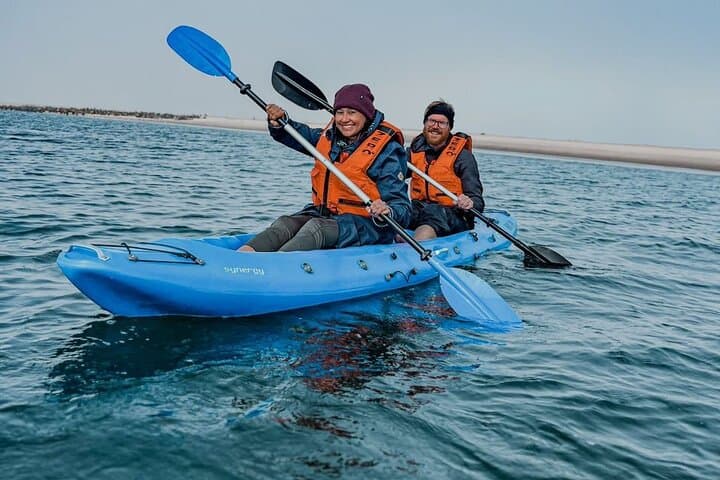
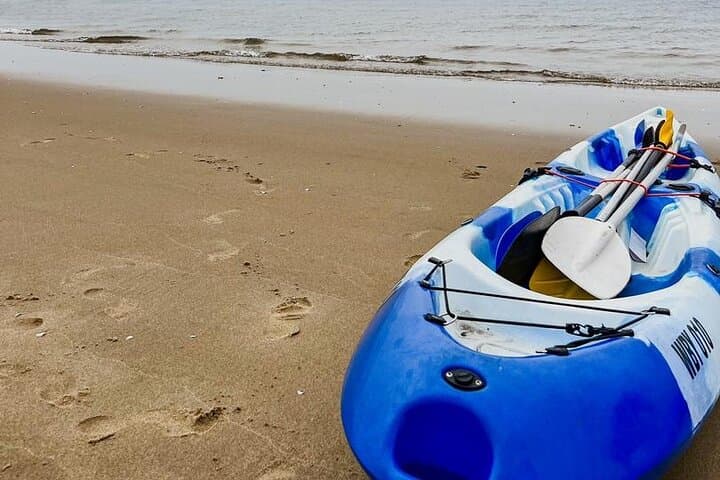
Expect close wildlife encounters: playful Cape fur seals, porpoising dolphins, and a flotilla of shorebirds—flamingos winter the lagoon when salinities suit them. Guides usually offer a short paddling clinic before launching; groups are small (up to eight) to reduce disturbance and keep the experience intimate.
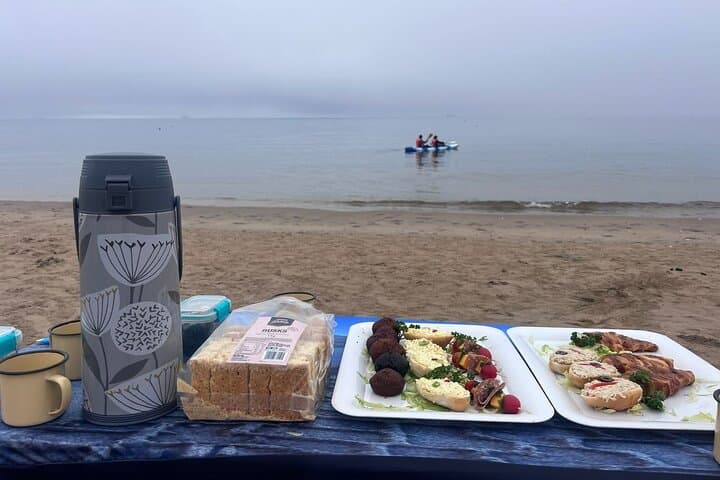
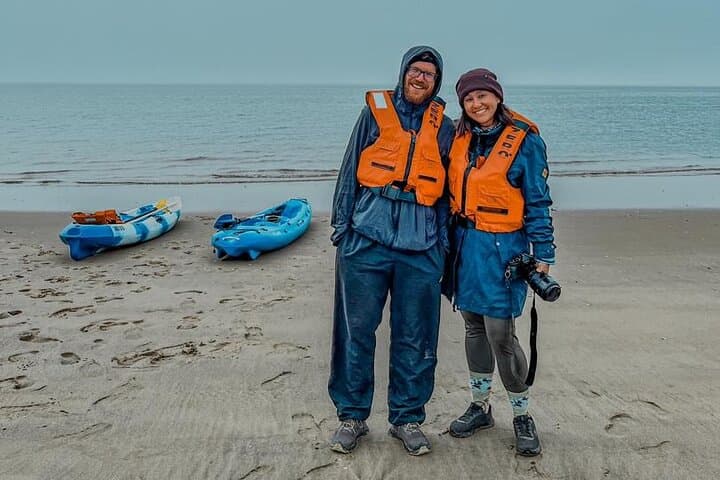
Practical notes: the trip runs about four hours and includes a light lunch and celebratory drinks for those of legal age, so bring ID. Morning launches are calmer; wind can pick up by midday, so layers and a windproof shell matter. Cameras in waterproof housings reward patience—low light, reflective water, and the coastline’s shipwrecks create dramatic compositions. Hydrate, apply reef-safe sunscreen, and listen to guide briefings about keeping distance from haul-out areas. Operators cancel for unsafe weather, and the small-group, low-impact approach keeps this an eco-focused way to see Namibia’s marine life.
easy.
4 hours.
Suitable for most fitness levels; basic paddling stamina for 2–3 hours on the water is helpful.
The excursion lasts about four hours, including a safety briefing, paddle time, and a light lunch.
Guides aim for wildlife encounters—seals and dolphins are common—however sightings can’t be guaranteed since animals are wild.
No—guides provide a paddling lesson and support; basic mobility and willingness to follow instructions are sufficient.
Yes; the trip includes a light lunch and alcoholic beverages (sparkling wine and Namibian beer) for guests 18+, so bring ID.
The Pelican Point spit marks a treacherous stretch of coast long associated with shipwrecks and maritime navigation; the area’s fishing and port history centers on Walvis Bay.
Operators emphasize small groups and low-impact practices; stay on guide routes, avoid disturbing haul-outs, and use reef-safe sunscreen to reduce local impacts.
True Travel Adventures operates guided outdoor trips and adventures with an emphasis on safety, stewardship, and memorable experiences.
You push off from a quiet lagoon at dawn; the water parts in thin, deliberate ripples and a colony of seals watches with jaunty heads. Pelican Point presents a shoreline that pulls the ocean and desert together—the cold Benguela Current crowds nutrients into the surf, and life follows.
You push off from a quiet lagoon at dawn; the water parts in thin, deliberate ripples and a colony of seals watches with jaunty heads. Pelican Point presents a shoreline that pulls the ocean and desert together—the cold Benguela Current crowds nutrients into the surf, and life follows.
The Namib coastline here is shaped by wind and sea. Shipwrecks pocked along the spit recall the region’s hazardous surf and the era of wooden and steel hulls stranded by fog and shifting sand. The Pelican Point lighthouse stands as a practical marker for sailors, and Walvis Bay’s fishing culture has long threaded local livelihoods to these waters.
Expect close wildlife encounters: playful Cape fur seals, porpoising dolphins, and a flotilla of shorebirds—flamingos winter the lagoon when salinities suit them. Guides usually offer a short paddling clinic before launching; groups are small (up to eight) to reduce disturbance and keep the experience intimate.
Practical notes: the trip runs about four hours and includes a light lunch and celebratory drinks for those of legal age, so bring ID. Morning launches are calmer; wind can pick up by midday, so layers and a windproof shell matter. Cameras in waterproof housings reward patience—low light, reflective water, and the coastline’s shipwrecks create dramatic compositions. Hydrate, apply reef-safe sunscreen, and listen to guide briefings about keeping distance from haul-out areas. Operators cancel for unsafe weather, and the small-group, low-impact approach keeps this an eco-focused way to see Namibia’s marine life.