THE ADVENTURE COLLECTIVE® · Independent discovery and booking for outdoor travel

Walk a 12 km coastal spit from Walvis Bay to Pelican Point, passing pink salt pans, a shipwreck and seal colonies. This guided shore hike blends ocean geology, rich birdlife and seaside picnic stops—perfect for cruise visitors seeking an accessible wildlife experience.
Walk a 12 km coastal spit from Walvis Bay to Pelican Point, passing pink salt pans, a shipwreck and seal colonies. This guided shore hike blends ocean geology, rich birdlife and seaside picnic stops—perfect for cruise visitors seeking an accessible wildlife experience.
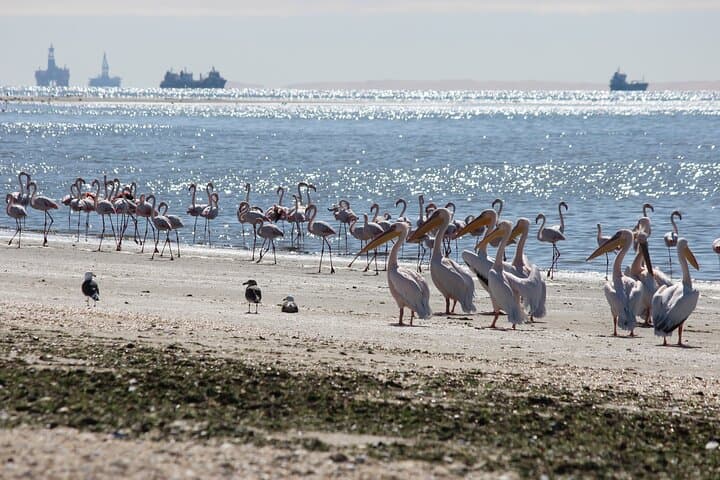
The wind off the Atlantic cuts sharp and cold as you step from the sand track onto the wide, isolated beach at Pelican Point. Gulls wheel and a lighthouse silhouette marks the spit; ahead, a low, broken hull and the chatter of a distant seal colony shape the walk’s rhythm. The guide sets a steady pace—photo stops at the pink salt pans, a slow approach toward hauled-out seals, and finally a picnic with ocean spray as company.
Verified experiences and guided adventures in the surrounding area.
Operated by Kelly's Wild Adventures and Tours · Walvis Bay, Erongo
The wind off the Atlantic cuts sharp and cold as you step from the sand track onto the wide, isolated beach at Pelican Point. Gulls wheel and a lighthouse silhouette marks the spit; ahead, a low, broken hull and the chatter of a distant seal colony shape the walk’s rhythm. The guide sets a steady pace—photo stops at the pink salt pans, a slow approach toward hauled-out seals, and finally a picnic with ocean spray as company.
This strand is part of the Namibian coastline carved by dune migration and tidal action; Pelican Point itself is a shifting sand spit that channels the nutrient-rich Benguela Current, which fuels abundant birdlife and the seal populations. The area developed around sealing and later port activity at Walvis Bay, and today fishing and ecotourism share the shoreline.
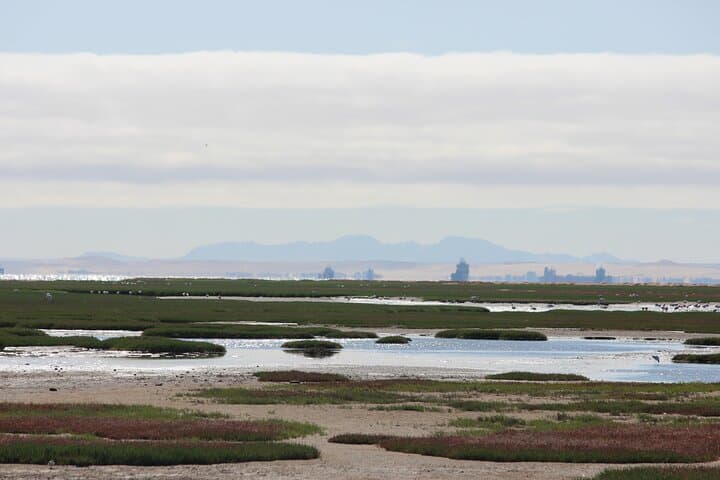
Culturally, local guides often point out the salt pans’ seasonal pink hue from halophilic algae and the seabirds that follow shrimp runs. Geologically the beach alternates hard-packed tidal flats and soft dune sand; expect occasional wet patches where waves lap inward.
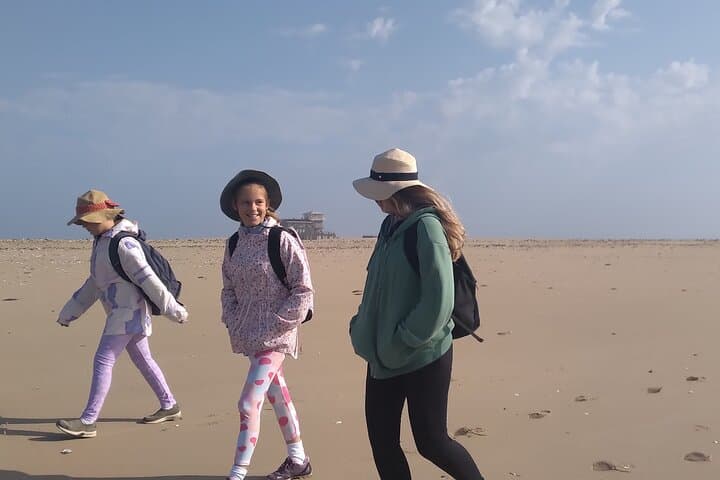
Practical guidance: this is a guided, roughly 12 km beach hike taking about four hours on mixed sand and compacted flats. Wear water shoes for sections that get wet, layer for wind, and bring a camera and binoculars. Hydrate before the walk—the operator provides bottled water and snacks plus a picnic at Pelican Point. Timing around low tide eases passage and improves wildlife viewing. Respect wildlife viewing distances at the seal colonies and follow your guide’s safety brief.
moderate.
4–4.5 hours.
Moderate fitness needed—able to walk 12 km on sand with brief stops; stair-free but uneven footing.
The guided route covers about 12 km along the beach and nearby flats and lasts roughly 4 to 4.5 hours including stops.
Yes—this activity is popular with cruise arrivals; transfers are provided and pickup from the port can be arranged in advance.
There are a few shallow sections where waves or tidal pools can wet feet; water shoes are recommended to stay comfortable.
Children aged 10 and up can join accompanied by adults, but participants should meet a moderate fitness level and follow safety guidance.
Pelican Point grew as a navigational marker and service area for Walvis Bay; the spit’s role shifted from sealing and salt production to support for fisheries and tourism.
The area’s wildlife is vulnerable to disturbance—stay on marked routes, keep distance from seals, and follow guide instructions to reduce stress on breeding colonies.
Kelly's Wild Adventures and Tours operates guided outdoor trips and adventures with an emphasis on safety, stewardship, and memorable experiences.
The wind off the Atlantic cuts sharp and cold as you step from the sand track onto the wide, isolated beach at Pelican Point. Gulls wheel and a lighthouse silhouette marks the spit; ahead, a low, broken hull and the chatter of a distant seal colony shape the walk’s rhythm. The guide sets a steady pace—photo stops at the pink salt pans, a slow approach toward hauled-out seals, and finally a picnic with ocean spray as company.
The wind off the Atlantic cuts sharp and cold as you step from the sand track onto the wide, isolated beach at Pelican Point. Gulls wheel and a lighthouse silhouette marks the spit; ahead, a low, broken hull and the chatter of a distant seal colony shape the walk’s rhythm. The guide sets a steady pace—photo stops at the pink salt pans, a slow approach toward hauled-out seals, and finally a picnic with ocean spray as company.
This strand is part of the Namibian coastline carved by dune migration and tidal action; Pelican Point itself is a shifting sand spit that channels the nutrient-rich Benguela Current, which fuels abundant birdlife and the seal populations. The area developed around sealing and later port activity at Walvis Bay, and today fishing and ecotourism share the shoreline.
Culturally, local guides often point out the salt pans’ seasonal pink hue from halophilic algae and the seabirds that follow shrimp runs. Geologically the beach alternates hard-packed tidal flats and soft dune sand; expect occasional wet patches where waves lap inward.
Practical guidance: this is a guided, roughly 12 km beach hike taking about four hours on mixed sand and compacted flats. Wear water shoes for sections that get wet, layer for wind, and bring a camera and binoculars. Hydrate before the walk—the operator provides bottled water and snacks plus a picnic at Pelican Point. Timing around low tide eases passage and improves wildlife viewing. Respect wildlife viewing distances at the seal colonies and follow your guide’s safety brief.