THE ADVENTURE COLLECTIVE® · Independent discovery and booking for outdoor travel

Walk where Pelé moved in New York: from the Plaza’s gold statue to the site of Studio 54, this 90‑minute guided stroll pieces together how a global icon changed American soccer. Ideal for fans and history-minded visitors.
Walk where Pelé moved in New York: from the Plaza’s gold statue to the site of Studio 54, this 90‑minute guided stroll pieces together how a global icon changed American soccer. Ideal for fans and history-minded visitors.
You meet at the gilded Sherman statue on 59th and Fifth, city noise bending around the bronze as if the avenue itself remembers the crowds that once cheered in Pelé's honor. From the Plaza’s stone steps the tour slips into Midtown—broad sidewalks, neoned storefronts, and the pulse of the city that watched a Brazilian star reframe American sport.
Verified experiences and guided adventures in the surrounding area.
Operated by Ann McDermott · New York, NY
You meet at the gilded Sherman statue on 59th and Fifth, city noise bending around the bronze as if the avenue itself remembers the crowds that once cheered in Pelé's honor. From the Plaza’s stone steps the tour slips into Midtown—broad sidewalks, neoned storefronts, and the pulse of the city that watched a Brazilian star reframe American sport.
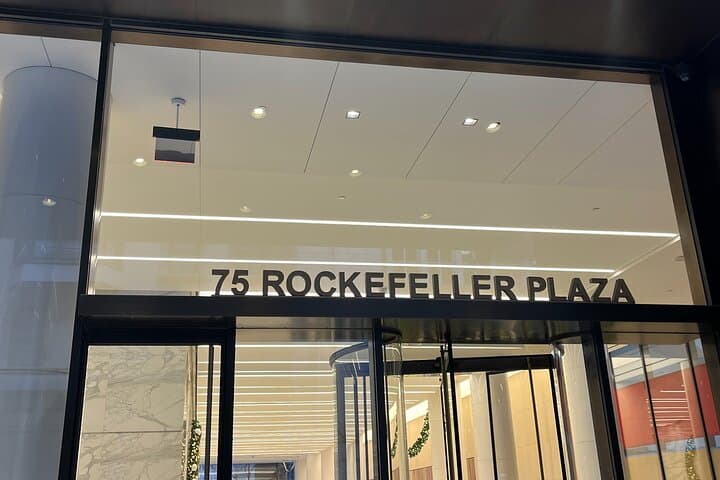
The walk traces Pelé’s New York connections: stops near offices and hotels where managers negotiated deals, Rockefeller Center where press and publicity pushed soccer into prime time, and the former Studio 54 site where the player and his circle mixed sport with nightlife. Geologically, Midtown sits atop Manhattan schist—hard bedrock that enabled the city’s vertical ambitions and the towers that framed Pelé’s public appearances. Culturally, the 1970s were a crossroads: a struggling domestic league, a global icon, and a media machine hungry for spectacle. Guides put those headlines into human terms—agents, teammates, and local promoters who bet the city would watch.
Expect a largely flat, 1–1.5 mile urban stroll with stops for storytelling and photos rather than formal museum exhibits. The guide’s anecdotes bring players, promoters, and club lore into focus; they’ll also flag where Pelé’s presence shifted American soccer’s visibility. Practical notes: wear comfortable shoes, bring a small bottle of water, and plan for Midtown crowds. Public transit gets you there quickly—subways and buses stop within a few blocks. The route is wheelchair accessible and suitable for families and sports fans looking for history, context, and a brisk, city-centered walk through a pivotal chapter of soccer in the U.S.
easy.
1.5 hours.
Suitable for most fitness levels; expect steady, flat walking with short pauses.
Yes—the meeting point and walking route are wheelchair accessible; guides note accessible surfaces and avoid stairs where possible.
About 1–1.5 miles total over 90 minutes on mostly flat pavement with regular stops for commentary.
Yes—families are welcome; infants can ride in strollers and the pace is moderate with frequent stops.
Standard tours are in English; check with the operator for private or alternative language options.
Pelé’s 1975 arrival with the New York Cosmos helped raise soccer’s profile in the U.S., drawing media attention and larger crowds to a fledgling professional scene.
Urban tours have small footprints—favor public transit, carry out any litter, and support neighborhood businesses to keep cultural tourism sustainable.
Ann McDermott operates guided outdoor trips and adventures with an emphasis on safety, stewardship, and memorable experiences.


You meet at the gilded Sherman statue on 59th and Fifth, city noise bending around the bronze as if the avenue itself remembers the crowds that once cheered in Pelé's honor. From the Plaza’s stone steps the tour slips into Midtown—broad sidewalks, neoned storefronts, and the pulse of the city that watched a Brazilian star reframe American sport.
You meet at the gilded Sherman statue on 59th and Fifth, city noise bending around the bronze as if the avenue itself remembers the crowds that once cheered in Pelé's honor. From the Plaza’s stone steps the tour slips into Midtown—broad sidewalks, neoned storefronts, and the pulse of the city that watched a Brazilian star reframe American sport.
The walk traces Pelé’s New York connections: stops near offices and hotels where managers negotiated deals, Rockefeller Center where press and publicity pushed soccer into prime time, and the former Studio 54 site where the player and his circle mixed sport with nightlife. Geologically, Midtown sits atop Manhattan schist—hard bedrock that enabled the city’s vertical ambitions and the towers that framed Pelé’s public appearances. Culturally, the 1970s were a crossroads: a struggling domestic league, a global icon, and a media machine hungry for spectacle. Guides put those headlines into human terms—agents, teammates, and local promoters who bet the city would watch.
Expect a largely flat, 1–1.5 mile urban stroll with stops for storytelling and photos rather than formal museum exhibits. The guide’s anecdotes bring players, promoters, and club lore into focus; they’ll also flag where Pelé’s presence shifted American soccer’s visibility. Practical notes: wear comfortable shoes, bring a small bottle of water, and plan for Midtown crowds. Public transit gets you there quickly—subways and buses stop within a few blocks. The route is wheelchair accessible and suitable for families and sports fans looking for history, context, and a brisk, city-centered walk through a pivotal chapter of soccer in the U.S.